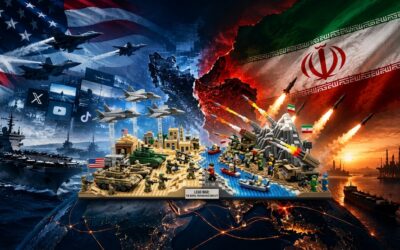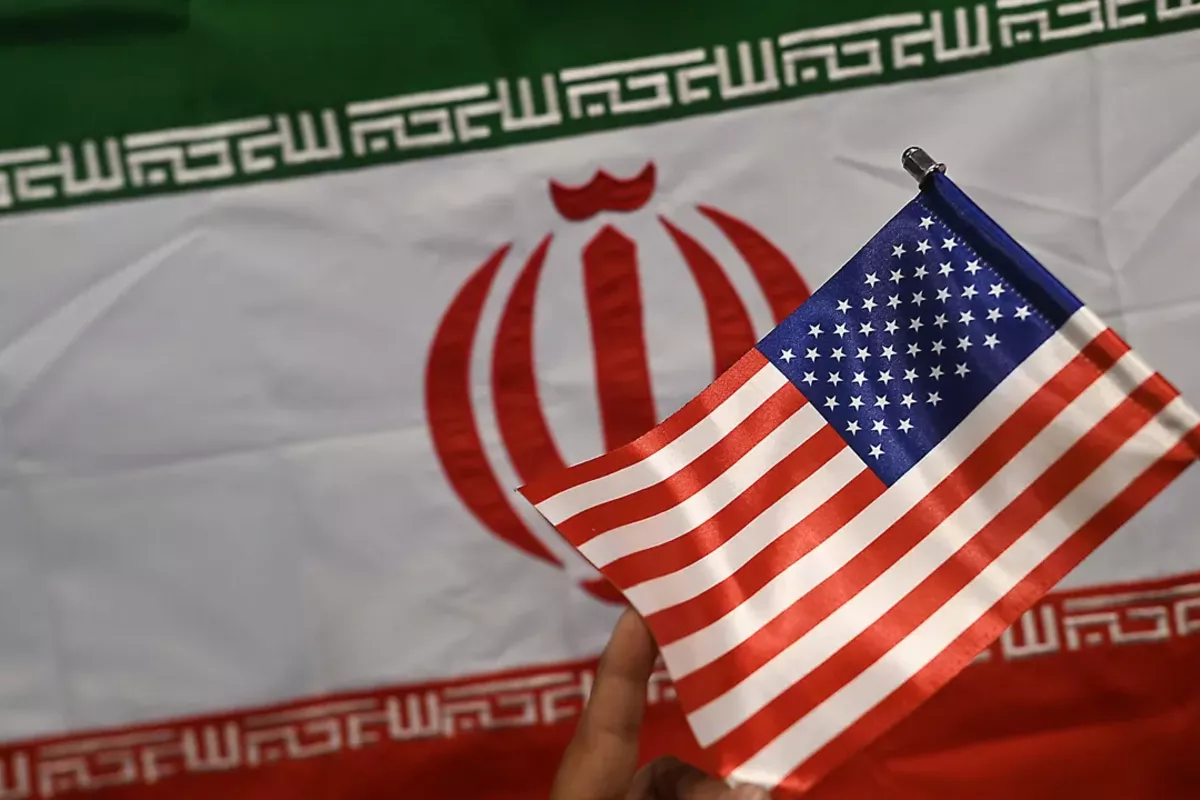




The specter of renewed conflict looms large as the United States and Iran engage in a heated exchange of warnings, while diplomatic efforts to de-escalate tensions appear to be faltering. President Donald Trump has issued a stark ultimatum to Tehran, asserting that they have a limited window to strike a deal with the US, while also hinting at the possibility of further military action.
#Iran continues to assert its redlines, unwavering in the face of the #US and Trump’s threats, which #Tehran vowed will be met with severe responses. https://t.co/ULs32q1rap
— Al Mayadeen English (@MayadeenEnglish) May 18, 2026
Trump, speaking at a White House event, claimed that Iran is “begging” for a deal but warned that “we may have to give them another big hit” if negotiations fail. He emphasized the urgency of preventing Iran from acquiring nuclear weapons, setting a deadline of “two or three days, maybe Friday, Saturday, Sunday, something maybe early next week.”
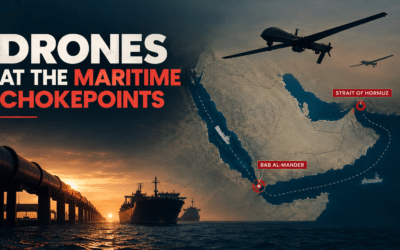
The US leader also dismissed domestic criticism of his Iran policy, asserting that military action against Tehran would be “very popular.” He further accused Iran of weaponizing the Strait of Hormuz, a vital international waterway.
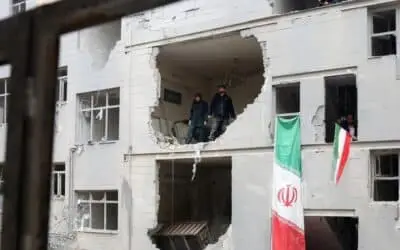
In response to Trump’s threats, the Iranian army issued a stern warning, vowing to “open new fronts” against the US and its allies if attacked. Iranian military officials cautioned against any “strategic mistake” by the US, threatening a “swift, decisive, powerful and extensive response” to any renewed aggression.
Amidst the escalating rhetoric, Iranian Deputy Foreign Minister Kazem Gharibabadi revealed details of Iran’s recent proposal to the US, which included the lifting of sanctions, the release of Iranian frozen funds, an end to the marine blockade, and the withdrawal of US forces from the region.
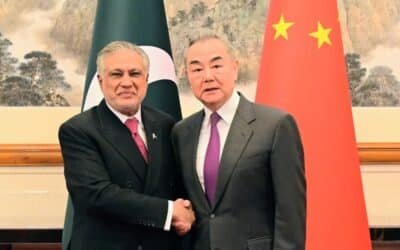
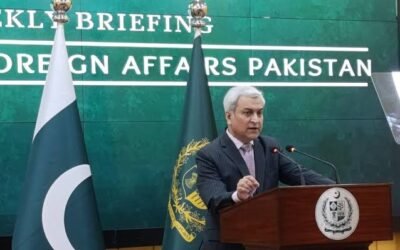
Meanwhile, Qatar has expressed support for Pakistan’s mediation efforts but acknowledged that “more time” is needed to reach a comprehensive agreement. The UAE Ministry of Defence reported intercepting six drones launched from Iraqi territory, claiming they were targeting civilian and vital areas in the country.
Critical Analysis
The current situation is fraught with danger. Trump’s bellicose rhetoric and ultimatum-style approach may be intended to pressure Iran into concessions, but it also risks further escalating tensions and potentially triggering a military confrontation.
Iran’s response, while defiant, also suggests a willingness to negotiate, albeit on its own terms. The Iranian proposal outlined by Gharibabadi could serve as a basis for further discussions, but significant differences remain between the two sides.
The involvement of regional actors such as Qatar and Pakistan highlights the broader implications of the US-Iran conflict. A failure to de-escalate tensions could have destabilizing effects on the entire region.
Key Takeaways
- The US and Iran are engaged in a high-stakes game of brinkmanship.
- Trump’s threats of military action risk escalating tensions.
- Iran has outlined a proposal for de-escalation, but significant differences remain.
- Regional actors are attempting to mediate a solution.
- The situation remains volatile and could easily spiral out of control.