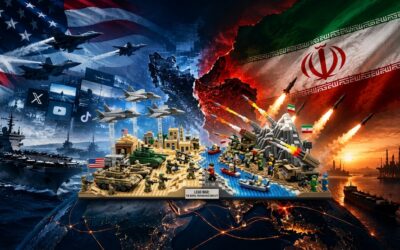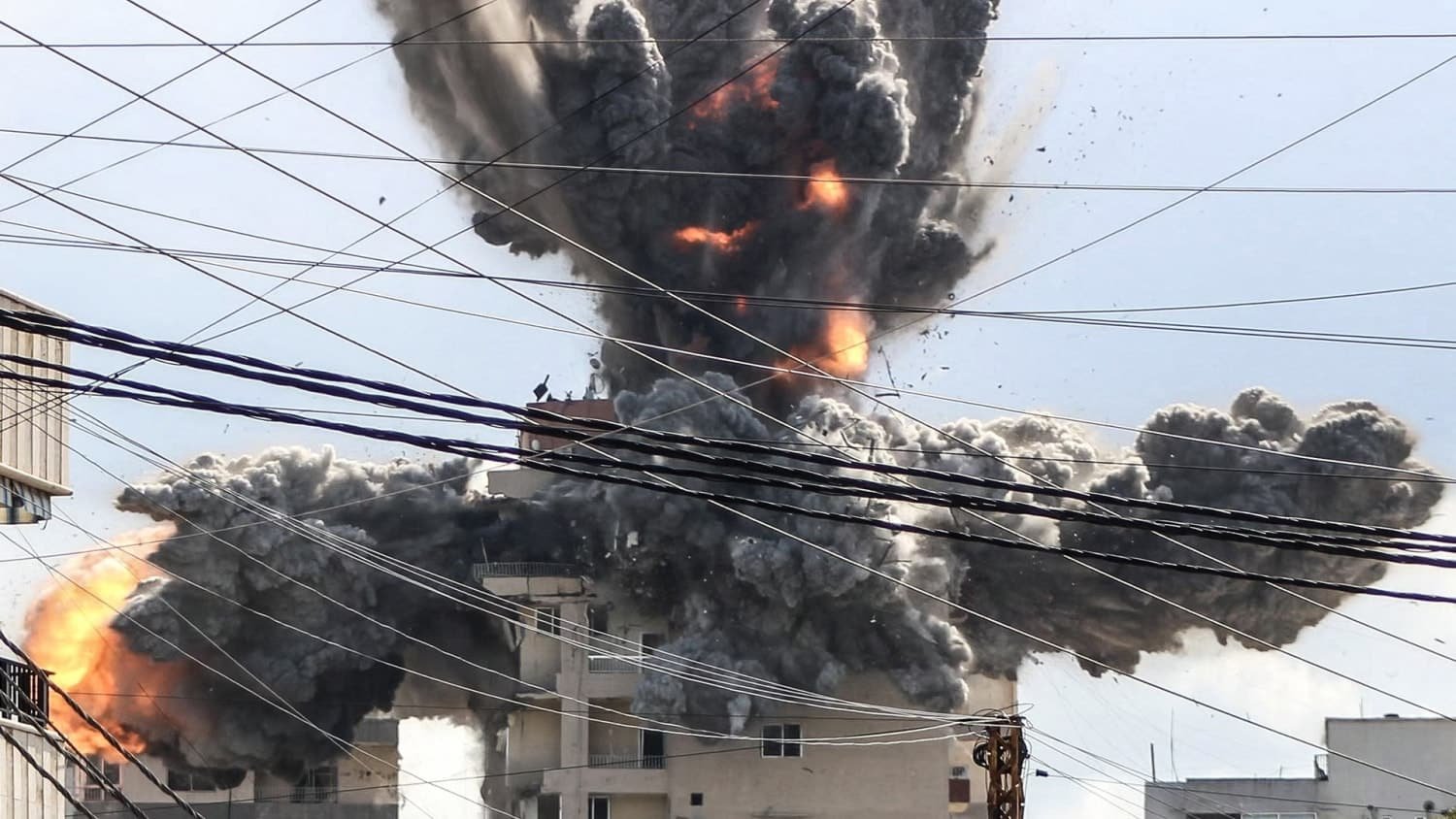





The three-month-old conflict between the United States and Iran has escalated to a precarious new flashpoint. Following a weekend of direct U.S. airstrikes on mainland Iranian military installations, the Islamic Revolutionary Guard Corps (IRGC) launched a retaliatory missile and drone barrage early Monday, targeting a major U.S.-utilized air base and triggering air defense systems across Kuwait.
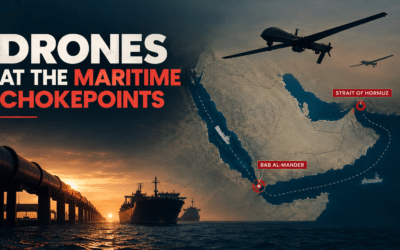
The renewed combat operations represent the most severe breach of the fragile April 8 ceasefire to date, complicating backchannel negotiations and sending shockwaves through global energy markets still reeling from the continued closure of the Strait of Hormuz.
President Donald Trump says US ‘shouldn’t have been in Iran,’ repeats claim Tehran would have acquired nuclear arms without June 2025 strikes
• ‘If we didn’t hit them with the B-2 bombers nine months ago, they would have a nuclear weapon right now’
• ’We’ve actually… pic.twitter.com/x7rFIS6VI8
— Anadolu English (@anadoluagency) May 31, 2026
1. The Weekend Escalation: Strike and Counter-Strike
The latest cycle of violence began over the weekend when U.S. Central Command (CENTCOM) ordered kinetic strikes against targets on Iran’s Gulf coast, specifically radar and drone command facilities in Goruk and on Qeshm Island.
-
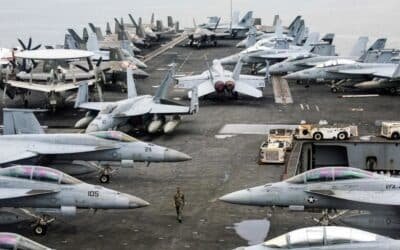
The U.S. Justification: CENTCOM confirmed the precision strikes were executed in direct response to the “unwarranted shooting down” of a U.S. MQ-1 surveillance drone operating over international waters. U.S. fighter aircraft successfully neutralized Iranian air defenses, a ground control station, and two one-way attack drones.
-
The Iranian Retaliation: By Monday morning, the IRGC announced it had targeted an air base used by American forces. State media agency KUNA confirmed that air raid sirens sounded across Kuwait as national air defenses actively engaged and intercepted incoming missiles and drones. The Kuwaiti Foreign Ministry subsequently issued a sharp rebuke, stating it holds “Iran fully responsible for these heinous attacks.”
2. Political Friction in the White House
Shortly after CENTCOM’s announcement, U.S. President Donald Trump took to Truth Social to project confidence in a diplomatic resolution while lambasting domestic political critics.
“Iran really wants to make a deal, and it will be a good one for the USA and those that are with us,” Trump posted, adding that public scrutiny was actively hindering his bargaining leverage. “[It] is MUCH tougher for me to properly do my job and negotiate, when political hacks keep negatively ‘chirping’… Just sit back and relax, it will all work out well in the end — It always does!”
Trump faces a razor-thin balancing act: he must lower global energy prices and domestic gasoline costs ahead of the critical November congressional midterm elections, yet he remains constrained by an aggressive wing of his own party that opposes any sanctions relief or financial concessions to Tehran.
Critical Analysis
The current “tit-for-tat” paradigm exposes the fundamental structural weakness of the April 8 truce. By attempting to separate ongoing diplomatic negotiations from regional gray-zone friction, both Washington and Tehran have created an unsustainable security environment.
The Strategic Paradox
The Trump administration is operating under a flawed assumption: that it can leverage limited military strikes to compel Iranian concessions without completely collapsing the peace process. This weekend’s expansion of targets to mainland Iranian territory (Goruk and Qeshm Island) demonstrates a dangerous normalization of escalatory behavior.
Tehran’s response—striking into Kuwait—signals that it will no longer absorb localized tactical losses without imposing an asymmetric cost on U.S. forward operating bases and regional allies. By widening the geographic scope of its retaliatory strikes, Iran is demonstrating its capacity to expand the conflict zone at will, testing the defense depth of Gulf partner nations.
The Broader Geopolitical Bottleneck
Furthermore, the diplomatic track is deadlocked by two immovable realities:
-
The Financial Standoff: Iran’s core demands—the lifting of crippling economic sanctions and the immediate release of tens of billions of dollars in frozen oil revenues—remain a political impossibility for Trump ahead of the midterms.
-
The Lebanese Front: Israel’s parallel war with Hezbollah complicates a unilateral U.S.-Iran settlement. Prime Minister Benjamin Netanyahu’s recent directive to push IDF troops deeper into southern Lebanon effectively sabotages Secretary of State Marco Rubio’s “gradual de-escalation” initiatives, as Iran is ideologically and strategically incapable of abandoning its primary regional proxy while under direct military pressure.
The Takeaway: There is no structural path to a durable peace as long as the Strait of Hormuz remains blocked and gasoline prices act as a domestic political variable in Washington. Without an immediate compromise on frozen assets or a comprehensive maritime security agreement, this “ceasefire in name only” will inevitably deteriorate into a broader, uncontainable regional war.