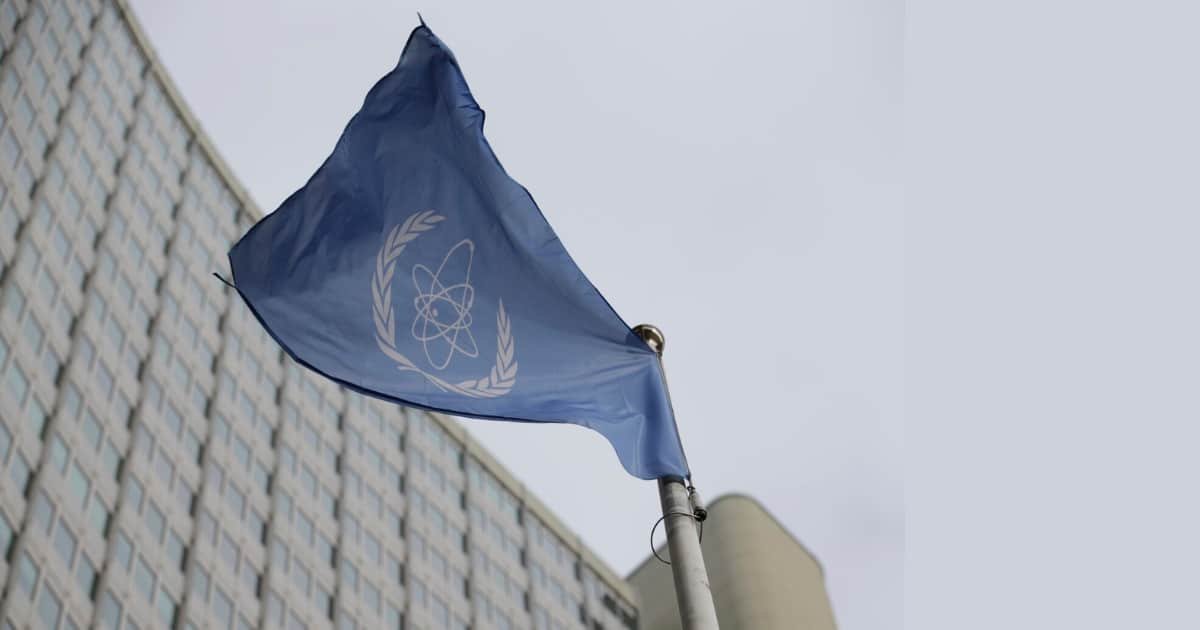




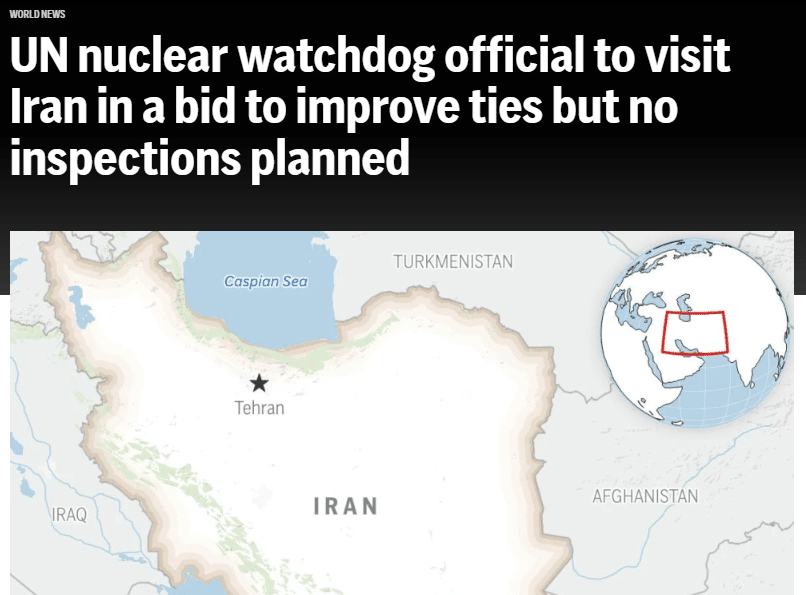
Iran has taken a firm and deliberate stance ahead of a high-level visit from the International Atomic Energy Agency (IAEA) by granting talks—but explicitly refusing any inspections. This marks a significant departure from prior patterns, signaling a shift toward greater political control over nuclear oversight.
The deputy head of the UN’s nuclear watchdogis scheduled to visit Tehran this week—marking the first IAEA official visit since the June war with Israel. Dramatically, Foreign Minister Abbas Araghchi confirmed that talks will take place, but “no inspections” are planned.
This is rooted in a sweeping legislative shift: on July 3, President Masoud Pezeshkian enacted a law suspending Iran’s cooperation with the IAEA until a new framework is put in place—one mandating approval from the Supreme National Security Council for any future inspections.
Legacy of Suspicion: Why Iran Is Pulling Back
Iran’s justification is twofold:
- Trust Deficit: Tehran accuses the IAEA of bias, saying its May 31 report—and subsequent Board of Governors resolution declaring Iran in breach—paved the way for U.S. and Israeli airstrikes on its nuclear infrastructure.
- Domestic Messaging: By couching this resistance in terms of national sovereignty, Iran reinforces a powerful narrative: cooperation will return only when the international community respects its rights and security.
Several analysts argue this move is part of a broader pattern—Iran using inspections as a pressure point in negotiations with Western powers.
You May Like To Read: Wana Bomb Blast: Two Killed, Ten Injured, Underscoring a Persistent Threat
Broader Context and Critical Analysis
Erosion of the NPT’s Protective Value
The Non-Proliferation Treaty (NPT), which Iran has repeatedly affirmed, is increasingly seen by Tehran not as protection but as a political constraint—especially after it did not prevent military strikes on its facilities. The NPT’s promise of security guarantee appears hollow to many in Iran, deepening disillusion.
Legislative Leverage as Diplomacy
By integrating the Supreme National Security Council into inspection approvals, Iran has institutionalized oversight control. Coupled with a prior parliamentary bill suspending all cooperation, this constrains the IAEA’s technical freedom and reframes nuclear dialogue as a political negotiation.
Regional Proliferation Risks
Iran is estimated to now hold enough uranium enriched to 60% purity—technically just one step away from weapons-grade levels. With oversight reduced, regional rivals like Saudi Arabia and the UAE grow more anxious, raising the specter of a regional arms race.
Source: AP
Diminished Prospects for Diplomacy
Negotiations with the U.S. or Europeans are unlikely to resume soon. Iran has laid out preconditions: a UN Security Council condemnation of earlier strikes, full sanctions relief, IAEA reforms, and guarantees against future military attacks—demands unlikely to be met.
Looking Ahead: Paths and Pitfalls
Political Fragmentation or Diplomatic Reset?
If the IAEA official visit results merely in further standoff, Iran risks isolating itself internationally. Yet Tehran likely believes holding firm consolidates its leverage—so long as sanctions remain unenforced or partial.
You May Like To Read:
- Pakistan’s Trade Deficit Widens to $26.3 Billion in FY25 Amid Import Surge
- ECNEC Approves Rs1.5 Trillion to Boost Pakistan’s Economic Growth
- Human Capital Development and Skills Gap in Pakistan
Snapback Sanctions Looming
The snapback mechanism under UNSC Resolution 2231 is approaching its deadline in October 2025. If activated, it could automatically reinstate UN sanctions—dramatically affecting Iran’s energy exports and economic recovery.
The Nuclear Option as a Deterrent
Growing mistrust of diplomatic institutions may push Iran into a more assertive posture—possibly accelerating enrichment activities. While Iran’s Supreme Leader has issued a fatwa prohibiting nuclear weapons, internal voices warn that such prohibitions could shift under “cornered” conditions.
Regional Fallout
An unchecked Iranian nuclear program heightens the risk of proliferation across the Gulf. Rival states may feel compelled to develop parallel capabilities, unraveling decades of non-proliferation norms.
Conclusion
Iran’s refusal to allow inspections—even during scheduled talks—signals a new and more rigid phase in its nuclear diplomacy. Framing cooperation as conditional, controlled, and strategic, Tehran is asserting political sovereignty over technical oversight. But in doing so, it risks damaging the international architecture that limits proliferation and encourages accountability.
Realistically, a breakthrough could only come through high-stakes compromise: fresh sanctions on the table, explicitly crafted guarantees, and one-sided diplomatic flexibility—elements Iran has already begun to demand. Without them, the impasse may harden—not just between Iran and the West, but across the entire Middle East.