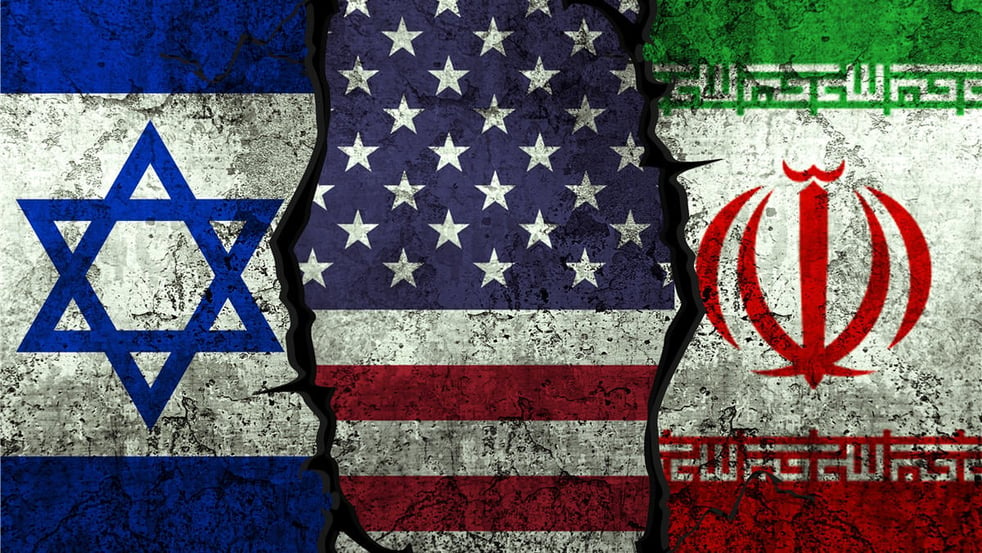





Marked diplomatic divergence between Tehran and Washington has highlighted severe strategic friction surrounding maritime navigation through the Strait of Hormuz and broader regional stability. While US President Donald Trump publicly claimed that new bilateral negotiations were set to begin to end the six-month conflict and achieve full denuclearization, Iranian officials flatly denied direct engagement with Washington, clarifying that diplomatic momentum is strictly confined to transit talks with the Sultanate of Oman.
The impasse comes as energy markets digest the temporary suspension of planned US military strikes against Iranian infrastructure, creating immediate downward pressure on global crude benchmarks while underlying security risks in the Gulf remain acute.
US President Donald Trump says new talks with Iran will begin on Monday “in the form of a negotiation” after calling off what he said would have been the biggest attack since World War Two. pic.twitter.com/Y3eL0dXdNn
— Al Jazeera English (@AJEnglish) August 3, 2026
Diplomatic Misalignment: Direct Parleys vs. Bilateral Transit Channels
The sharp contrast between statements from Washington and Tehran underscores the fragile state of regional mediation and backchannel communications:
-
Washington’s Stance: Speaking aboard Air Force One, President Donald Trump stated that negotiations were set to commence to establish the parameters of a comprehensive deal ending hostilities and reopening the Strait of Hormuz. Trump asserted that he halted heavy kinetic strikes—which he claimed would have been “the biggest attack since World War II”—following requests from Tehran as well as regional security partners including Saudi Arabia, the United Arab Emirates, and Qatar.
-
Tehran’s Refusal: Iranian Foreign Ministry Spokesperson Esmaeil Baqaei refuted Washington’s claims during a televised press briefing, explicitly stating that Iran is not holding negotiations with the United States. Iranian state media further denied initiating any requests for the US to delay military strikes.
US President Donald Trump says new talks with Iran will begin on Monday “in the form of a negotiation” after calling off what he said would have been the biggest attack since World War Two. pic.twitter.com/Y3eL0dXdNn
— Al Jazeera English (@AJEnglish) August 3, 2026
-
Framework Reactivation: Hassan Ghashghavi, spokesman for the Iranian parliament’s national security commission, noted that third-party mediators are working to reactivate the US-Iran memorandum of understanding reached in June as a stepping stone toward broader discussions. Posting on social platform X, Iranian President Masoud Pezeshkian emphasized that international efforts must focus on compelling all parties to honor existing signed commitments.
The Oman Transit Protocol: Redefining Hormuz Chokepoints
Rather than agreeing to a complete reopening of the waterway under pre-war conditions, Iran’s primary diplomatic track remains focused on negotiating a restricted navigation protocol with Oman:
-
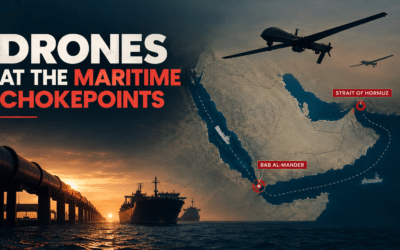
Bilateral Corridor: Spokesperson Baqaei confirmed that technical and political consultations between Tehran and Muscat are aimed at establishing a temporary safe passage route through the strategic waterway. The proposed route avoids both northern Iranian coastal lanes and southern Omani lanes, establishing a unified dual-lane entry and exit channel that respects the sovereign rights of both littoral states.
-
Conditional Reopening: Iranian leadership emphasized that finalizing an arrangement with Oman will not automatically reopen the Strait of Hormuz to unrestricted commercial shipping. Tehran maintains that broader maritime normalization remains contingent on an absolute end to US military operations.
-
Impact on Supply Chains: Prior to the escalation, the Strait of Hormuz handled approximately 20 percent of the world’s daily petroleum and liquefied natural gas (LNG) shipments under standard Traffic Separation Schemes. Intelligence from maritime analytics platform Kpler confirms that commercial traffic through the strait has dropped sharply due to ongoing hostilities, toll impositions, and naval enforcement.
Energy Market Dynamics: Crude Futures and Maritime Risks
The strategic pause in military strikes and expectations of diplomatic engagement triggered immediate shifts across global energy markets:
-
Crude Price Pullback: Oil prices experienced sharp downward adjustments during Asian trading. West Texas Intermediate (WTI) crude fell between 4.7 and nearly 6 percent to trade around $79.60–$80.72 per barrel. International benchmark Brent crude declined over 5 percent to fall back toward $83.40 per barrel.
-
Contextual Price Volatility: The market correction follows a 20 to 25 percent surge in crude benchmarks during July, driven by renewed kinetic strikes and military threats against commercial tankers near the Gulf of Oman and Bab el-Mandeb Strait.
-
Persisting Tactical Hazards: Despite short-term financial market relief, physical threats to commercial maritime assets remain elevated. The United Kingdom Maritime Trade Operations (UKMTO) reported recent explosive detonations near commercial vessels off the coast of Oman, highlighting the ongoing operational vulnerabilities facing global supply lines traversing the region.