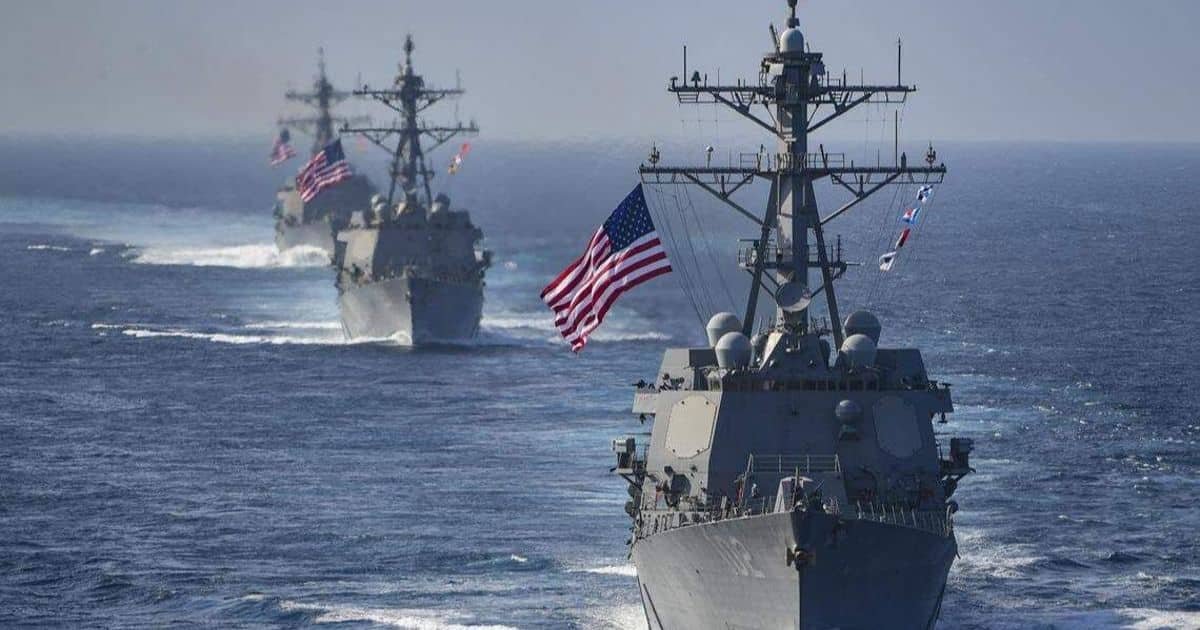





WASHINGTON, D.C. – The United States is significantly increasing its military presence in the southern Caribbean, deploying several naval warships and over 2,000 marines as part of an intensified campaign against Latin American drug cartels. These actions come amid heightened tensions with the Venezuelan government and a new, more aggressive US policy aimed at disrupting transnational criminal organizations.
A New Front in the War on Drugs
The deployment, which includes the guided missile cruiser USS Erie and the nuclear-powered fast attack submarine USS Newport News, is the latest move in the Trump administration’s commitment to combat the flow of illegal narcotics into the United States. Following an executive order that designated eight major cartels as “foreign terrorist organizations,” President Donald Trump signed a secret directive authorizing the use of military force against these groups.
A White House statement clarified the administration’s stance, citing a “campaign of violence and terror” by cartels that has destabilized the Western Hemisphere and “flooded the United States with deadly drugs, violent criminals, and vicious gangs.” White House Press Secretary Karoline Leavitt affirmed the administration’s resolve, stating, “President Trump has been very clear and consistent. He’s prepared to use every element of American power to stop drugs from flooding into our country and to bring those responsible to justice.”
You May Like To Read: PM Shehbaz Sharif Attends Historic Chinese Victory-Day Military Parade
Regional Implications and Shifting Alliances
The US naval buildup has been met with a strong response from Venezuelan President Nicolás Maduro, who has accused the US of plotting to oust him and has deployed his own naval warships and drones to patrol the coastline. Maduro’s rhetoric and actions signal a deepening standoff between the two nations, with the Venezuelan leader calling on his citizens to join nationalist militias to protect their “sacred soil.”
However, the threat of US military intervention appears to be galvanizing a more cooperative response from other Latin American governments. The US is banking on the deployment to encourage stronger action against drug traffickers by its regional partners. Mexican President Claudia Sheinbaum has already pledged cooperation with the US to fight drug trafficking and has deployed thousands of national guard troops to stem the flow of drugs. Similarly, President Maduro of Venezuela has pledged to send troops to the border with Colombia to tackle “narco-terrorist gangs,” a move that suggests a complex, and potentially evolving, dynamic in the region. Further south, Paraguay has shown its support by designating the Cartel of the Suns, an organization also targeted by the US, as a foreign terrorist organization.
Looking Ahead
The coming weeks and months will reveal whether this new, more aggressive US policy will succeed in its dual objectives: disrupting drug cartels and compelling Latin American nations to take a more active role in the fight. While the prospect of direct US military strikes remains a subject of legal and political debate, the clear message sent by the deployment of powerful naval assets is already influencing the actions of governments across the region, with many showing signs of falling in line with Washington’s new approach.
You May Like To Read: Peace to War: The End of World War II