




ISLAMABAD – Pakistan is currently navigating a severe financial crisis within its power sector, significantly exacerbated by escalating dues owed to Chinese independent power producers (IPPs) operating under the China-Pakistan Economic Corridor (CPEC) framework. This deepening financial burden not only strains the national exchequer but also presents a formidable challenge to Pakistan’s ongoing efforts to manage its chronic circular debt and uphold overall economic stability. The intricate web of long-term agreements, capacity payments, and the nation’s fragile fiscal health collectively contribute to a complex dilemma, demanding urgent and comprehensive solutions.
Understanding Pakistan’s Circular Debt
Circular debt, a persistent issue in Pakistan’s power sector, represents a cascading cycle of non-payments across the entire energy supply chain. This financial shortfall arises when the revenue collected from consumers fails to cover the actual cost of generating and distributing electricity. The problem involves a complex chain of entities, including power generation companies (IPPs), fuel suppliers, distribution companies (DISCOs), and the government itself, all owing money to each other. This inter-corporate debt spirals out of control when any link in the chain falters.
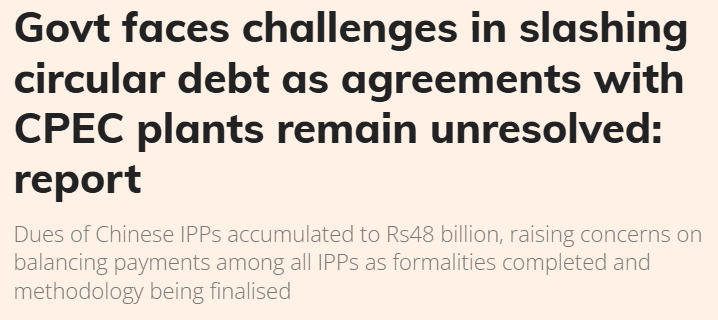
Key factors contributing to this enduring problem include poor recoveries from consumers, widespread electricity theft, and unreimbursed government subsidies for various consumer categories. Moreover, inefficiencies within power distribution companies, such as technical losses from outdated infrastructure and non-technical losses from theft, significantly inflate the cost of delivering electricity. When these costs are not fully recovered through tariffs or timely subsidy releases, the debt accumulates, eventually impacting the entire energy system. As of July 2025, Pakistan’s energy sector faces a massive deficit, with circular debt accumulating to around Rs2.3 trillion.
Source: Profit
The CPEC Power Projects: A Double-Edged Sword?
CPEC power projects, primarily coal-fired plants, were initiated to address Pakistan’s severe energy deficit and frequent power outages, which had long hindered economic growth. These projects brought much-needed generating capacity, with CPEC-related energy initiatives contributing over 7,000 megawatts of electricity to the national grid. While they helped mitigate power shortages, their contractual nature has introduced new financial complexities.
You May Like To Read: Investor-State Dispute Settlement (ISDS): Navigating Legal Challenges from Foreign
The agreements with CPEC IPPs often involve “take-or-pay” clauses. This means Pakistan is contractually obligated to pay for the electricity generated by these plants, regardless of whether the power is fully utilized or even dispatched to the grid. Such clauses guarantee returns to investors but place a significant financial burden on the national utility if demand is low or transmission infrastructure is inadequate. These projects, mostly structured as private ventures with Chinese investment, also benefit from sovereign guarantees from Islamabad, ensuring payments even in cases of default by power purchasers.
The 2015 CPEC Energy Framework Agreement legally binds the government to fully clear these dues, irrespective of its ability to recover amounts from end consumers.
Escalating Dues and Government’s Response
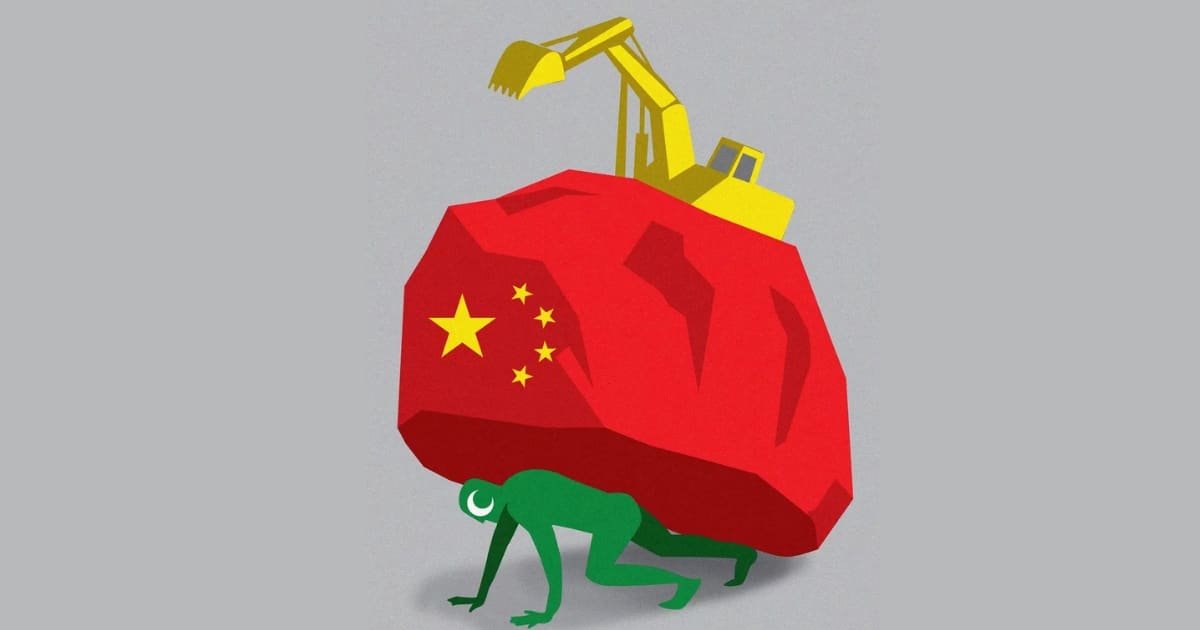
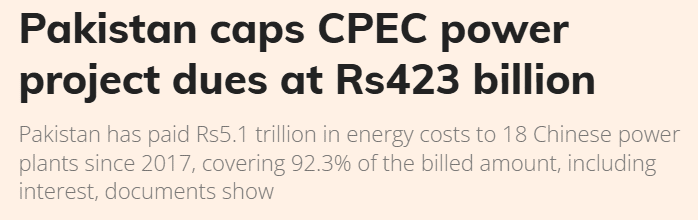
The power dues owed specifically to CPEC IPPs have recently surged to Rs423 billion (approximately $1.5 billion). This alarming figure represents a critical component of the broader circular debt. The government has acknowledged this mounting challenge, and in a significant move, has reportedly capped the accumulation of these dues at Rs423 billion. This decision is intended to halt the further ballooning of liabilities to these vital power producers.
Source: Profit
This measure aligns with Pakistan’s commitments to the International Monetary Fund (IMF). The government is under immense pressure to drastically reduce its overall circular debt from Rs2.3 trillion to just Rs561 billion, as per its promise with the IMF. Achieving this ambitious target is crucial for unlocking further tranches of financial assistance from the IMF and restoring investor confidence in the economy. The unresolved agreements with CPEC power plants continue to pose a major hurdle to these ongoing efforts.
Broader Economic and Geopolitical Implications
The accumulating debt to CPEC power projects extends beyond just the energy sector, impacting Pakistan’s wider economic stability. The payments, often denominated in foreign currency, exert immense pressure on Pakistan’s already strained foreign exchange reserves. This exacerbates the country’s balance of payments crisis, making it more challenging to meet other external financial obligations. The need for sovereign guarantees further burdens the national budget.
While CPEC is hailed as a “game-changer” for Pakistan’s infrastructure development and economic growth, concerns about debt sustainability have persisted. Critics argue that the significant reliance on Chinese loans, sometimes at relatively high interest rates, combined with specific contractual terms, risks increasing Pakistan’s economic dependency. This situation can influence future foreign policy decisions and geopolitical alignments.
The rising financial liabilities to Chinese companies also carry implications for investor confidence. Both local and international investors observe how Pakistan manages its existing financial commitments. Any perceived inability to honor these obligations could deter future investment, which is crucial for Pakistan’s economic revitalization. Furthermore, maintaining a strong economic partnership with China is strategically important for Pakistan, making the resolution of these financial issues a delicate diplomatic task.
Government Strategies and Future Outlook
In addition to capping CPEC-related dues, the government is pursuing a multi-pronged strategy to tackle the broader circular debt crisis. Measures include renegotiating power purchase agreements (PPAs) with various IPPs to convert “take-or-pay” clauses to a “take-and-pay” model, which could reduce capacity payments. Efforts are also underway to improve revenue collection by distribution companies and curb electricity theft. The government is also exploring tariff adjustments and a Debt Service Surcharge (DSS) on consumer bills to recover past dues.
You May Like To Read: BYD Set to Revolutionize Pakistan’s Automotive Landscape
For instance, a Rs3.23 per unit surcharge is already being levied on electricity consumers, with plans to continue it for an extended period to repay loans taken from commercial banks to clear accumulated debt. Structural reforms, including privatization of inefficient distribution companies, are also under consideration to enhance operational efficiency and reduce losses. The IMF has urged Pakistan to present a detailed plan for tackling the growing circular debt across the oil, gas, and power sectors.
The path forward for Pakistan involves a delicate balance: continuing to leverage CPEC for infrastructure development while simultaneously ensuring financial prudence and debt sustainability. The successful resolution of the CPEC power project dues is not merely an energy sector issue; it is fundamental to managing Pakistan’s overall debt burden, stabilizing its economy, and safeguarding its long-term financial health. The government’s ability to implement comprehensive reforms and negotiate favorable terms will be crucial in mitigating these complex challenges.