


A Hidden Crisis in Plain Sight
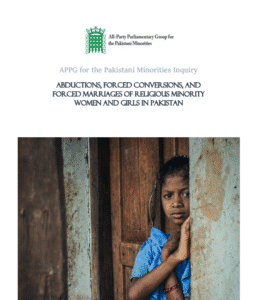
In 2024 alone, over 24,000 cases of abductions and kidnappings were reported across Pakistan—a staggering figure that reflects a broader crisis of law enforcement, judicial protection, and social accountability. While the majority of victims come from underprivileged backgrounds and include both genders, a particularly disturbing pattern has emerged: the disproportionate targeting of young Hindu girls in Sindh and South Punjab who are abducted, forcibly converted to Islam, and married to older Muslim men, often under coercion and without consent.
https://www.aljazeera.com/news/2022/3/31/pakistan-hindu-girls-killing-reignites-forced-conversion-fears
This phenomenon is not new—but its scale, impunity, and political indifference have grown alarmingly in recent years. Despite repeated outcries from civil society, rights groups, and even international observers, the Pakistani state has failed to enact comprehensive legislations, provide legal protection, or prosecute those responsible, emboldening perpetrators and eroding minority confidence in the justice system.
The Pattern: Coercion Disguised as Conversion
Most cases follow a recognisable script: a Hindu girl—often aged between 12 and 16 — disappears from her home. Days later, her family is informed that she has “converted to Islam of her own free will” and “married” her abductor. The conversion is formalised through affidavits before clerics or local religious groups, and any attempt by the victim’s family to challenge the abduction is met with threats, procedural delays, or outright dismissal in local police stations and courts.
Human rights advocates have documented how these “conversions” are rarely voluntary:
- Victims are often held in confinement, denied contact with their families, and coached before appearing in court.
- Many are illiterate or unaware of the consequences of such legal statements.
- Medical evidence frequently contradicts claims of adulthood but is dismissed due to weak age verification systems.
Despite clear indicators of coercion, law enforcement and judicial systems are reluctant to intervene—often out of fear of religious backlash, political pressure, or social controversy.
Sindh: The Epicentre of a Systemic Injustice
While cases have been reported in various provinces, Sindh remains the epicentre, owing to its sizeable Hindu population and rural vulnerabilities. Districts like Ghotki, Mirpur Mathelo, Umerkot, and Tharparkar have seen recurring incidents involving prominent local clerics and political influencers, as perpetrators–many of whom operate with tacit protection from local authorities.
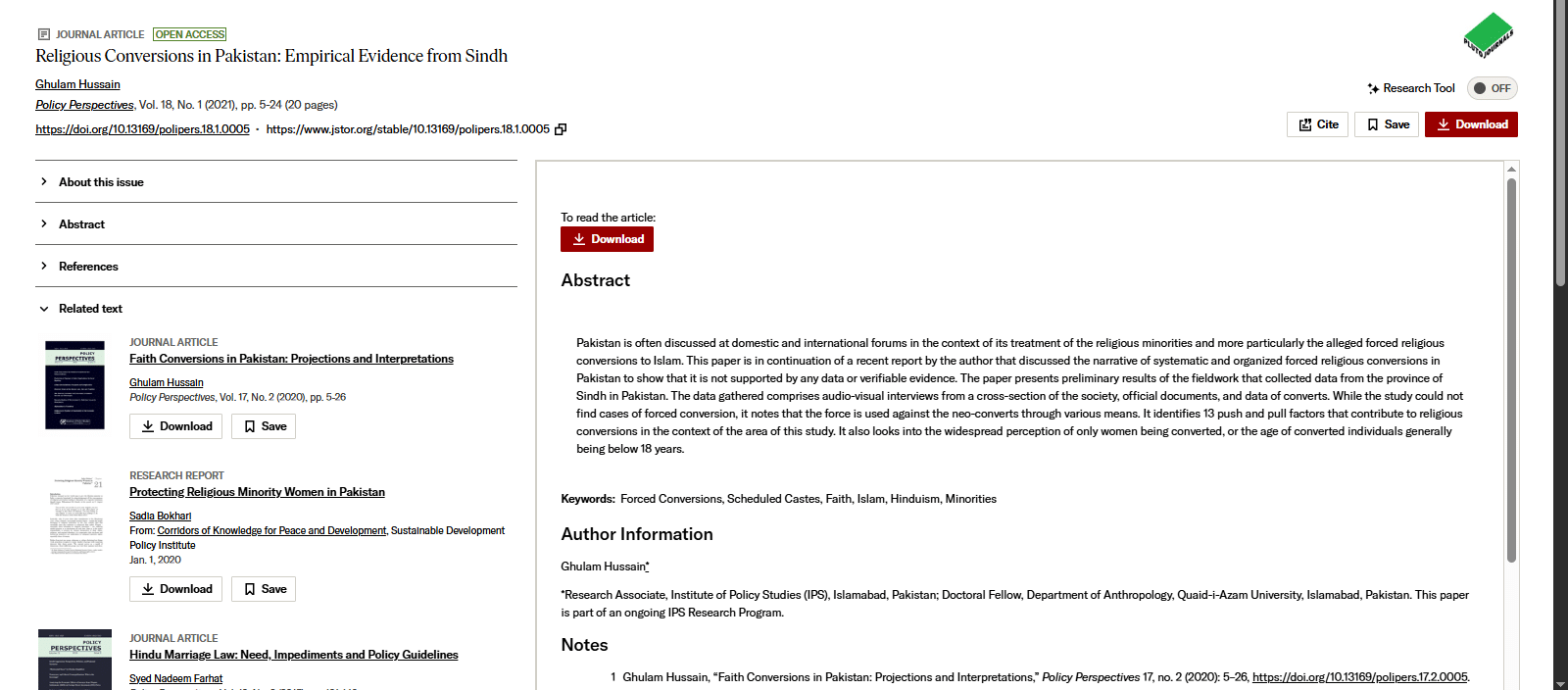
The Sindh Child Marriage Restraint Act (which sets the legal marriage age at 18) and multiple attempts to pass anti-forced conversion bills have faced fierce resistance from religious parties. In 2022 and again in 2024, legislative attempts to criminalise conversions under the age of 18 were derailed in the Sindh Assembly after pressure from clerics who framed the issue as an attack on Islamic evangelism.
Punjab: The Expanding Geography of Fear
While Sindh garners more attention, Southern Punjab has witnessed a marked increase in abductions of Christian and Hindu girls, often from the Chakwal, Rahim Yar Khan, Bahawalpur, and Multan regions. The presence of unregulated madrasas, porous judicial oversight, and political patronage of religious figures have created a fertile environment for these abuses.
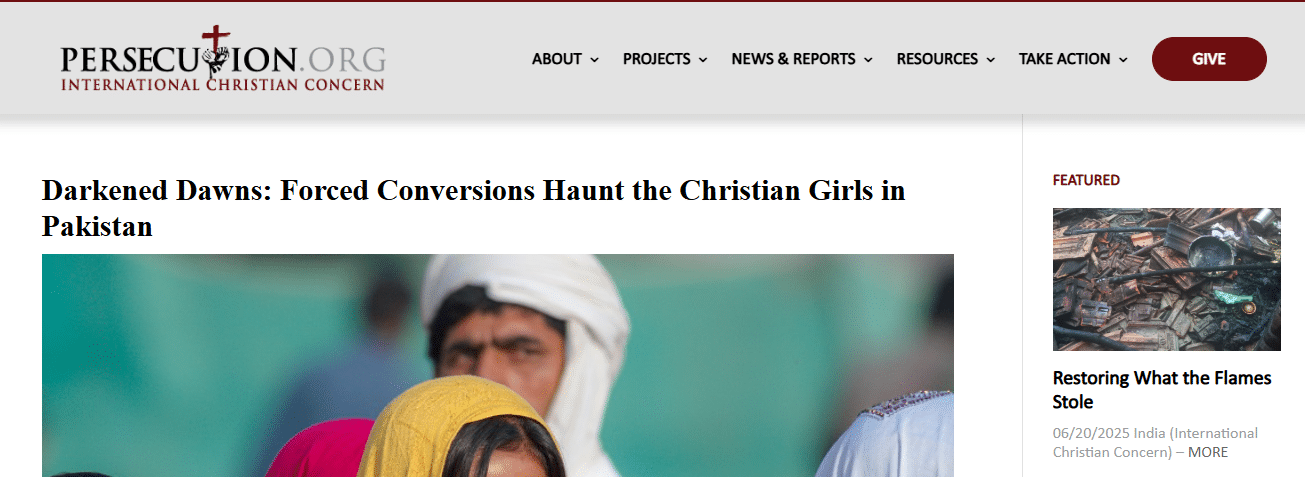
In many cases, victims are kept in religious seminaries, moved between districts, and their families are warned against pursuing legal redress. In Christian cases, blasphemy allegations are sometimes used as leverage to intimidate complainants.
Numbers That Speak: A Pattern of Impunity
While over 24,000 abduction cases were registered nationwide in 2024, human rights groups estimate that at least 1,000 minority girls are forcibly converted each year — a number believed to be underreported due to fear, stigma, and community pressure.
According to the Human Rights Commission of Pakistan (HRCP) and independent watchdogs:
- Victims are mostly under the legal age of marriage.
- Over 70% of cases do not result in prosecution.
- Less than 10% of victims are ever reunited with their families.
- In cases that reach court, judicial bias or procedural manipulation often results in the marriage being upheld.
Legal, Institutional, and Political Failures
The impunity enjoyed by perpetrators stems from multiple systemic failures:
- Police bias: Officers often refuse to register FIRs, particularly when clerics or politically connected individuals are involved.
- Judicial reluctance: Courts hesitate to override conversion claims for fear of being labelled anti-Islamic, especially in a volatile political climate.
- Political inaction: Successive governments—both provincial and federal—have failed to prioritise protective legislation, wary of angering religious parties or vote banks.
A Humanitarian Crisis, Not a Sectarian Issue
It is essential to frame this not merely as a religious issue but as a human rights crisis, one rooted in gender, class, and power imbalance. Victims are often from economically vulnerable families with limited access to legal aid or protection. The practice represents a failure of the state to protect its most vulnerable citizens—children—regardless of religion.
Moreover, such cases have contributed to increased migration of Pakistani Hindus to India and other countries in recent years, citing fear and lack of security. This brain drain and social fragmentation not only weakens the fabric of pluralism but further isolates communities that have long been part of Pakistan’s cultural and economic landscape. Moreover, it encourages the perpetrators to engage in similar activities, in the absence of law and respective authorities meant to curtail such crimes.
The Way Forward: Protection, Not Politics
Addressing this crisis requires more than statements of concern; it demands concrete institutional reforms and legal clarity:
- Enact Federal Legislation: A national law criminalising forced conversions under the age of 18 — with mandatory judicial review and witness protection—must be passed.
- Special Investigative Units: Police cells trained in child protection and minority rights must be established in high-risk districts.
- Clerical Oversight Mechanisms: Religious conversion affidavits must be scrutinised through an interfaith oversight board with legal representation.
- Judicial Reform and Training: Judges handling such cases must be trained in child rights, coercion indicators, and religious sensitivity to avoid procedural complicity.
- Rehabilitation and Reintegration: Survivors need shelters, psycho-social support, and long-term reintegration programs—not silent abandonment.
A Test of the State’s Commitment to Justice
The ongoing abductions and forced conversions of minority girls in Pakistan represent a moral and constitutional failure. At stake is not just the safety of thousands of young girls but the very idea of citizenship, equality, and justice promised in Pakistan’s founding vision.
To remain silent—or worse, complicit—is to allow the erosion of pluralism, the normalisation of impunity, and the transformation of religion from a personal faith into a tool of coercion. The question is no longer whether Pakistan will act, but how long it can afford not to.