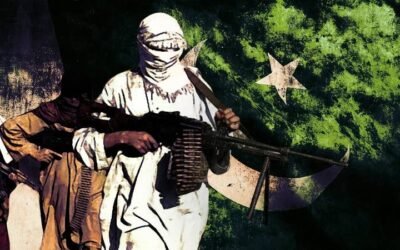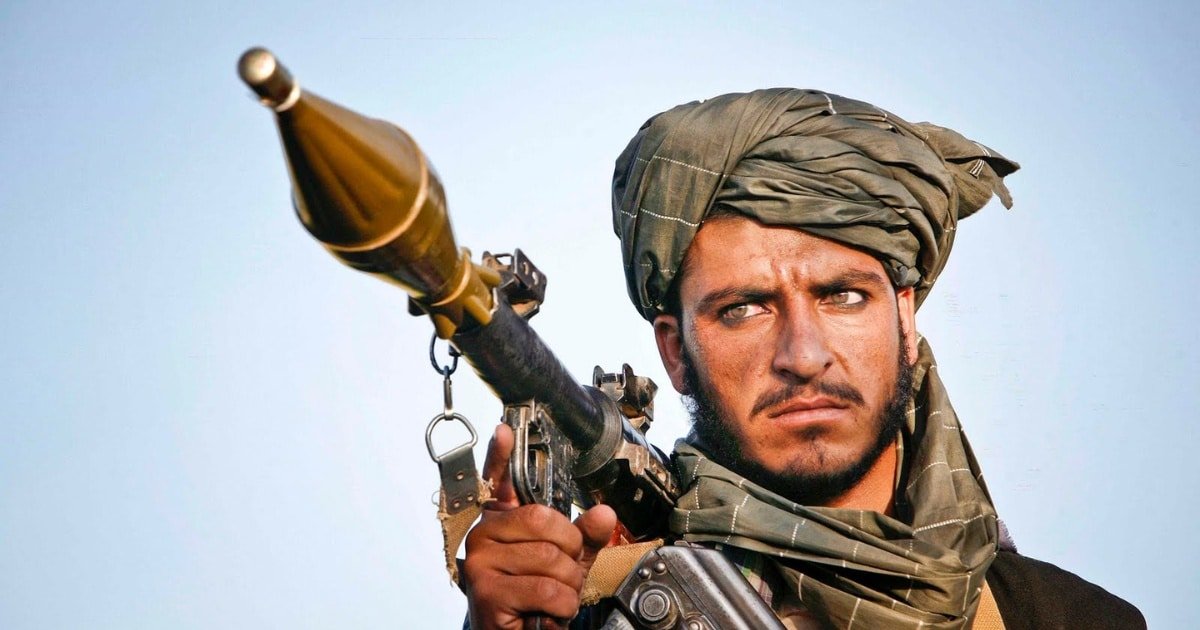





For years, the Tehreek-e-Taliban Pakistan (TTP)—rebranded here as Fitna al Khawarij (FAK)—has projected itself as a unified, disciplined insurgent movement waging a “holy struggle” against the Pakistani state. In propaganda videos, online magazines, and official statements, the group portrays its fighters as bound by unbreakable ideological loyalty and a shared mission. Yet, beneath this carefully constructed façade lies a fractured reality marked by deep divisions, violent purges, and brutal suppression of dissent within its own ranks. The group’s internal wars reveal not strength, but fragility—a weakness masked by the constant resort to fear and bloodshed.
Factionalism as an Enduring Trait
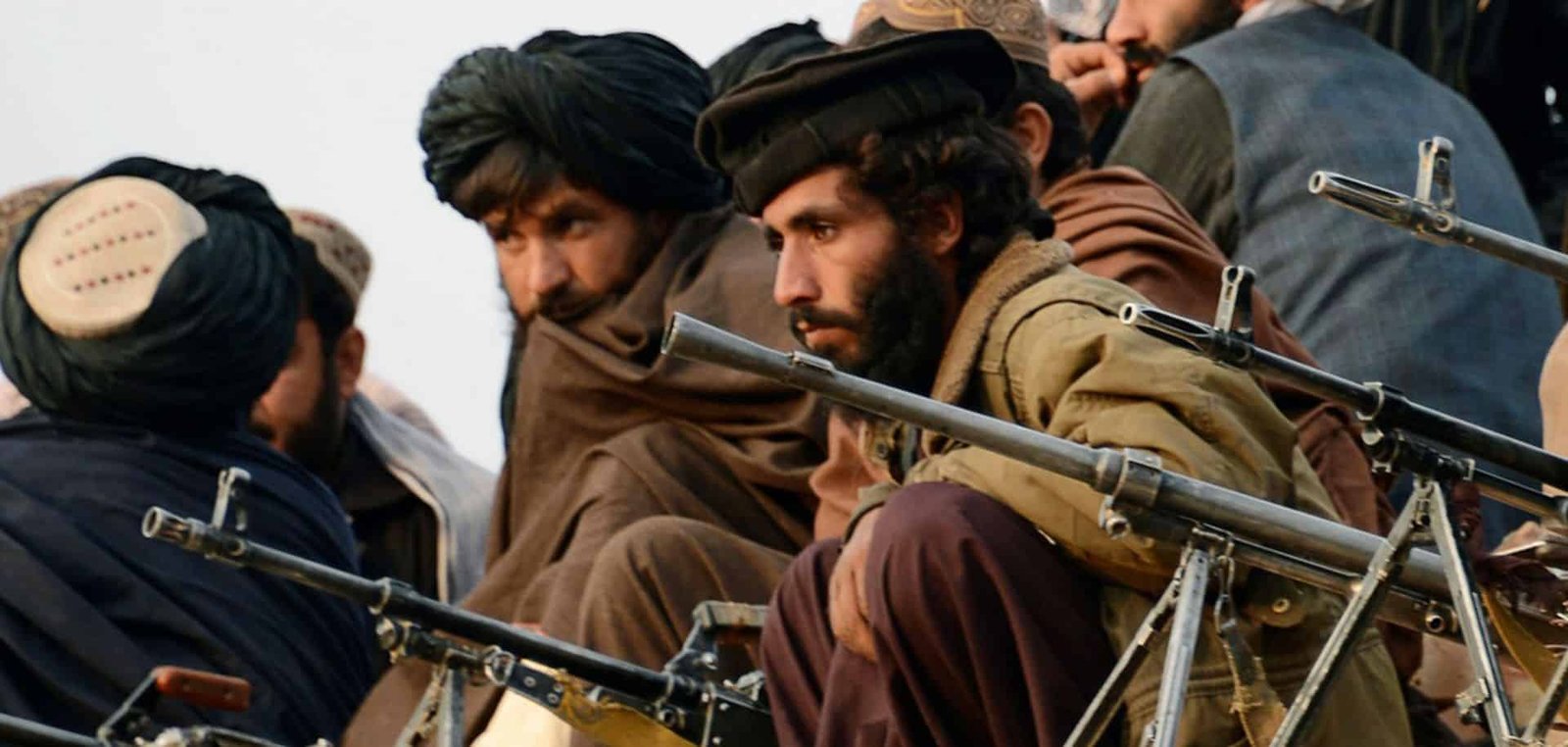
Factionalism is not new to the FAK. Since its formal inception in 2007, the organization has been less a monolithic entity than a loose coalition of tribal militias, sectarian outfits, and radical clerics unified under an umbrella of extremist ideology. At its peak, the group claimed to operate across the tribal belt, binding together disparate warlords under the leadership of Baitullah Mehsud. However, even at that early stage, cracks were visible. Rival commanders often clashed over resources, tribal loyalties, and authority. Baitullah’s death in a U.S. drone strike in 2009 accelerated internal rivalries, setting the stage for repeated leadership crises that have haunted the group ever since.
The current leadership under Noor Wali Mehsud has attempted to consolidate authority, presenting the FAK as a rejuvenated force since 2018. However, reports from Pakistan’s intelligence agencies and regional analysts suggest that this consolidation has come at the cost of purges, targeted assassinations, and brutal suppression of dissenting factions within the movement.
You May Like To Read: Pakistan–U.S. Counterterrorism Cooperation Sees Renewed Momentum Amid Strategic Realignment
Purges, and Targeted Killings
One of the clearest indicators of the FAK’s internal fragility is its record of assassinating dissenting commanders. Rival leaders who question strategies, challenge leadership authority, or oppose alliances are often swiftly eliminated. Several prominent commanders have been killed not by state action but through orchestrated internal assassinations. For example, disputes between factions in Orakzai and Kurram agencies reportedly led to the killing of field commanders in recent years.
Such purges are not only tactical but also ideological. The FAK leadership enforces rigid adherence to its interpretation of Khawarij-inspired takfiri ideology. Any commander perceived as “soft” toward reconciliation with Pakistan or reluctant to embrace extreme measures risks being branded an apostate—ironically, a fate the group so readily prescribes for the wider Muslim community. This zero-sum logic of excommunication creates an environment where dissent is impossible, and loyalty is secured only through fear.
The Cost of Suppressing Dissent
While these purges consolidate short-term authority for Noor Wali Mehsud, they also weaken the organization strategically. First, they drain human capital. Capable field commanders and fighters who might otherwise contribute to the group’s operational capacity are instead consumed in internal rivalries. Second, purges breed paranoia within the ranks. Fighters know that suspicion alone can be a death sentence, leading to mistrust and reduced cohesion.
This climate of fear also drives defections. Some militants, disillusioned by infighting, have surrendered to Pakistani authorities or joined rival extremist factions. These defections provide valuable intelligence to counter-terrorism agencies, exposing operational plans, financial networks, and safe havens. In effect, the FAK’s brutality against its own members inadvertently strengthens Pakistan’s counter-insurgency apparatus.
Signs of Ideological Rigidity
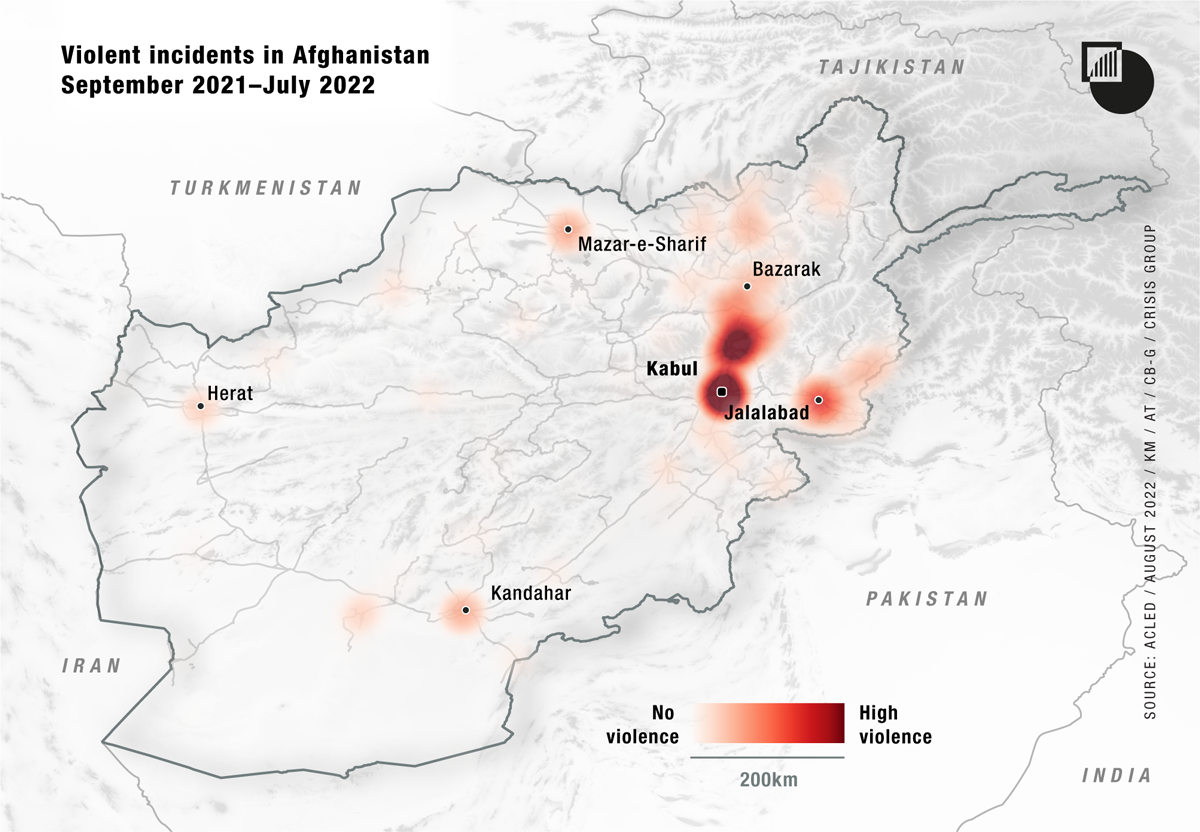
The FAK’s internal wars also expose the rigidity of its ideological foundations. Rather than allowing space for pragmatic debate or adaptation, the leadership enforces conformity to an uncompromising worldview. This rigidity translates into increasingly extreme tactics, as leaders seek to demonstrate ideological purity by escalating violence. Attacks on schools, polio vaccination teams, and even tribal jirgas reflect not only hatred for state institutions but also a desperate attempt to assert doctrinal control.
In this sense, the suppression of dissent is not only about authority but also about survival. A leadership that cannot tolerate internal debate reveals its own fragility. The reliance on excommunication (takfir) against dissenters mirrors the very Khawarij tendencies that make the group inherently unstable—destroying itself from within even as it attacks others.
Implications for Counter-Insurgency
For Pakistan’s security establishment, these internal wars present both opportunities and risks. On the one hand, factional splits and purges undermine the FAK’s cohesion, limiting its ability to conduct large-scale coordinated attacks. Intelligence gleaned from defectors and disgruntled commanders has already aided in neutralizing several cells. On the other hand, internal brutality can also push splinter factions toward greater radicalization, producing smaller but more violent offshoots that are harder to track.
Counter-insurgency doctrine suggests that exploiting fissures within insurgent groups can be an effective strategy. By amplifying divisions, providing safe exit routes for disillusioned fighters, and publicizing the brutality of the FAK’s internal purges, Pakistan can undermine the group’s propaganda of unity and inevitability. However, this requires careful management to prevent splinter groups from regrouping into new threats.
Lessons from Organizational Behavior
Viewed through the lens of organizational behavior, the FAK’s instability is unsurprising. Terrorist organizations that thrive on absolutist ideologies are inherently prone to factionalism. Without mechanisms for conflict resolution or institutionalized succession planning, leadership disputes inevitably turn violent. Moreover, the reliance on fear as the primary tool of governance creates a cycle where repression breeds resentment, which in turn necessitates further repression.
The FAK’s internal wars highlight the paradox of extremist movements: their quest for absolute ideological purity ensures their eventual self-destruction. While they may inflict significant damage on society, their inability to tolerate internal pluralism makes them unsustainable in the long run.
The outward show of unity projected by the Fitna al Khawarij masks a grim reality of bloodshed within its own ranks. The FAK’s history of factional infighting, purges, and assassinations underlines not resilience but weakness. Each act of suppression chips away at its internal cohesion, breeding mistrust and defections that ultimately undermine its operational capacity.
For Pakistan, the challenge lies in harnessing these internal fissures while safeguarding against the spillover of violence. By exposing the FAK’s brutality toward its own members and highlighting its Khawarij-inspired rigidity, policymakers can weaken the group’s appeal among potential recruits. In the end, the FAK’s internal wars may prove to be its undoing—a movement undone not by external enemies alone, but by the very ideological poison it deploys against itself.
You May Like To Read: Quetta Lecturer Exposed: India-Backed FAH’s Baloch Proxies Foiled Again