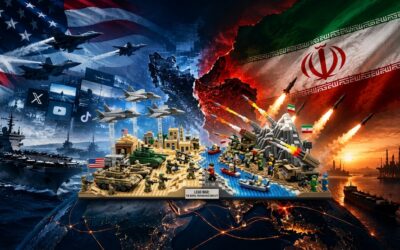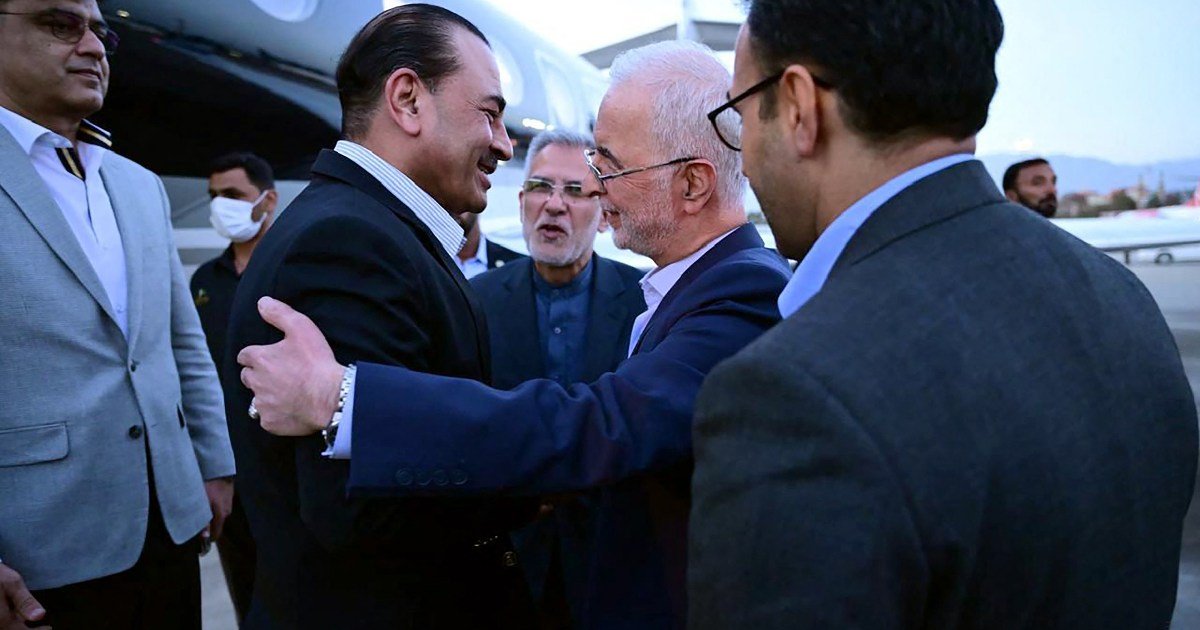





In a significant development, Chief of Defence Forces Field Marshal Asim Munir arrived in Tehran on Friday as part of ongoing mediation efforts to broker an interim understanding between the United States and Iran. The visit comes at a crucial juncture, with cautious optimism surrounding a fragile ceasefire in the Persian Gulf and the need to stabilize the situation before tensions escalate further.
Inter-Services Public Relations (ISPR) confirmed Field Marshal Munir’s visit, emphasizing his warm reception by Iranian Minister for Interior Eskandar Momeni. Federal Minister for Interior Mohsin Naqvi, who had been in Tehran for consultations with Iranian officials, was also present.
Diplomatic sources suggest Field Marshal Munir’s presence signifies a shift from exploratory diplomacy to strategic-level bargaining, focusing on de-escalation, maritime security, and potential guarantees linked to a phased arrangement.
The mediation process has expanded in recent days, with Qatar dispatching a negotiating team to Tehran in coordination with the United States. Saudi Interior Minister Abdulaziz bin Saud Al Saud also engaged with Minister Naqvi in Tehran.
Pakistan’s Key Role Lauded by US
US Secretary of State Marco Rubio acknowledged Pakistan’s crucial mediation role, referring to the country as Washington’s “primary interlocutor” in the talks. He highlighted the constant communication between the US government and Field Marshal Munir.
Marco Rubio Says Pakistan Is Primary Interlocutor in Ongoing Discussions | Asia One News #Asiaone #asiaonenews #MarcoRubio #SecretaryofState #USA #Pakistan #PrimaryInterlocutor #Mediator pic.twitter.com/XRRdrgyWqg
— ASIA ONE NEWS (@AsiaOne_News) May 22, 2026
Discussions Focus on Interim Arrangement
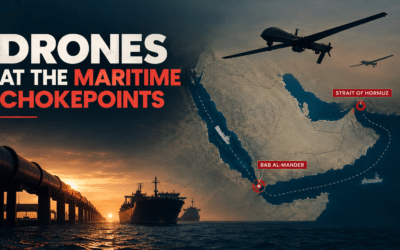
Current discussions are believed to center on an interim arrangement encompassing a formal ceasefire extension, phased sanctions relief, freedom of navigation guarantees in the Strait of Hormuz, and a structured timeline for future negotiations.
Key sticking points remain, however. Washington is pushing for immediate action on Iran’s highly enriched uranium stockpile and broader nuclear restrictions, while Tehran seeks a trust-building period before making binding commitments. Iran has firmly rejected any demand to hand over its enriched uranium to the United States.
A U.S. Sailor aboard USS Comstock (LSD 45) observes a commercial vessel while enforcing the U.S. blockade against Iran, May 21. U.S. forces have redirected 97 commercial vessels and disabled 4 since the start of the blockade. pic.twitter.com/1Zgsoykhy4
— U.S. Central Command (@CENTCOM) May 22, 2026
Continued Diplomatic and Military Signaling
Alongside diplomacy, military signaling continues. Reports indicate ongoing US aerial refueling operations near Saudi and Emirati airspace, demonstrating Washington’s operational readiness. An Islamic Revolutionary Guard Corps commander asserted Iran’s preparedness and warned against any “mistakes” by the “enemy.”
UAE Expresses Concern Over Iran’s Nuclear Program
A senior UAE official stated that the chances of a US-Iran agreement to reopen the Strait of Hormuz were “50-50.” Presidential adviser Anwar Gargash urged Iran not to overestimate its position during the ceasefire and emphasized that Iran’s nuclear program has become the UAE’s top concern.
Critical Analysis
This press release highlights the delicate and complex nature of the ongoing negotiations between the US and Iran. Pakistan’s central role as a mediator underscores its importance in regional stability. The interim arrangement being discussed offers a potential pathway to de-escalation, but significant obstacles remain, particularly concerning Iran’s nuclear program and the deep-seated distrust between the two nations. The continued military signaling from both sides serves as a reminder of the high stakes involved and the potential for renewed conflict. The UAE’s growing concern over Iran’s nuclear ambitions further complicates the situation, highlighting the need for a comprehensive and lasting solution. The success of these mediation efforts hinges on both sides demonstrating flexibility and a willingness to compromise in the pursuit of regional peace and security.