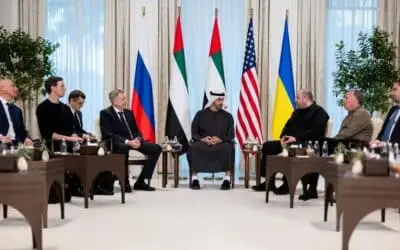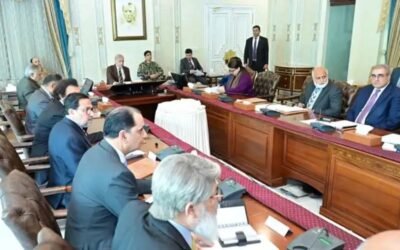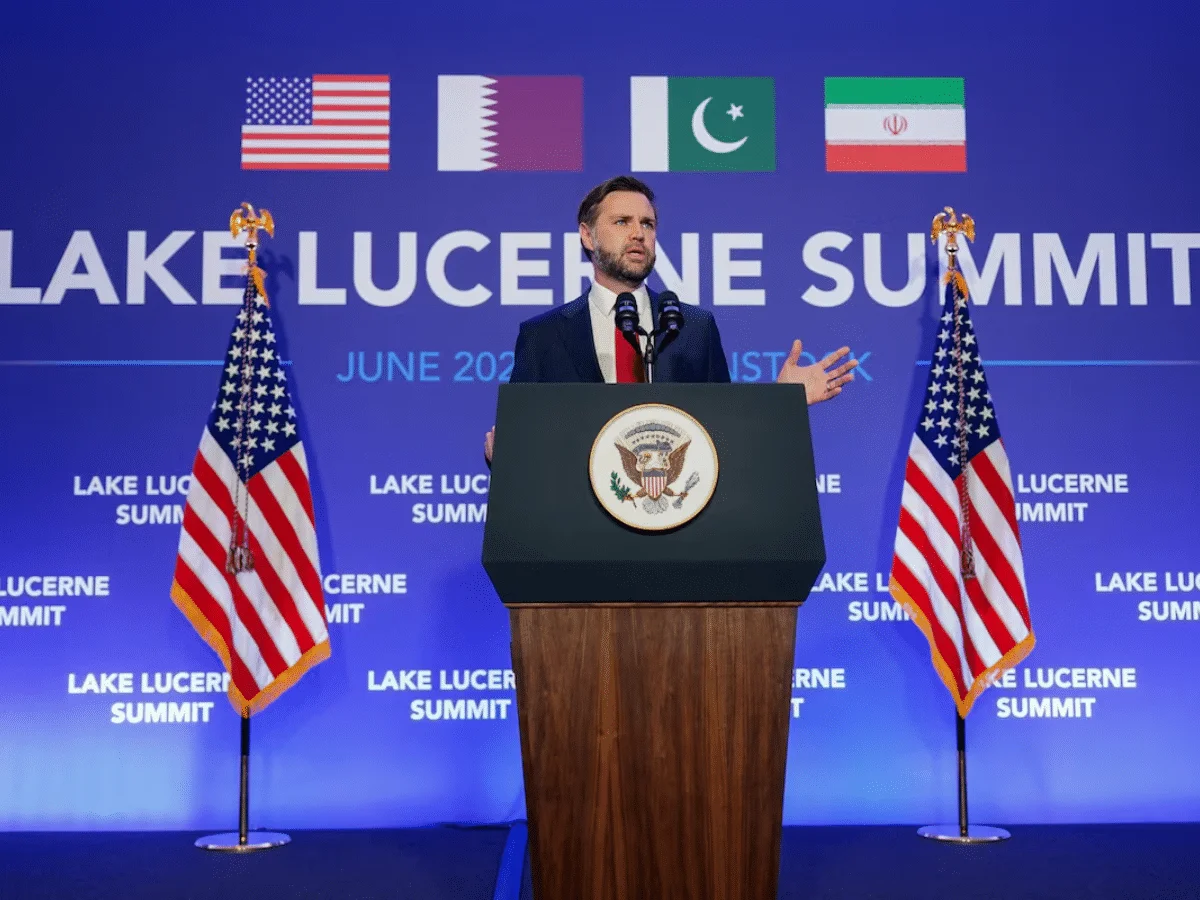





High-level trilateral mediation spearheaded by Pakistan and Qatar has successfully averted a collapse of the Middle East peace process at the Bürgenstock luxury resort, securing an institutionalized 60-day roadmap toward a definitive truce.
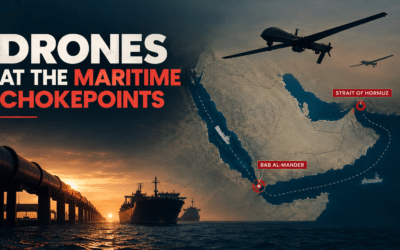
Following a high-friction weekend where the Iranian delegation briefly staged a walkout in response to enforcement warnings from U.S. President Donald Trump, negotiators successfully stabilized the diplomatic track on Monday. The United States officially implemented a temporary suspension of primary sanctions on Iranian crude oil and petrochemical exports through August 21, 2026. Concurrently, the parties finalized the creation of an immediate military “de-confliction cell” to halt the ongoing theater warfare in Lebanon and established joint communication lines to guarantee the continuous, unhindered flow of global energy traffic through the strategic Strait of Hormuz.
Tireless Pakistani and Qatari mediation has delivered major progress to end Lebanon War. Oil and petrochem exports are waived, blockade lifted, some frozen assets released, and major reconstruction & development plan launched for Iran.
1st real test: Lebanon deconfliction cell https://t.co/q0okD2qwSO
— Seyed Abbas Araghchi (@araghchi) June 22, 2026
The Bürgenstock Accords: Core Architectural Breakthroughs
A joint statement released by the Pakistani and Qatari co-mediators confirmed that the high-level technical talks will continue in Switzerland throughout the week. The initial phase has successfully codified several critical stabilizing measures:
1. Verification Loops & Sanctions Relief
U.S. Treasury Secretary Scott Bessent announced a general license permitting international entities to purchase and offload Iranian-origin oil, petroleum, and petrochemical products for the duration of the 60-day roadmap. This sweeping waiver was granted following Tehran’s high-level commitment to sustain open maritime transit and grant regulatory access to International Atomic Energy Agency (IAEA) weapons inspectors.
2. The Kushner Financial Safeguard Structure
Addressing domestic criticism from congressional hawks, U.S. Vice President JD Vance clarified that no sovereign Iranian assets have been directly handed over to Tehran. Under a strict transaction process designed by White House Envoy Jared Kushner, any unfrozen Iranian capital will be held in joint U.S.-Qatari escrow accounts.
These funds will be restricted exclusively to purchasing American agricultural commodities—such as soybeans, corn, and wheat—effectively blocking the allocation of liquid capital toward regional non-state actors while directly supporting the American agricultural sector. “It’s a classic Trump deal,” Vice President Vance noted. “They’re going to make American farmers richer and feed the Iranian people.”
3. De-Confliction Channels & Maritime Resiliency
To insulate the peace track from sudden escalations on the ground, mediators established a localized “de-confliction cell” directly linking the technical teams with Lebanese authorities to enforce the truce. On the maritime front, despite a brief diplomatic closure declaration by Tehran over the weekend, real-time navigation tracking data from Kpler and AXSMarine confirmed that traffic in the Strait of Hormuz has accelerated, registering over 26 major commodity and container transits by Monday morning. Following the Swiss sessions, the Iranian negotiating team, led by Parliamentary Speaker Baqer Ghalibaf and Foreign Minister Abbas Araghchi, departed for Muscat, Oman, to finalize regional maritime management protocols.
The $300 Billion Reconstruction Dilemma
Despite significant progress on tactical de-escalation, a major financial and diplomatic hurdle remains unresolved. The text of the initial memorandum dictates that Washington “undertakes with regional partners to develop a definitive mutually agreed plan with at least $300 billion for the reconstruction and economic development” of war-torn Iran.
The mechanism to fund this massive capital pool remains completely unsettled:
-
The American Position: The Trump administration views the fund as a long-term economic incentive conditional upon verifiable “nuclear honesty” and long-term denuclearization.
-
The Iranian Position: Foreign Minister Araghchi publicly hailed the launch of the major development plan on social media, with Tehran framing the fund as justified war reparations for the unilateral strikes launched on February 28.
-
The Regional Funding Gap: The wealthy Gulf Arab States remain deeply divided in the wake of the 100-day war. Highlighting the delicate nature of the financing track, Saudi Foreign Minister Prince Faisal bin Farhan explicitly declined to comment on whether Riyadh would contribute to rebuilding its powerful northern neighbor, leaving the final financial burden of the peace deal highly uncertain.
Critical Analysis
The strategic breakthroughs achieved in Switzerland demonstrate a massive realignment in conflict-resolution methodology:
1. Escrow Diplomacy and the Neutralization of the “Terror Finance” Narrative
The deployment of the Kushner-designed financial structure represents a highly sophisticated method of overcoming domestic political gridlock. By converting frozen sovereign assets into non-fungible agricultural credits tied to U.S. commodities like corn and soybeans, the Trump administration has effectively neutralized the potent political accusation that it is “funding the IRGC.”
This mechanism transforms a sensitive national security issue into a domestic economic win for the American farming lobby. However, it introduces an inherent structural friction: if Tehran views this restriction as an infringement on its economic sovereignty or an insult to its financial independence, it may stall on granting IAEA inspectors access to its defense sites, endangering the entire 60-day roadmap.
2. The Calculated Use of Strategic Ambiguity in the Reconstructive Architecture
The deliberate lack of specificity regarding the $300 billion reconstruction fund is not a diplomatic oversight; it is a calculated deployment of strategic ambiguity necessary to get both sides to sign the initial agreement. By leaving the list of financial contributors blank, mediators allowed Washington to claim to its domestic audience that American taxpayers will not foot the bill, while allowing Tehran to tell its population that it has successfully extracted hundreds of billions in de facto war reparations.
However, this ambiguity creates a highly volatile environment for the upcoming phase of technical talks. Because the entire framework is conditional upon a “mutually agreed plan” within 60 days, the absolute refusal of Gulf powers like Saudi Arabia to anchor the fund could cause the final treaty to collapse, turning this temporary pause back into a high-intensity regional conflict.
3. The Institutional Victory of the Pak-Qatar Mediation Axis
The survival of the Bürgenstock talks despite a major weekend walkout is a significant institutional victory for the joint diplomatic efforts of Islamabad and Doha. This success proves that the mediation team is not just relaying messages, but actively managing crises in real-time. When President Trump’s aggressive rhetoric threatened to derail the sessions, the Pakistani civil-military leadership—relying on the defense credibility of Field Marshal Asim Munir and the political access of Prime Minister Shehbaz Sharif—was able to provide the firm security guarantees that brought the Iranian delegation back to the negotiating table.
By successfully balancing the high-stakes transaction demands of the White House with the strict sovereignty requirements of Tehran, Pakistan has solidified its status as an indispensable anchor of security and diplomacy across Southwest Asia.