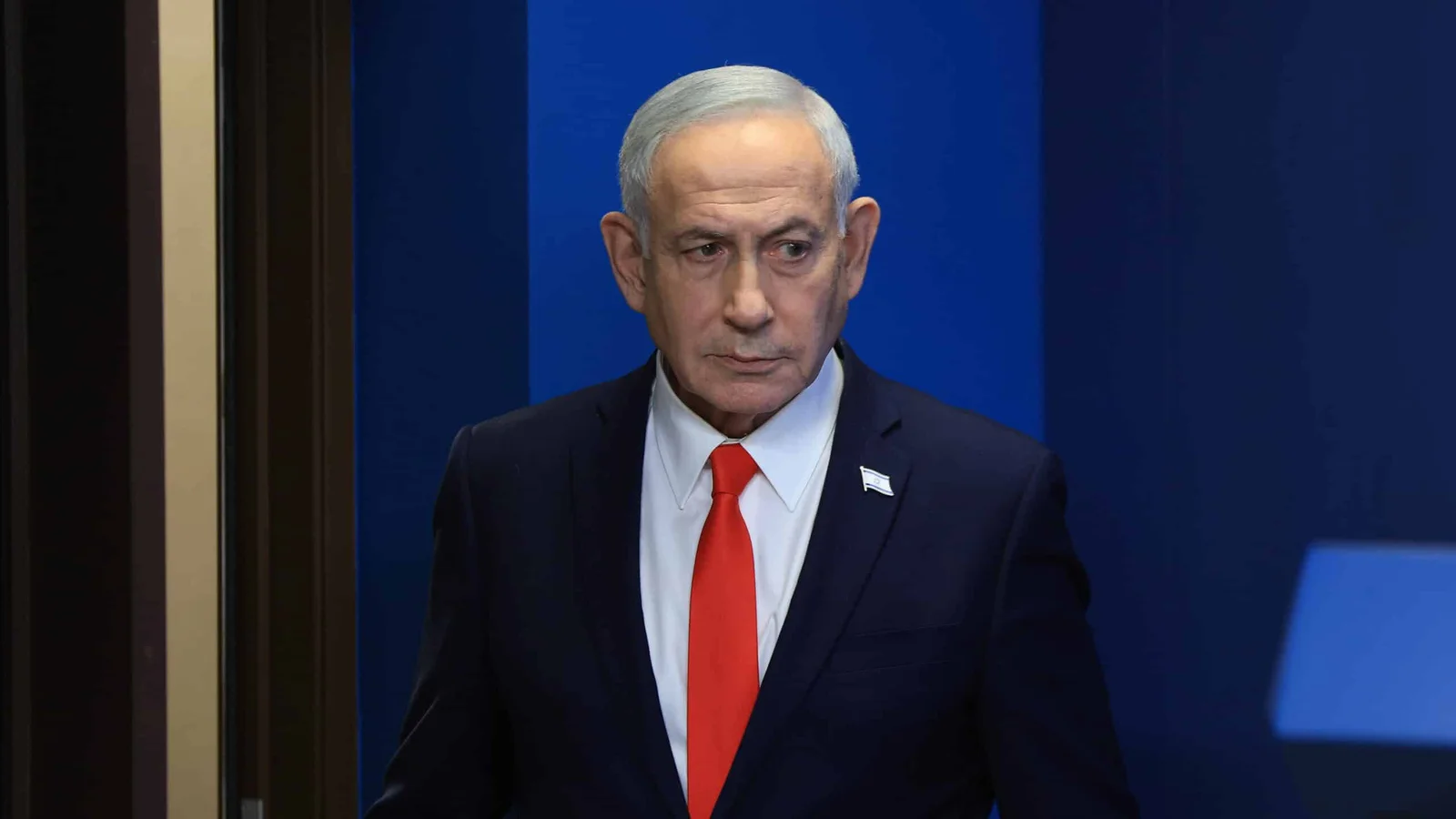





In a major policy declaration on Sunday, Israeli Prime Minister Benjamin Netanyahu confirmed that Israeli Defense Forces (IDF) will maintain an active, indefinite presence within the newly established security zone in southern Lebanon. The announcement comes amid a fragile, newly enforced ceasefire with the Hezbollah militant network, which took effect late Friday evening after months of escalating regional warfare.
Speaking from Jerusalem, Prime Minister Netanyahu emphasized that the military buffer zone will remain fully occupied for “as long as necessary” to guarantee the safety of northern Israeli communities and protect the state’s sovereign borders. Concurrently, the Prime Minister renewed Israel’s absolute strategic commitment to preventing the Islamic Republic of Iran from achieving operational nuclear weapons capabilities, indicating that Tel Aviv remains decoupled from parallel multilateral negotiations occurring elsewhere in the region.
Israeli Prime Minister Benjamin Netanyahu said on Sunday the military would continue to occupy the “security zone” in southern Lebanon along the Israeli border for “as long as necessary.” Read more: https://t.co/QuYPFgtXAO pic.twitter.com/jOxINtAjFc
— NEWSMAX (@NEWSMAX) June 22, 2026
Defense Ministry Reaffirms Rules of Engagement and Operational Freedom
Reinforcing the Prime Minister’s executive directive, Israeli Defense Minister Israel Katz announced that IDF personnel retain absolute, unrestricted freedom of movement to eliminate active or emerging threats across southern Lebanese territory. Katz stated that Israeli frontline units remain firmly in position to prevent any tactical rebuilding of militant infrastructure.
The Ground Reality in Southern Lebanon:
-
The Military Assessment: Reviewing operational lines in the north, IDF military chief Lieutenant General Eyal Zamir stated that Hezbollah’s command structure has suffered a severe blow, leaving the group in an extremely weak position. Zamir warned that Israeli forces are permanently prepared to restart high-intensity offensive operations if the ceasefire terms are compromised.
-
The Ceasefire Violations: Despite the official truce taking effect on Friday, the operational environment remains highly volatile. On Saturday, targeted Israeli airstrikes killed at least 20 people in Lebanon following what Tel Aviv categorized as immediate threat indicators.
-
The Hezbollah Response: Speaking via international media channels, a senior Hezbollah official stated that while the group has strictly halted all kinetic operations against Israeli troops since Saturday evening, it remains committed to the ceasefire only on the condition of reciprocal Israeli compliance. The official firmly rejected Israel’s claims to unilateral freedom of movement inside sovereign Lebanese territory.
Controlled Returns and Civil Displacement Realities
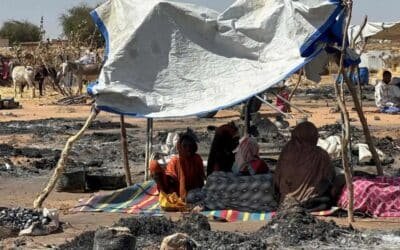
As the guns fell silent following the pause in active fighting, a small number of displaced Lebanese citizens cautiously returned to southern border towns on Sunday to inspect heavily damaged homes and commercial enterprises.
In the southern hub city of Nabatieh, international observers reported a minimal trickle of residents returning briefly from temporary refugee safe havens in northern cities like Sidon. Recognizing the extreme danger posed by unexploded ordnance and ongoing frontline volatility, the Lebanese Armed Forces (LAF) issued an urgent directive advising citizens to delay all returns to southern border villages and strictly comply with army safety instructions to avoid casualties from ongoing security violations.