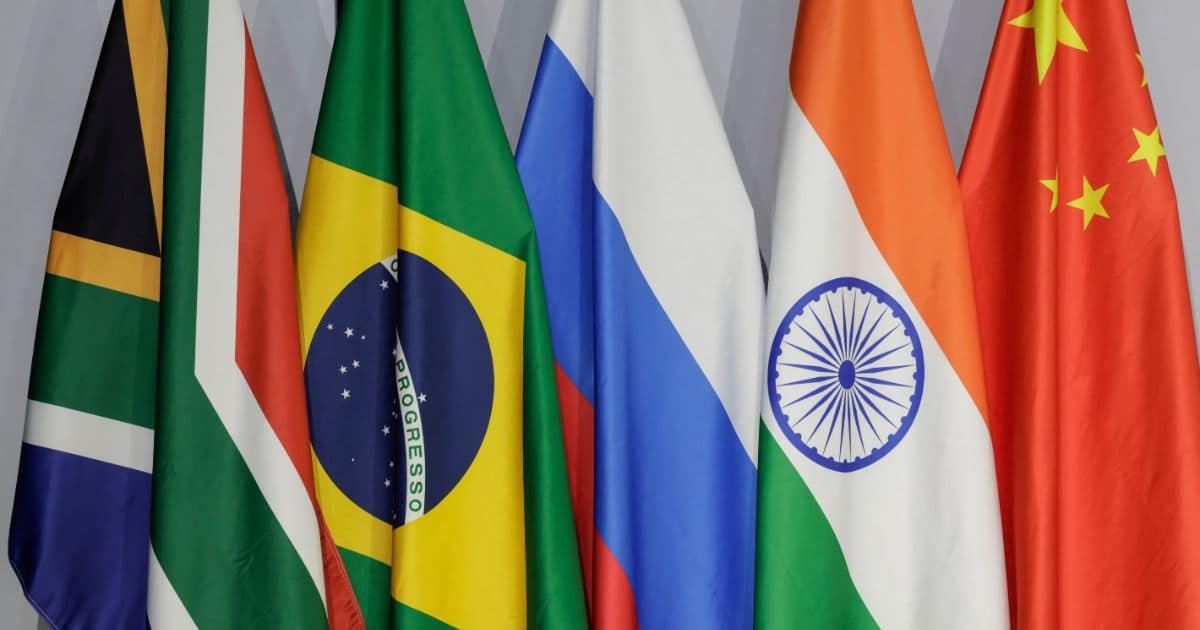





Fortaleza, Brazil – The leaders of the BRICS nations—Brazil, Russia, India, China, and South Africa—have today signed a historic agreement to establish a new development bank. This new institution is designed to mobilize resources for crucial infrastructure and sustainable development projects within BRICS countries and other developing nations, positioning itself as a significant new player in the global financial landscape. The agreement, reached during the BRICS summit in Fortaleza, represents a major step toward fulfilling a long-held vision of creating a financial institution that better reflects the economic realities of the 21st century.
Addressing a Global Infrastructure Deficit
The new bank will primarily focus on financing infrastructure projects, a sector where the global need far outstrips existing resources. According to the World Bank, there is an estimated $1 trillion gap in infrastructure spending in low- and middle-income countries. Existing institutions currently provide only a small fraction of the total spending required, making the need for new sources of financing critical. The BRICS bank is set to directly address this deficit, channeling its efforts into projects such as power stations, roads, ports, and telecommunications networks.
Nobel Prize-winning economist Joseph Stiglitz and his colleagues have described the bank as “an idea whose time has come,” noting its potential to rebalance the world economy. By channeling hard-earned savings from emerging markets into productive infrastructure uses, the bank aims to avoid the pitfalls of previous investment strategies that fueled financial bubbles in richer nations.
A New Model of Financial Governance
The proposed BRICS bank stands apart from traditional institutions like the World Bank due to its distinct governance model and lending philosophy. A key difference will be the approach to loan conditions. Unlike the World Bank, which has often been criticized for attaching controversial conditions to its loans, the new institution is expected to take a less assertive position, thereby respecting the sovereignty of borrowing countries.
Furthermore, the bank’s leadership structure will likely challenge the established practice where the heads of the World Bank and the International Monetary Fund (IMF) are always American and European, respectively. It is anticipated that the new BRICS bank will be led by a national from one of the five member countries, reflecting the growing influence of these economies on the global stage.
Financial Scope, and Impact
The BRICS nations have committed to a total capital of up to $100 billion for the new institution. While the full amount may not be paid in immediately, experts believe the bank has the potential to make a significant financial impact. One estimate from a Columbia University professor suggests that the bank could eventually lend as much as $34 billion a year. By co-financing projects with private investors and other development banks, its total influence on global infrastructure spending could be even greater. This substantial commitment underscores the serious intent of the BRICS nations to create a viable and impactful alternative to the existing global financial system.
You May Like To Read: