




Introduction: A New Front in Global Influence
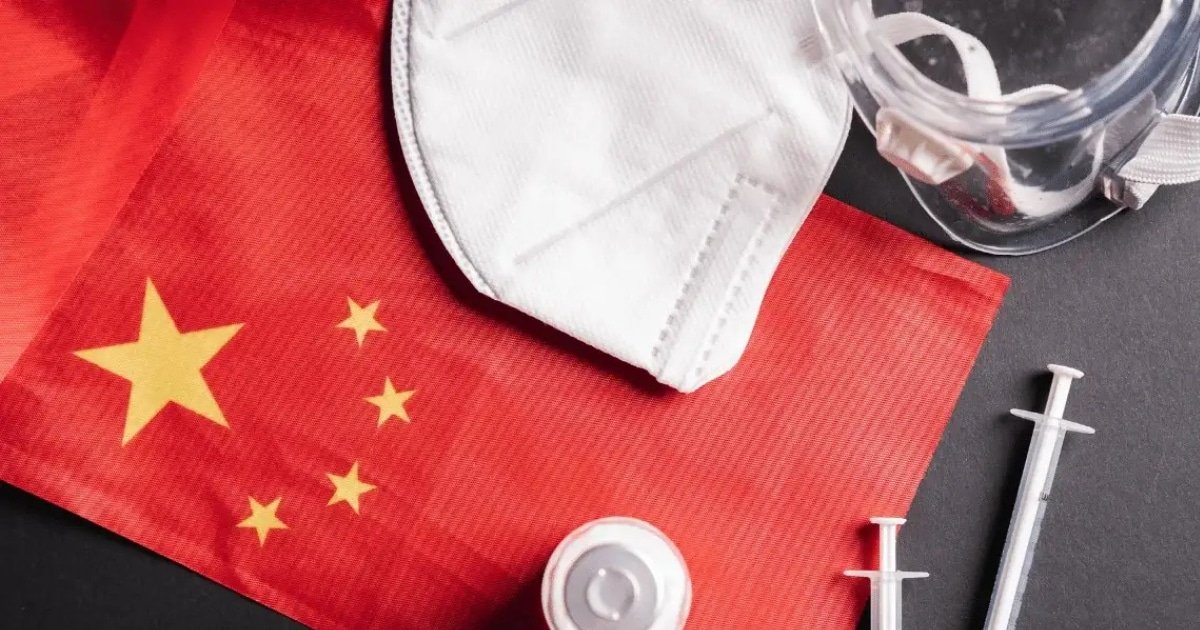
In the evolving landscape of international relations, China’s role in global healthcare has become a major strategic force. Beyond traditional trade and infrastructure investment, Beijing is increasingly leveraging pharmaceutical exports, vaccine partnerships, and hospital infrastructure projects to build long-term relationships with countries across Asia, Africa, and the Middle East. This shift reflects a deliberate effort by China to shape global health systems, assert influence, and deliver tangible benefits for partner nations.
China’s Pharmaceutical Supply Chain Dominance
One of the most significant achievements of China’s health strategy is its control over key parts of the global pharmaceutical supply chain. Chinese firms are major producers of active pharmaceutical ingredients (APIs), the raw materials used to make essential medicines everywhere. In 2025, Chinese APIs were estimated to account for around 20% of global production and were exported to about 180 countries, illustrating how deeply embedded China has become in healthcare manufacturing worldwide.
Moreover, China’s pharmaceutical export sector has moved beyond basic raw materials. In recent years, the country has expanded into exporting finished medicines and engaging in out-licensing deals worth over $136 billion in 2025, up sharply from around $51.9 billion in 2024. This growth demonstrates China’s rising influence not only as a manufacturer but as a global supplier of a broad range of pharmaceutical products.
Chinese drugmakers signed a record $136 billion in cross-border out-licensing deals in 2025, as global pharma giants raced to tap China’s growing drug pipeline. https://t.co/D7sNaz615l
— Caixin Global (@caixin) January 14, 2026
In addition to quantity, quality and diversity are improving. Major Chinese pharmaceutical companies are increasingly compliant with international regulatory standards such as the U.S. Food and Drug Administration (FDA), enabling broader market access and integration into global health systems.
For countries like Pakistan and Iran, this deep integration has real-world consequences. Both nations rely on imports of pharmaceutical raw materials and finished medicines. Pakistan, with its growing disease burden, depends on affordable APIs that Chinese firms provide at scale, and Iran, facing international sanctions, has found Chinese supplies an important lifeline when access through traditional Western systems has been restricted.
Vaccine Partnerships and the “Health Silk Road”
China’s strategy in vaccines illustrates how health supply chains can be powerful diplomatic tools. While initial vaccine diplomacy efforts peaked during the COVID-19 pandemic, the approach has since matured into longer-term cooperation. Under the concept now broadly referred to as the Health Silk Road, linked to the broader Belt and Road Initiative, China has supported local vaccine production in partner countries by enabling technology transfer, clinical partnerships, and filling-finishing facilities.
During the pandemic, China supplied large quantities of vaccines, protective equipment, and medical supplies to dozens of countries across Asia, South America, and Africa. Although some early efforts faced criticism for quality concerns, subsequent collaboration increasingly emphasized joint production and shared technology. The “Health Silk Road” embodies this shift from simple donations to cooperative capacity building.
In Pakistan, vaccine cooperation evolved into practical infrastructure and training partnerships. For example, shared efforts during COVID-19 built a foundation for ongoing collaboration in immunization and public health planning. Chinese engagement also extended to infectious disease control collaborations, such as laboratory strengthening under joint public health Memorandums of Understanding.
For Iran, this cooperation took on strategic importance. Sanctions have periodically complicated access to vaccines and medical equipment through Western channels, but partnerships with Chinese manufacturers ensured continued supplies and helped sustain immunization efforts. Over time, this has contributed to diversifying Iran’s health supply sources and reinforced political and economic ties with Beijing.
Strategic Implications for Pakistan
For Pakistan, China’s expanding role in healthcare brings both opportunity and challenge. On the positive side, access to affordable APIs and finished medicines from China supports health affordability across the population. Vaccine cooperation and infrastructure projects under CPEC help strengthen Pakistan’s public health system in areas that have historically suffered from underinvestment. The collaborative laboratory projects have also enhanced disease surveillance capacity in a region prone to outbreaks of diseases such as dengue, polio, and tuberculosis.
However, there are important considerations. Deepening reliance on any single partner carries risks, particularly in sensitive sectors like public health. Ensuring that infrastructure projects are sustainable, transparent, and aligned with Pakistan’s long-term health priorities will require careful planning and oversight. Pakistan’s own pharmaceutical manufacturing sector is growing, but strategic planning can help ensure that local industry benefits from technology transfer and capacity building, rather than being sidelined by inexpensive imports.
Strategic Continuity for Iran
In Iran’s case, China’s healthcare engagement aligns closely with Tehran’s broader strategy of economic resilience amid Western sanctions. Access to Chinese pharmaceutical imports and cooperation in public health infrastructure has helped Iran mitigate some of the disruptions caused by sanctions on Western medical supply channels. This includes not just preventative medicines but also essential vaccines and supplies critical for routine immunizations and public health response.
China’s partnership supports Tehran’s effort to build a more autonomous health supply chain, a priority for Iranian policymakers. The cooperation also reinforces political ties that extend into broader areas such as energy, transportation, and regional security cooperation, alignments that both countries view as vital for long-term stability.
Balancing Influence and Mutual Benefit
Critics in Western policy circles often frame China’s health strategy mainly as a tool for influence or leverage. But the broader reality in 2025 is more nuanced. China has built real production capacity and global supply links that are difficult to replicate quickly. Its partnerships, especially in pharmaceuticals and vaccines, are not one-way transactions but integrated systems that involve regulatory alignment, technical cooperation, and shared economic interest.
For Pakistan and Iran, engaging with China in the health sector offers practical benefits: improved access to essential medicines, strengthened health infrastructure, and expanded medical supply options. At the same time, both countries should continue developing domestic capacity and diversify partnerships to ensure resilience in public health supply chains.
Conclusion: Health Supply Chains as Strategic Architecture
China’s use of pharmaceutical exports, vaccine partnerships, and health infrastructure projects in 2025 demonstrates how health has become a strategic front in global influence. By embedding itself deeply in the medical supply chains of partner countries, China is not only exporting goods but shaping the systems that underpin public health itself.
For nations such as Pakistan and Iran, this evolving architecture offers immediate benefits in access and affordability, while also signaling shifting patterns of global cooperation. As health diplomacy continues to evolve, the challenge for partner states will be to build systems that leverage Chinese engagement while safeguarding national priorities and long-term resilience.
vacc
You May Like To Read: Iranian FM Abbas Araghchi Confirms Direct Channel to Steve Witkoff, but Dismisses Negotiations
Check out our latest video: