




In the past decade, the boundaries between cybercrime and statecraft have blurred to an unprecedented degree. What once appeared to be the domain of shadowy hacker groups has become increasingly intertwined with the geopolitical strategies of powerful states. Today, ransomware attacks, state-backed hacking campaigns, and cyber-espionage operations are not merely crimes; they are tools of proxy warfare.
As governments seek to exploit the anonymity of cyberspace, they often rely on or tolerate non-state cybercriminal groups to carry out operations that advance strategic interests while providing plausible deniability. This convergence of crime and state policy complicates international law, undermines global security, and creates an environment where every data breach or ransomware demand could conceal deeper geopolitical motives.
Ransomware: From Criminal Enterprise to Geopolitical Lever
Originally developed as a purely financial crime, ransomware has evolved into a weapon with political and strategic uses. The 2021 Colonial Pipeline attack in the United States, attributed to a Russia-based group, disrupted energy supplies across the East Coast and triggered a national emergency. While Moscow denied direct involvement, U.S. officials suggested that the Russian government tolerated, and possibly shielded, such groups.
For states under sanctions or economic pressure, ransomware serves as a dual-purpose tool: generating revenue through ransom payments while simultaneously destabilizing adversaries’ critical infrastructure. Some analysts describe this as “financial insurgency in cyberspace,” where states outsource disruption to quasi-criminal proxies.
State-Backed Hacking: Beyond Espionage
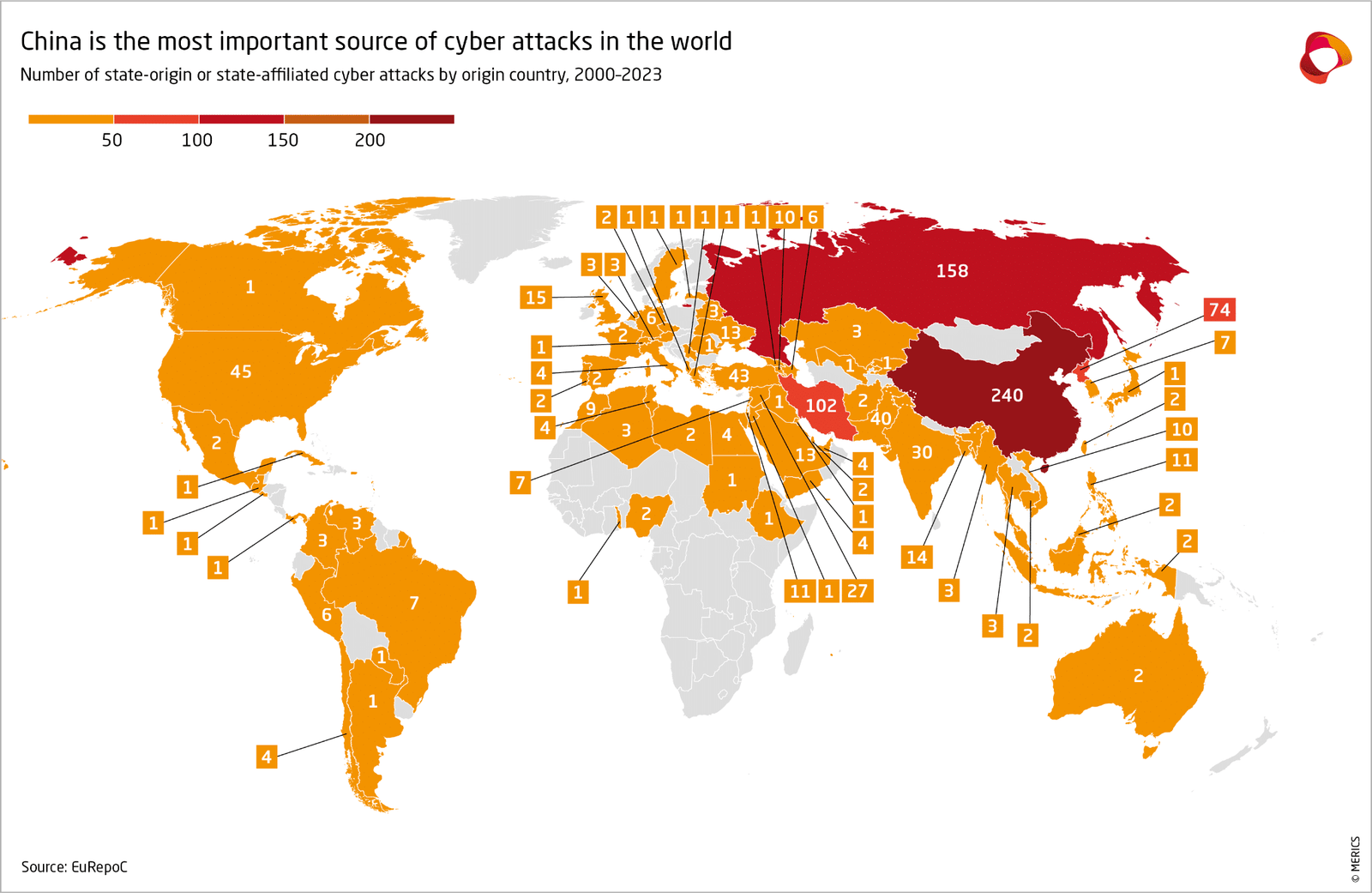
Beyond ransomware, governments increasingly deploy hacker groups for strategic espionage and sabotage. China has been accused of targeting intellectual property and industrial secrets to accelerate domestic technological growth. Russia has repeatedly used cyber operations against Ukraine, disrupting power grids and government services. North Korea, under strict international sanctions, is widely believed to use hacking not only for intelligence but also to steal cryptocurrency to fund its nuclear program.
These campaigns often exploit the blurred line between military and criminal activity. When a hospital network or financial exchange is paralyzed by a hacking group, is it a crime, an act of war, or both? Attribution—the process of identifying the perpetrator—remains a central challenge, giving states the cover they need to operate in the shadows.
The Attribution Problem
Unlike conventional warfare, cyberattacks rarely leave clear evidence of origin. Attackers use proxies, spoofed IP addresses, and compromised machines spread across continents. Even when intelligence agencies are confident about the source, public attribution is fraught with political risk.
For example, the United States and its allies formally attributed the WannaCry ransomware outbreak in 2017 to North Korea. But it took months of technical investigation and diplomatic coordination before such a declaration was made. This delay demonstrates how states can benefit from the ambiguity of cyberspace—conducting disruptive campaigns while buying time through the fog of attribution.
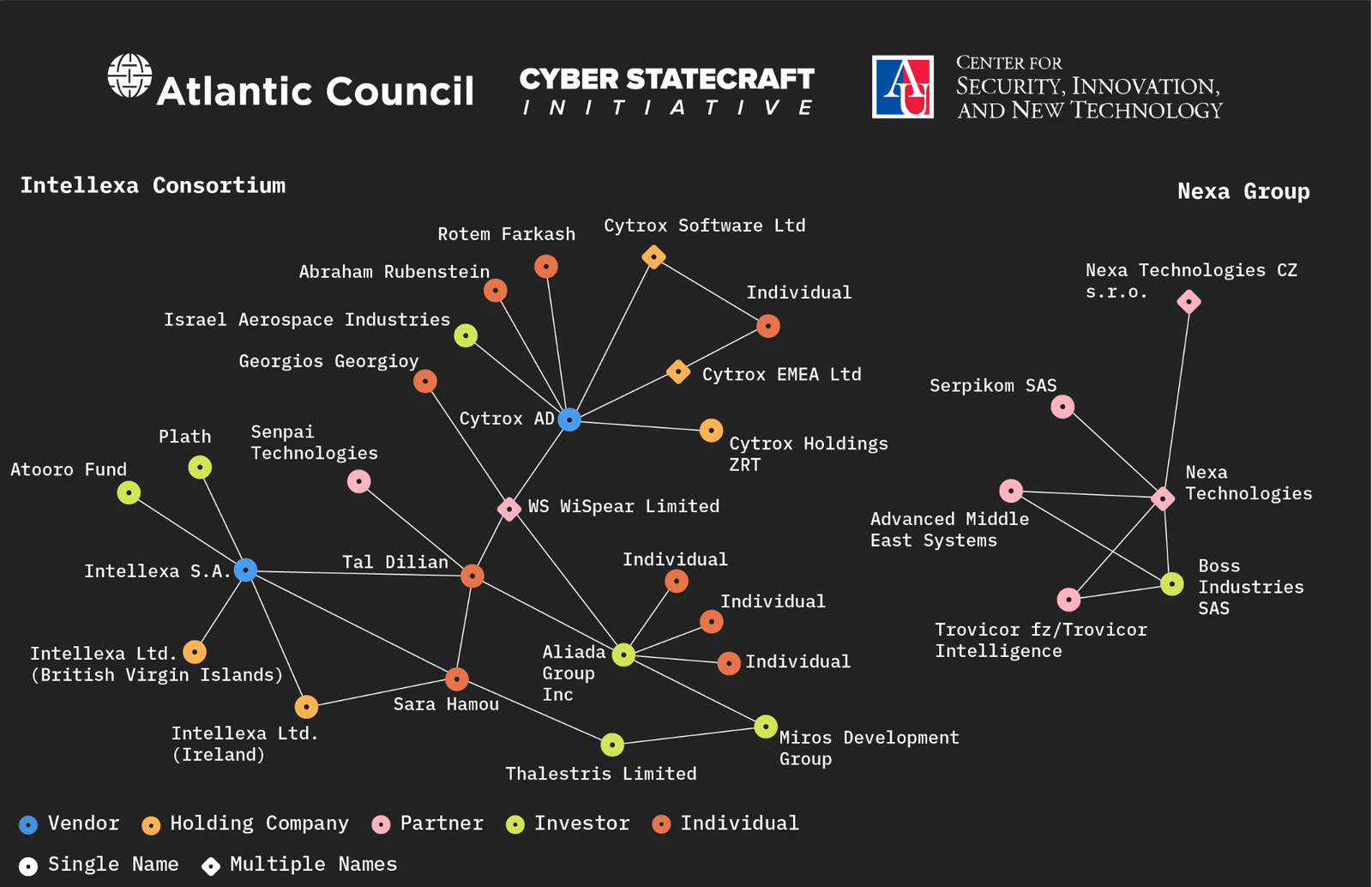
This attribution dilemma enables states to employ cybercriminal groups as de facto contractors, encouraging them through funding, protection, or tacit approval. By framing their operations as independent criminal activity, states can achieve plausible deniability even when their fingerprints are obvious to experts.
You May Like To Read: ICC Warns RSF Atrocities in Sudan’s El-Fasher May Constitute War Crimes and Crimes
Proxy Warfare in Cyberspace
The use of cybercrime as proxy warfare mirrors patterns seen in the physical world. Just as states have historically armed insurgent groups or militias to fight their battles indirectly, they now cultivate hacker collectives.
- Russia’s “patriotic hackers” have targeted Baltic states, NATO servers, and U.S. institutions.
- Iran’s cyber units have been linked to attacks on banks and Saudi oil infrastructure.
- China’s APT (Advanced Persistent Threat) groups operate with such scale and organization that many analysts believe they could not exist without state sponsorship.
This alignment of state interest and criminal action complicates global security, as it makes distinguishing between ordinary cybercrime and state-sponsored aggression increasingly difficult.
Legal and Governance Challenges
International law has struggled to adapt. The Tallinn Manual, a non-binding academic study on how international law applies to cyber warfare, acknowledges the difficulty of distinguishing state action from private crime in cyberspace. While the United Nations has attempted to create norms for state behavior, enforcement remains elusive.
Financial institutions and private companies, often the primary victims, bear the burden of defense. Unlike conventional attacks, where states are obligated to protect their citizens, the digital domain forces private actors to shoulder national security responsibilities. This shift raises uncomfortable questions about sovereignty and accountability in the digital age.
The Weaponization of Ambiguity
Perhaps the most insidious aspect of cybercrime as proxy warfare is the weaponization of ambiguity. States thrive in the gray zone between war and peace, exploiting uncertainty to avoid accountability while inflicting real economic and political damage on adversaries.
This ambiguity is not accidental—it is a feature. By tolerating or encouraging criminal groups, states can maintain the façade of innocence while signaling power and intent. Such tactics align with the broader trend of “gray-zone warfare,” where states seek to achieve strategic objectives below the threshold of open conflict.
You May Like To Read: President Trump Urges Voters to Block ‘Communist’ Zohran Mamdani, Warns of Federal Funding Cuts
Toward a New Cyber Order
As cybercrime and statecraft converge, the global community faces a stark choice: either adapt international law and governance mechanisms to account for proxy cyber warfare, or accept a world where digital conflict is normalized. This would mean recognizing ransomware not just as a criminal act but as a potential tool of state aggression, and holding governments accountable for the actions of groups they harbor or sponsor.
Emerging proposals include international cyber tribunals, sanctions against states that shelter hacker groups, and cooperative defense frameworks. Yet, these initiatives face obstacles: mistrust between major powers, the technical difficulty of attribution, and the political value states derive from cyber ambiguity.
The line between cybercrime and statecraft is eroding fast. What used to be dismissed as isolated criminality is now part of a broader strategy of proxy warfare. The rise of ransomware, state-backed hacking, and the attribution problem underscore the urgent need for new norms and cooperative frameworks.
In the absence of effective governance, cyberspace risks becoming a domain where criminality is statecraft, and statecraft is criminality. For the Global South and North alike, the stakes are not just about data breaches or stolen cryptocurrency, but the future of sovereignty, security, and trust in a hyperconnected world.
You May Like To Read: Saudi Crown Prince Mohammed bin Salman to Visit President Trump at White House on November 18