

European leaders are struggling to respond to a rapidly changing global order after the United States forcibly removed Venezuelan president Nicolás Maduro, exposing deep divisions across the continent over power, principle, and international law.
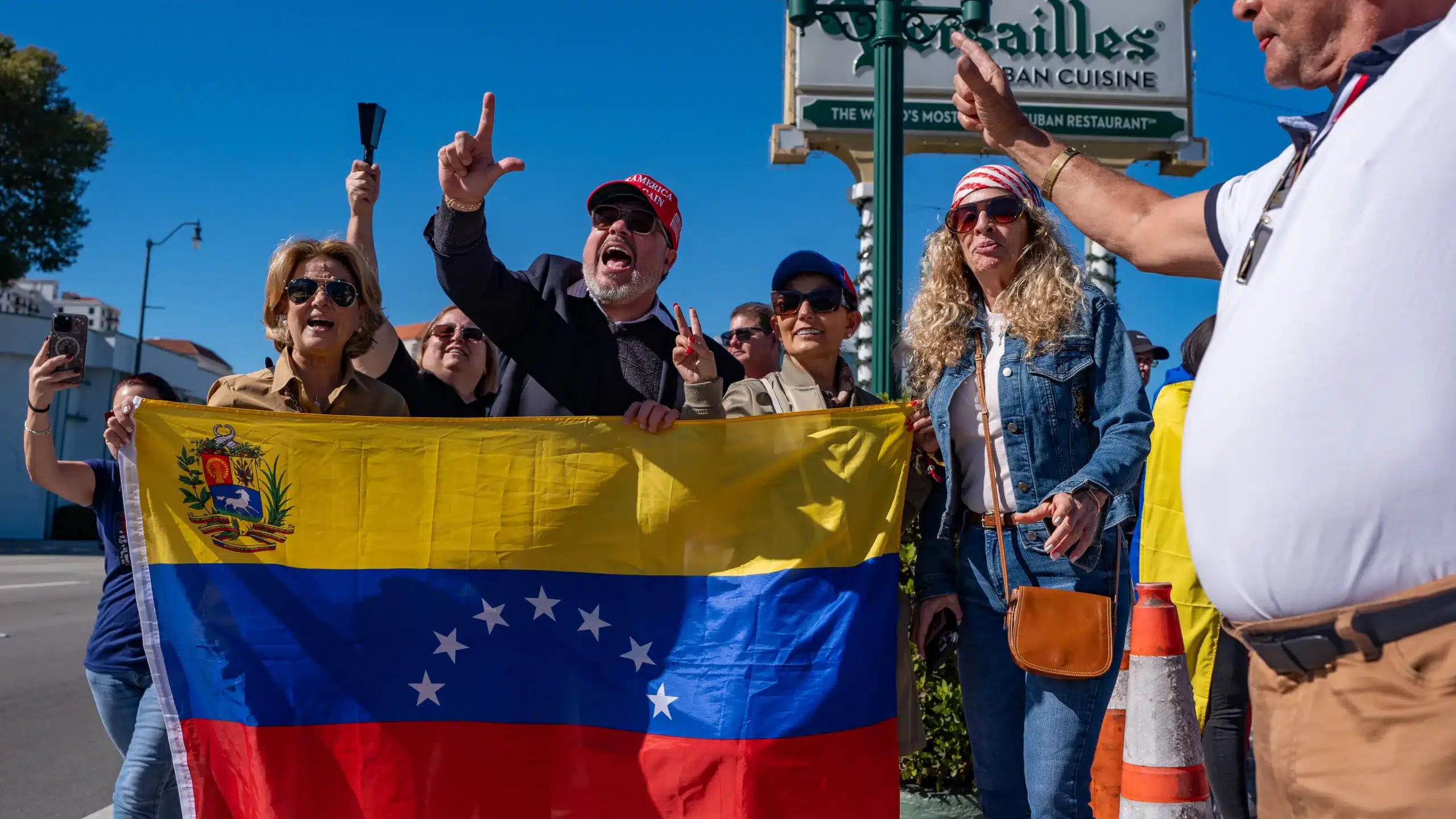
Many European governments welcomed the end of Maduro’s rule, which they have long viewed as illegitimate following disputed elections in 2024. At the same time, they are uneasy about the way the United States carried out the operation, including President Donald Trump’s claim that Washington would now control Venezuela and its oil resources.
X post: https://x.com/MarioNawfal/status/2008030697433288882?s=20
European officials have tried to shift attention toward the idea of a democratic transition in Venezuela. However, Trump’s rejection of opposition leader María Corina Machado has created discomfort, as she has been depicted as a symbol of democratic change by European governments.
Legal experts warn that the US action challenges the foundations of international law. While Washington has justified the operation as self-defence linked to drug trafficking, prominent scholars argue that this reasoning stretches the UN Charter beyond recognition and risks normalising the use of force for political ends.
Europe’s response has been cautious and fragmented. Greece’s prime minister avoided discussing legality altogether, while Italy described the operation as a defensive intervention. Other leaders, including Germany’s chancellor and the heads of EU institutions, called for restraint and respect for international law without directly condemning the US.
France showed the sharpest split. President Emmanuel Macron welcomed the end of Maduro’s rule but avoided mentioning the US raid, while his foreign minister openly said the operation violated the principle of non-use of force. Britain expressed little sympathy for Maduro but remained vague on legal questions.
Behind the careful language lies fear of alienating Washington at a time when US support remains crucial for Ukraine. Critics argue that Europe is witnessing the erosion of a rules-based system, replaced by a world where major powers act openly in their own interests.
As Trump hints at further action in the region, including threats toward Cuba, Europe faces a stark question: whether international law still guides global politics, or whether it is becoming a casualty of a new era where power outweighs rules.