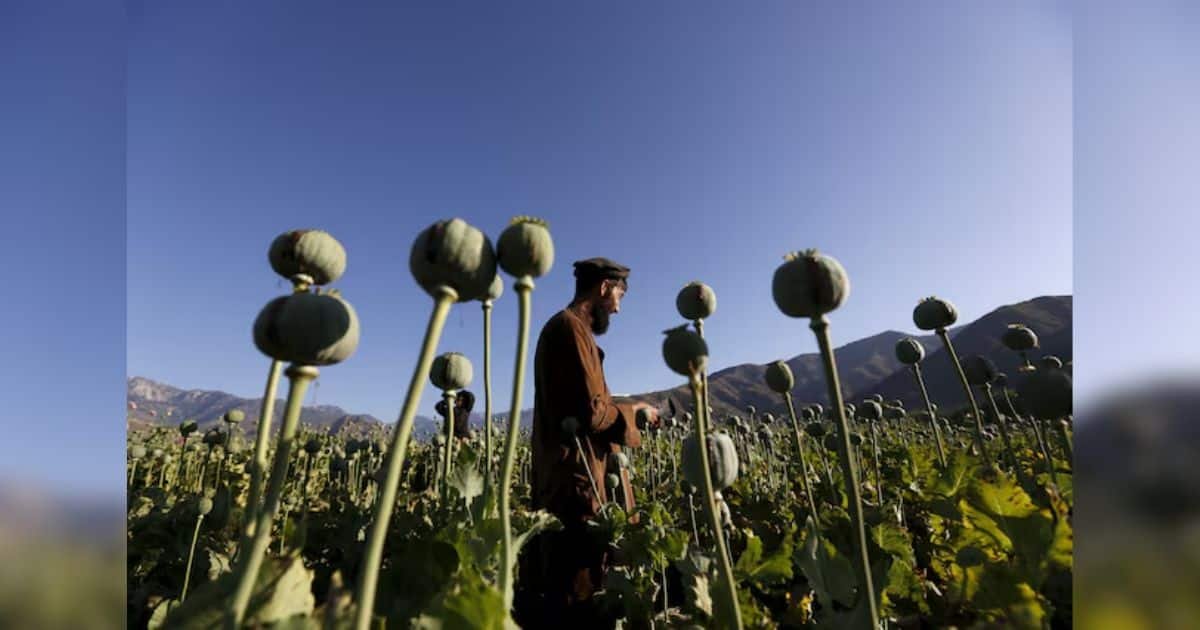





Opium farming in Afghanistan has dropped sharply following a nationwide ban imposed by the Taliban in 2022, according to a new United Nations report. The UN Office on Drugs and Crime (UNODC) said opium cultivation fell by 20% since last year, while total opium production dropped by 32%.
Afghanistan once produced more than 80% of the world’s opium, with heroin made from Afghan poppies dominating the European market. But the Taliban banned opium cultivation, calling it un-Islamic and harmful. Despite facing serious economic hardship, most farmers have obeyed the order.
Opium farming in Afghanistan shrank by a fifth in 2025, UN survey finds https://t.co/VVlu5nI9Ee https://t.co/VVlu5nI9Ee
— Reuters (@Reuters) November 6, 2025
The UN report said only about 10,200 hectares of land were used for poppy cultivation this year, compared with more than 200,000 hectares before the ban. Provinces like Badakhshan still grow small amounts, but others such as Balkh, Farah, Laghman, and Uruzgan have been declared poppy-free.
However, many farmers struggle to survive without profitable alternatives. Some continue to grow poppies secretly, risking arrest. “If we obey, we face hunger; if we disobey, we face prison,” one farmer said. The UNODC also warned that as opium production declines, trafficking in synthetic drugs like methamphetamine is rising, with seizures up 50% in late 2024.
You May Like To Read: Trump Administration Revokes 80,000 US Visas in Broad Immigration Crackdown
Check out our latest video: