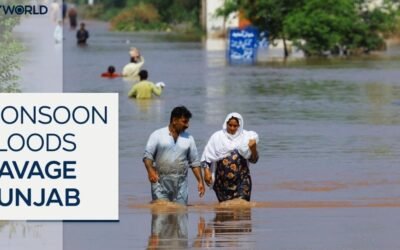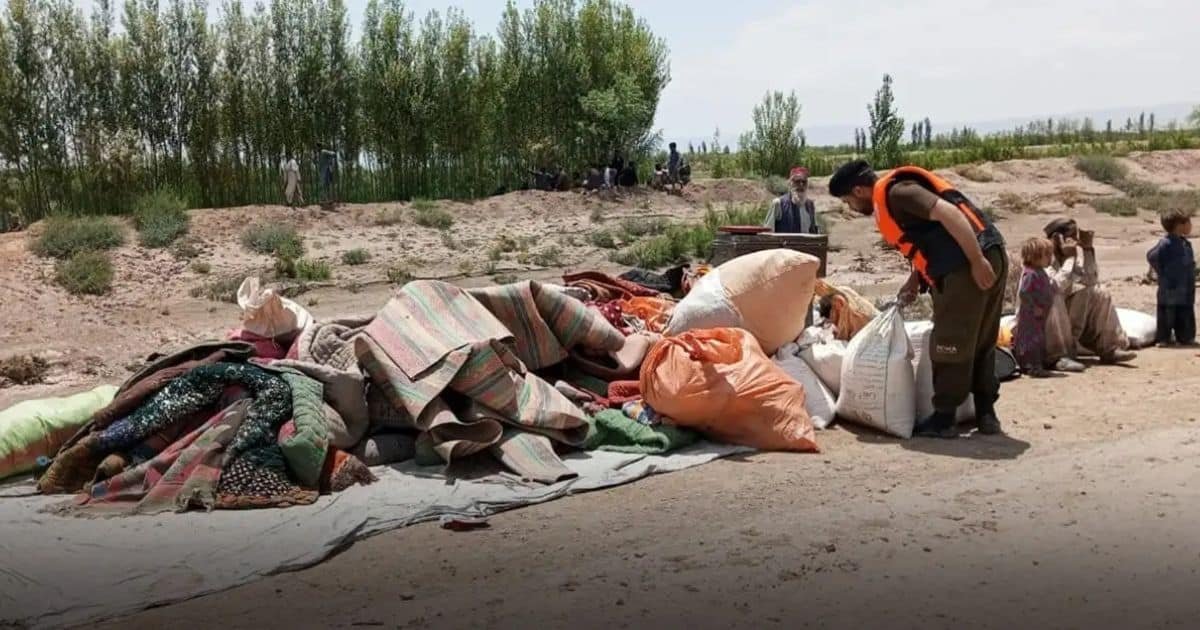





In the face of unprecedented monsoon floods, the Punjab government, led by Chief Minister Maryam Nawaz Sharif, has initiated the largest rescue and relief operation in the province’s history. With the full backing of the Pakistan Army, the effort is an all-hands-on-deck response to a crisis that has left millions displaced and countless communities reeling.
Senior Provincial Minister Marriyum Aurangzeb described the scale of the disaster, noting that floods from the Chenab, Ravi, and Sutlej rivers have “wreaked havoc,” affecting over 4.2 million people. In a grim update, she confirmed that 56 lives have been lost and that more than 1.496 million acres of crops have been washed away. Yet, amidst the destruction, there is a powerful story of resilience. Over 2.2 million residents have been safely evacuated, marking a monumental achievement for the rescue teams on the ground.
A Coordinated Response in Full Swing
The government’s response is both swift and strategic. Ms. Aurangzeb painted a picture of a well-oiled machine, with 494 medical camps and 413 relief sites established to provide immediate assistance. The effort extends beyond human aid; over 1.6 million livestock have been “safely relocated,” supported by more than 500 veterinary clinics. Since late August, the operation has been in a “full swing,” with field hospitals, mobile clinics, and specialized health vans running around the clock, distributing essential supplies like clean water, food, and medicine.
“We are watching avoidable diseases spread while officials scramble for damage control.” This observation from an environmental analyst in Lahore highlights the critical nature of the health crisis brewing beneath the surface of the floodwaters. Despite officials’ insistence that “no patient will be left untreated,” a “grim reality lurks” in the flood-stricken districts. Patients are reportedly “left to fend for themselves in disease-ridden waters” due to overwhelmed health units and a shortage of medicine. In response, Health Minister Khawaja Imran Nazir insists the government is prepared, with “medical teams on 24-hour alert” and “Clinics on Wheels” providing care.
On the Ground: A Tale of Two Realities
While the provincial government highlights impressive rescue figures, the reality on the ground in some districts, such as Hafizabad and Kasur, tells a “far more unsettling story.” Reports from the field indicate that many villages remain “cut off,” with relief measures reaching them only sporadically. A health worker in Narowal, requesting anonymity, shared that they are treating “dozens of patients in tents without enough supplies,” adding that “official tallies don’t match the situation here.”
The public health disaster is confirmed by official health records, which show more than 15,400 cases of dengue, diarrhea, malaria, and skin diseases detected across Punjab in the past month. The World Health Organization (WHO) has warned of “grave risks” of epidemic outbreaks, stressing the “urgent need for clean water, sanitation, and an uninterrupted supply of medicines.” Aid groups on the ground confirm that conditions remain “unsanitary,” with stagnant floodwater breeding mosquitoes and raising the likelihood of diseases like cholera and dysentery.
A Future Shaped by Resilience
The catastrophic floods have exposed “weaknesses in infrastructure and planning” in the face of a monsoon season that has brought 26% more rainfall than last year. The government and the armed forces, however, are showing an unwavering commitment to the communities affected. With the deployment of additional machinery and teams, and with real-time monitoring enabling strategic shifts, the hope is to “redirect water away from populated areas” and prevent further devastation.
As the province battles on, the unified efforts of the government, the military, and aid workers are a testament to the resilience of the people of Punjab. The message is clear: the fight is on, and the commitment to recovery is absolute.
You May Like To Read: