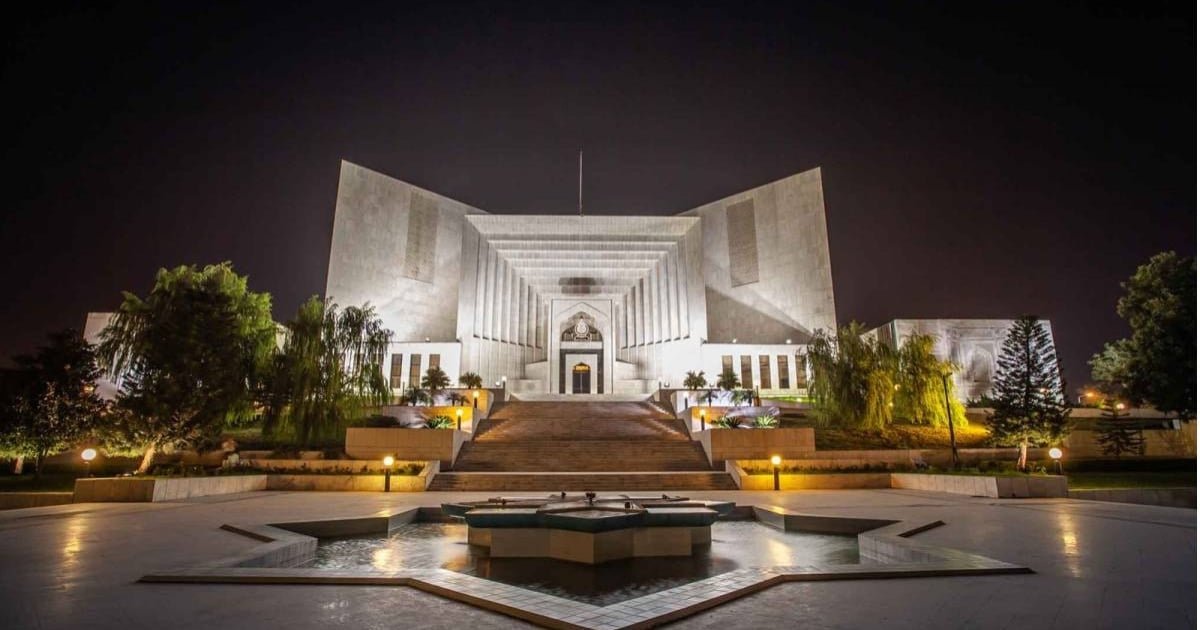





The court system has been slow and inefficient in Pakistan, with cases of politicians taking too long and claims of corruption. Millions of cases are pending, which has turned out to be a major obstacle to justice. Delayed trials and inaccessibility of legal justice hurt the citizens and erode trust in the system. However, the 18th Amendment opened up a big chance to change the structure of the judicial system to enable more devolution of powers to the local governments. But has this resulted in actual betterment?
Root Causes of Judicial Inefficiency and Corruption
Delayed cases in Pakistani courts are not a recent concern. It has been around for many decades, and there are millions of cases awaiting trial at nearly every court in the land. This huge backlog is caused by several factors:
You May Like To Read: Women in Governance: Breaking Barriers for Gender Equality in Pakistan’s Politics
Insufficient Judges and Court Infrastructure
The judiciary in Pakistan is affected by an extreme lack of judges. In a particular area, a single judge might act on hundreds or sometimes even thousands of cases, which is not efficient to handle. Many parts of the country also lack sufficient court infrastructure to manage their cases effectively.
Slow Legal Processes
In Pakistan, legal processes are frequently delayed due to regular adjournment of cases, failure of attorneys to prepare, and ignorance of lawyers. These delays are typically years long, and many cases end up stalled in the procedural zone before ever resolving.
Political Interference and Corruption
The other serious problem in the judicial system of Pakistan is corruption. Political influence in the courts has caused biased judgments in certain cases, and judicial appointments are sometimes a form of politics. It brings about accountability and poor operating practices.
Over-reliance on Traditional Methods
The judicial systems in Pakistan are still largely manual in terms of case registration and maintenance of records. This outdated system is slow and prone to human error, corruption and loss of documents.
You May Like To Read: Pakistan’s Diplomatic Balancing Act in the Middle East
Proposed Reforms to Strengthen Pakistan’s Judicial System
In order to deal with these problems, a number of major reforms should be proposed. Such reforms need to work towards enhancing efficiency, accountability and access to the judicial system and make it free of corruption.
Increase the Number of Judges and Court Staff
Judicial shortage is an alarming issue that needs to be resolved as soon as possible. The government ought to invest in hiring more judges and staff. Besides this, special courts might be formed to address certain kinds of cases, like commercial or family disputes, so that they relieve general courts.
Digital Transformation of Courts
Digitalization of court procedures can make the handling of cases far more efficient. The implementation of a centralized case management system will enable tracking cases with greater ease and enhance coordination across courts. Online hearings and e-filing should be adopted to minimize delays occasioned by the paper filing system. This process could be further streamlined by the use of AI in aid of scheduling and document management. This conversion would cut the chances of lost papers and manual errors and make the system more transparent and efficient.
Chief Justice of Pakistan Justice Yahya Afridi on Tuesday said that Chinese judicial technology will be introduced in Pakistan to help clear the backlog of court cases,#chiefjusticeofpakistan #YahyaAfridi #Says #Chinese #Judicial #Technology #used #resolve #Pending #Cases pic.twitter.com/8b81Ga6wy7
— Voiceup Pakistan (@VoiceupPakistan) May 6, 2025
Judicial Accountability and Oversight
Accountability of the judiciary is crucial to rebuilding people’s trust in the system. Separate judicial oversight agencies ought to be created to check on the performance of the judges and advocates, check corruption and inefficiency at any level. There can also be increased transparency through public access to records of case progress and judicial conduct.
The Judicial Commission of Pakistan must be given powers to regularly audit court functioning and ensure judges are answerable in terms of delays and misconduct.
Political and Legal Reform to Ensure Independence
The independence of the judiciary must also be established by law and practice to minimize political influence. The powers of the judiciary, executive, and legislature ought to be well separated, and the future judicial appointees as well as rulings ought to be made based on merit but not politics.
Furthermore, the process of impeachment of corrupt or inefficient judges should be shut down and made more open and more democratic. It will promote accountability and decrease corruption in the judiciary.
Judicial Independence and Accountability: Striking the Right Balance
Though judicial independence needs to be enhanced, reform should not be advanced at a loss to accountability. Balancing between the independence of judges and accountability for malpractices and poor output by judges is a major concern that should be addressed.
Strengthening Internal Accountability Mechanisms
The judicial system in Pakistan should enhance its internal mechanisms of accountability in order to monitor the progress of cases and rectify delays on time. Internal inspection departments might also check the duration of case resolution and inquire about improper delay or blockage. In addition, the Code of Conduct of the Judges should be applied strictly, and all judges have to act in compliance with the same requirements of integrity and professionalism.
However, the 26th Constitutional Amendment, which alters the composition of the Judicial Commission of Pakistan, has introduced political influence in judicial appointments, potentially undermining judicial independence and accountability. This change needs careful oversight to ensure it does not compromise the system’s effectiveness.
Encouraging Public Participation
Judicial oversight can also be increased through public participation. The citizens must be allowed to monitor case status online and make complaints to delays or misconduct. The gap between the public and the courts can be bridged through public fora like town hall meetings with the judiciary.
Strengthening Legal Education
Pakistan needs to professionalise the legal profession further so that the ethical standards of lawyers are held to the highest order. The judicial system could cut off mismanagement and corruption by reorganizing law schools and training lawyers to be well-skilled in ethical conduct.
You May Like To Read:Quetta Lecturer Exposed: India-Backed FAH’s Baloch Proxies Foiled Again
Case Studies: Khyber Pakhtunkhwa vs. Punjab
Devolution in the provinces of Pakistan has reported mixed outcomes. Compared to Punjab, Khyber Pakhtunkhwa (KP) has been more active in conducting judicial reforms. KP has also incorporated technology into its court system and has tried to establish special courts to handle a particular category of cases.
Punjab, on the other hand, has been faced with bureaucratic resistance and a lack of investment in judicial infrastructure. The judicial system has not been coordinated with the provincial government, creating delays and inefficiency within the legal system.
The success of KP in comparison with the delay in Punjab is because it involved local accountability, greater judicial appointments, and the digitalisation of court proceedings, whereas greater political will and coordination are required among stakeholders within Punjab.
Conclusion: A Path Forward for Pakistan’s Judicial Reforms
The court system in Pakistan plays a prime role in supporting justice and the rule of law. But unless the system is reformed to eliminate the backlog and inefficiency, and corruption, people will again be served very poorly by the system meant to serve them. A more effective and transparent judicial system can be achieved via proposed reforms such as strengthening judicial capacity, digital transformation, accountability, and judicial independence.
Pakistan should also realise that justice delayed means justice denied, and the only way to guarantee that justice is promptly delivered is through a modern, accountable and efficient judicial system.