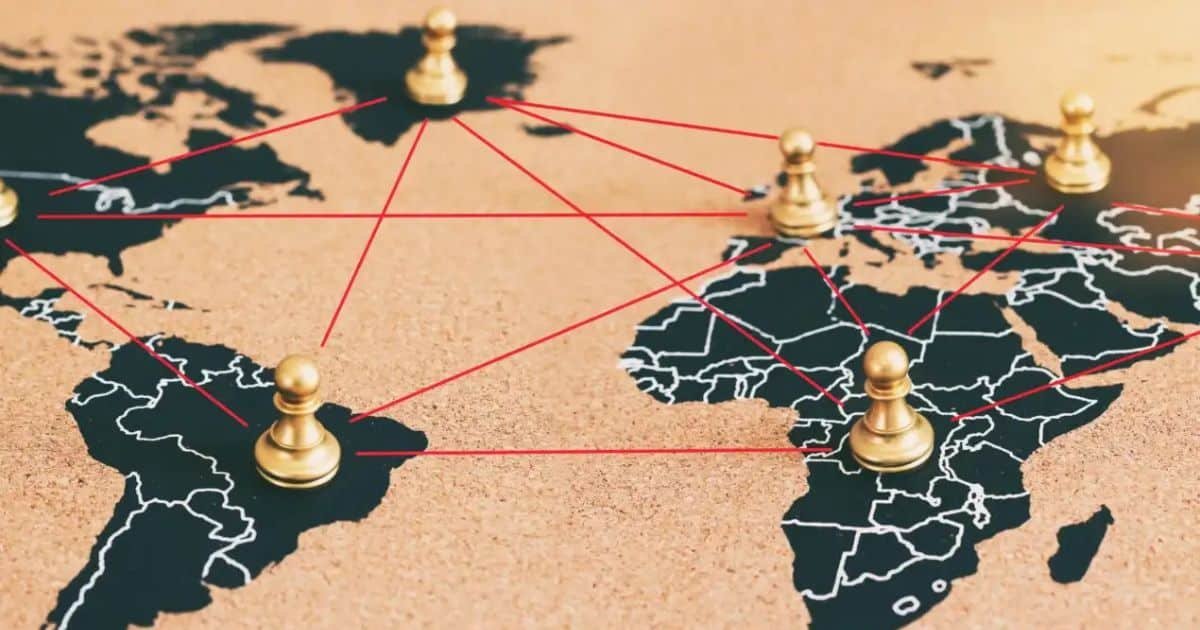




Gulf states are reshaping their foreign policies. Saudi Arabia, the United Arab Emirates and Qatar have steadily moved from a narrow dependence on Washington toward a broader pragmatic diplomacy that includes deeper ties with China, Russia and regional rivals such as Iran. This is not a sudden collapse of relations with the United States, but a deliberate diversification aimed at protecting economic interests and managing regional risks.
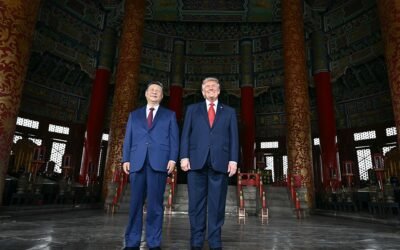
Saudi Arabia’s Strategic Outreach to China
Riyadh’s outreach to Beijing is now a central feature of its strategy. Trade and investment ties with China have expanded rapidly in recent years, with Chinese firms and capital playing a role in Saudi infrastructure, petrochemicals and technology projects. At the same time, Saudi economic policy is guided by Vision 2030, which pushes for diversification and foreign partnerships beyond traditional Western sources. These moves reflect a calculation that China’s economic clout can help Riyadh accelerate national projects and secure long-term investment.
You May Like to Read: Middle Powers in Flux: States Like Türkiye, Saudi Arabia, and South Korea Are Redefining Global Diplomacy
UAE’s Balancing Act Between Global Powers
The UAE has pursued a pragmatic line. Abu Dhabi has deepened commercial and political ties with Moscow, hosting investment talks and signing trade agreements, even while maintaining important ties with the United States. The Emirates has sought to be an open hub: attracting Russian capital, expanding economic links with China and preserving security relations with Washington. This multi-vector approach gives the UAE flexibility, allowing it to broker deals, host mediation efforts and protect economic interests across competing blocs.
You May Like to Read: Shifting Spheres of Influence: Is Pakistan Tilting Toward a Gulf–Asia Axis in a Multipolar World?
Qatar’s Role as Diplomatic Mediator
Qatar has developed a distinct role as a mediator and a diplomatic balancer. Doha’s hosting of key U.S. military facilities sits beside its growing engagement with China and Russia and its independent regional diplomacy. Qatar’s mediation efforts, from Gaza to Ukraine, and its relations with Iran have given it standing as a state that can open channels where larger powers find it difficult. That diplomatic currency has real strategic value in a fragmented region.
Declining U.S. Centrality and the Search for New Partners
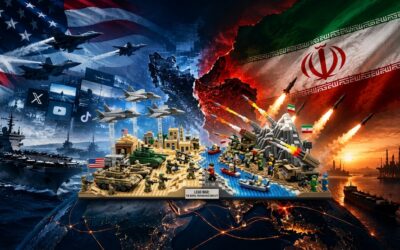
These shifts have been sharpened by events that exposed limits of U.S. protection and the evolving priorities of Gulf capitals. The dynamics around Israeli operations, Iranian responses and attacks in the region have prompted some Gulf leaders to question whether a single great power guarantee is sufficient. Gulf public statements increasingly call for restraint and regional solutions, and official moves reflect a search for partners who can deliver economic investment and diplomatic cover without forcing zero-sum choices.
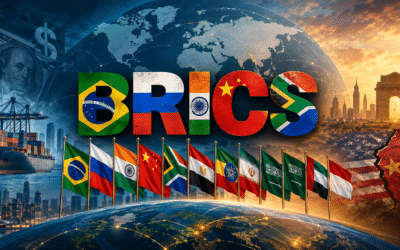
You May Like to Read: De-dollarization: Can Shifts in Global Currency Dynamics Reshape Pakistan’s Trade Prospects?
Economic Drivers Behind the Realignment
Economics is a key driver. Saudi Arabia’s energy strategy and Aramco’s production capacities remain vital to world markets, and Riyadh is using its resources to attract diverse investment. The IMF and other international institutions are forecasting stronger growth for the Kingdom as its non-oil reforms gain traction, which strengthens Saudi bargaining power. For the UAE, growing trade and investment links with Russia and Asia have reinforced its image as a commercial pivot between East and West.
You May Like to Read: Future of OPEC: Can Oil Cartels Survive in a Renewable Energy Era?
The United States Still Matters; But Not Alone
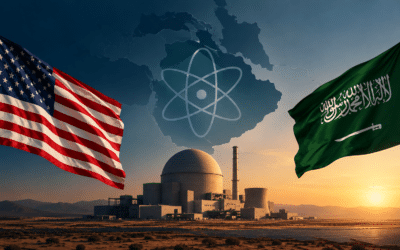
This turn toward multipolar diplomacy does not mean the United States is irrelevant. Washington still supplies critical security guarantees, weapons systems and influence. Many Gulf states continue to host U.S. bases and cooperate with U.S. forces. What has shifted is the sense that U.S. support alone is insufficient to meet economic ambitions or to shield states from regional fallout. Gulf governments are therefore hedging, preserving ties with Washington while building alternative relationships that offer economic leverage, diplomatic space and strategic redundancy.
Risks and Realities of Multipolar Diplomacy
There are real risks. Engaging multiple major powers can provide short-term gains but also increases exposure to great power rivalry. Deepening economic ties with China and proximity to Russia may complicate military cooperation with the United States or create friction when Moscow or Beijing take positions at odds with Gulf interests. Closer ties with regional rivals like Iran can yield de-escalation but also provoke critics worried about compromise on security or regional demands.
Implications for Pakistan
For Pakistan, the Gulf’s recalibration matters directly. Pakistani diplomats and policymakers should view Gulf diversification as an opportunity to expand bilateral economic ties, attract investment and strengthen labour and remittance links. At the same time, Islamabad must remain sensitive to shifting fault lines: managing relations with the United States while deepening cooperation with Gulf states and their new partners will require nimble diplomacy that protects Pakistan’s security and economic interests.
You May Like to Read: Pakistan’s Balancing Act in the Evolving Middle East
Concluding: A New Era of Pragmatic Balance
In short, the Gulf’s move toward multipolar diplomacy is pragmatic and driven by local priorities: economic security, regional stability and flexibility. It reflects an era when Middle Eastern states prefer diversified portfolios of partnerships over exclusive dependence on a single ally. For Islamabad and others watching closely, the lesson is clear: successful foreign policy in this era will be about balance, not alignment, and about turning strategic independence into tangible benefits at home. The region’s future will remain contested, negotiable.