



India-Pakistan Indus Waters Treaty: Framework Under Strain
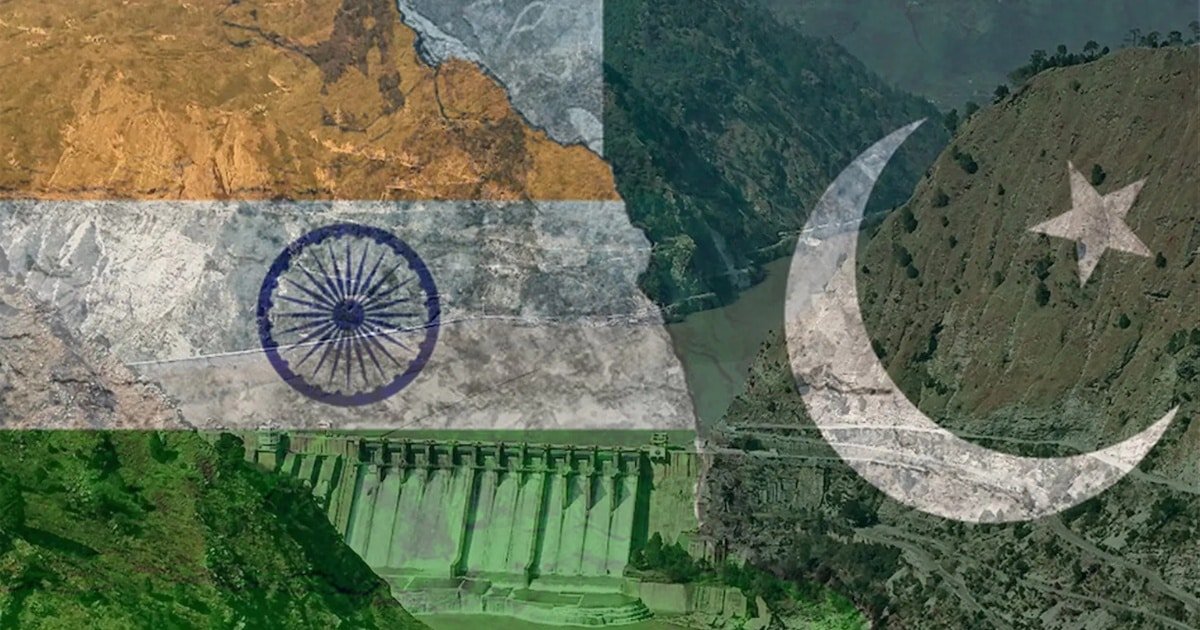
In 1960, India and Pakistan signed the Indus Waters Treaty, an international water treaty mediated by the World Bank. The rivers of the Indus system were partitioned in the treaty between the two countries. India was assigned the eastern rivers of Ravi, Beas, and Sutlej, and Pakistan the western rivers of Indus, Jhelum, and Chenab.
This agreement held significance in that it lowered the possibility of a water conflict. Even in times of war and tension, the treaty has proven crucial to maintaining peace and stability in both nations.
However, over the last few years, things have worsened. India is constructing new dams and water developments on the western rivers. India claims that such projects are part of the treaty on electricity and flood control, but Pakistan is worried they will also slow down the flow of water to its fields. This has raised suspicion and a lot of controversy, endangering the treaty.
You May Like To Read: President Asif Ali Zardari Assents to Anti-Terrorism (Amendment) Bill, Bolstering National Security Framework
The Water Management, and Dam Projects of India
India has established and developed dams along the rivers that flow into Pakistan. The well-known projects include the Salal Dam, Baglihar Dam, and Kishanganga Dam. In India’s eyes, such projects are valuable since they provide electricity, facilitate water availability for farms, and help control floods. The proper use of river water is a priority for a large and developing economy.
But these projects are of concern to Pakistan. It is feared that India may block the water of this reservoir at a time when Pakistan needs almost everything the most, or it may burst out and flood. Although the Indian authorities will claim that the undertakings are within the Indus Waters Treaty, the lack of trust between the two nations makes any new dam a point of contention.
Vulnerability of Pakistan Floods
The risk of floods returning to Pakistan increases as heavy monsoon rains interact with the large water outflows from Indian dams. Floods such as the Chenab and the Jhelum are rising, and Punjab and Sindh face a great threat due to this. Officials have already issued warnings and begun evacuating some districts; however, thousands of families remain at risk.
Tara, relying on fertile river water, agriculture is directly threatened by the country’s water situation. Standing crops are already destroyed by floods in most places, which also puts strain on the already poor Pakistani economy and food supply. To these farmers who lost everything in the 2022 floods, the threat of repeating the tragedy is certainly tangible.
The situation is worsened by the limited flood management mechanisms that exist in Pakistan. Faulty embankments, the absence of good dams, and ineffective disaster response expose millions of people. Pakistan, in this prevailing crisis, feels vulnerable to both nature and upstream decisions directed towards it by India. To many of us, the issue of water has become a matter of survival and national security.
Climate Change, and Rivers
Due to climate change exacerbating the situation, the release of water by India, in addition to the present flood convulsion risks facing Pakistan, is a potential concern. Himalayan glaciers are melting at an accelerated rate, and monsoon rain has become stronger and more erratic. Pakistan has once again witnessed excessive rainfall in most parts of the country, and due to raids across the border, rivers such as the Chenab and Jhelum have become extremely hazardous this year.
Climate change is forming a cycle of extremes: too much water and too little water. In times of high-flow rivers, you can find homes and crops being ruined by floods; in times of low flow, you can find people facing the threat of drought because of the lack of food. Both India and Pakistan are experiencing the changes, but Pakistan is more susceptible due to poor infrastructure and overreliance on agriculture.
Due to shared rivers, no single state can find solutions to climate-related issues. To better manage disasters, Pakistan requires early alerts and the exchange of information with India, as well as shared goals for planning the river to reduce the occurrence of disasters together with India. Floods and droughts would continue to batter the region with each passing year, regardless of cooperation, and survival would become even more challenging for millions of people.
Diplomacy, Disputes, and Dialogue
One of the issues that has become very sensitive between India and Pakistan is water. The Indus Waters Treaty was created to mitigate strife, but today it is being put to the test with surplus water releases, dams, and the danger of flooding. Pakistan has complained repeatedly at international forums, and India still maintains that its projects are within the stipulations of the treaty. This level of mistrust is perpetual, making it difficult to communicate.
With Pakistan facing floods and food insecurities in the current crisis, water has become a question of life and death. Most people in Pakistan feel that India is kicking back with its upstream control leverage, and India wants to claim it is just addressing its needs. All these differences create a political stumbling block, where both parties talk at cross-purposes and not in partnership.
In the future, there is no alternative to cooperation. Early warning systems, along with the more frequent sharing of management data, would save thousands of lives and prevent gigantic losses if data were exchanged more often. It may also involve international organizations, such as the World Bank, which were once engaged in the process of framing the treaty. Water can serve as an avenue of cooperation rather than conflict, provided that the two countries address issues through dialogue rather than disputing them. However, floods and shortages will continue to plague Pakistan as long as mistrust persists, making water a permanent flashpoint in South Asia.
You May Like To Read: Pakistan’s Top Leadership Presents a United Diplomatic Front at SCO Summit 2025