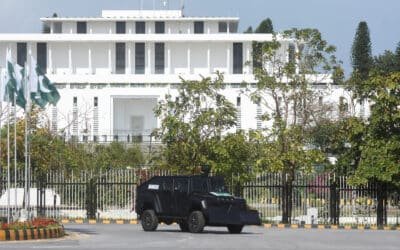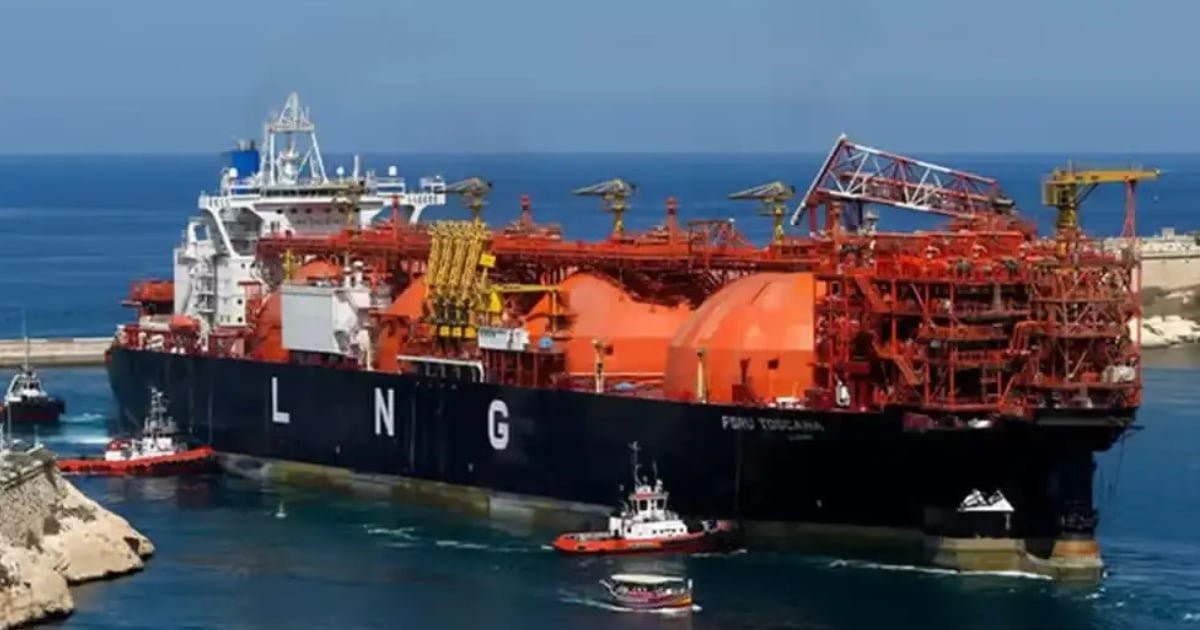





Pakistan is plummeting into a “rapidly destructive” energy crisis as the U.S.-Israel war on Iran chokes off critical liquefied natural gas (LNG) supplies. Following a force majeure declaration by QatarEnergy, the nation, which relied on Qatar for 99% of its LNG imports last year is now facing a total system strain. Both of Pakistan’s major import terminals have slashed operations to mere fractions of their capacity, with officials warning that stocks could be entirely exhausted by the end of March. Efforts to secure emergency shipments from the U.S., Azerbaijan, or Africa have failed as global spot prices doubled to $23 per MMBtu since the conflict began on February 28.
For Pakistan, with nearly total dependence on Gulf LNG and limited storage buffers, the immediate concern is physical supply security — a shock that could quickly translate into higher power outages, industrial disruption and renewed economic stress.https://t.co/uDdsnU5I6i
— Dawn.com (@dawn_com) March 19, 2026
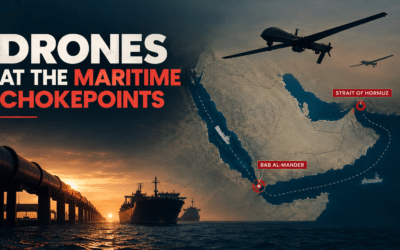
The crisis is compounded by the effective blockade of the Strait of Hormuz, forcing vessels into longer, more expensive routes. Energy Minister Awais Leghari confirmed that the government has been forced to implement “demand management,” prioritizing the fertilizer sector to protect food security while potentially curbing supply to other industries. With Qatar’s production halted by regional strikes and alternative markets prohibitively expensive, Pakistan may be forced back toward costly furnace oil to prevent a total grid collapse. Industry leaders warn this instability isn’t temporary, predicting a “very difficult year” followed by several more of extreme volatility if regional supply routes do not reopen soon.
You May Like To Read: Federal Arts Panel Approves Trump Commemorative Gold Coin
Check out our latest video: