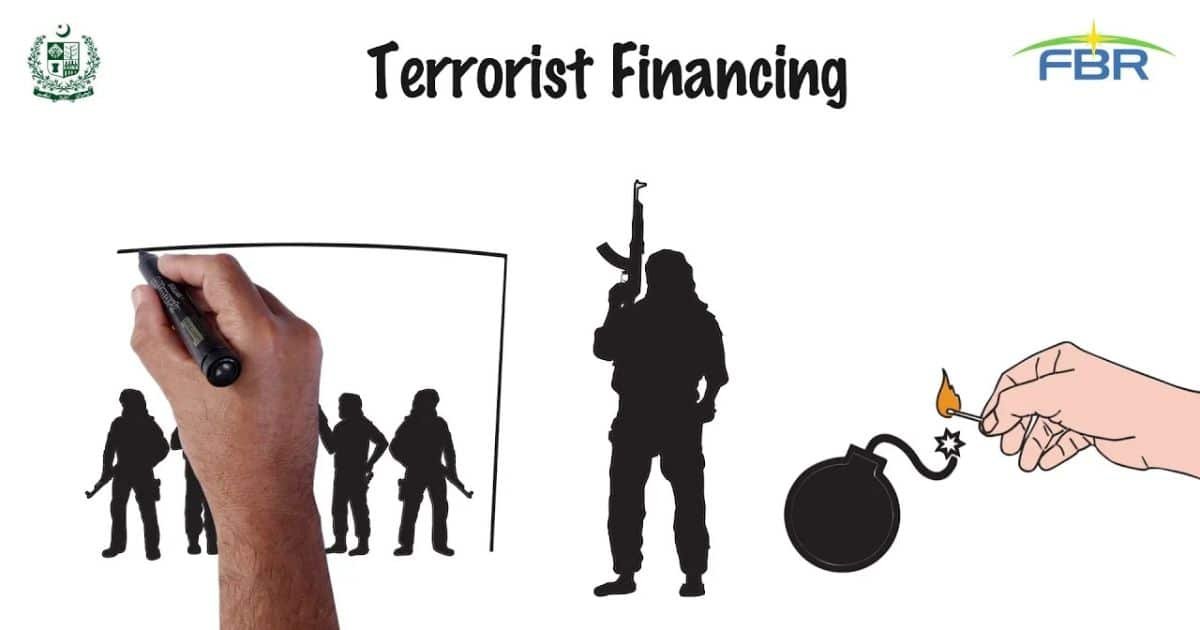




Money laundering is the process of making illegally obtained money appear legal by passing it through various transactions. Terror financing involves collecting and moving funds to support terrorist acts, even if the money comes from legal sources. In Pakistan, these two crimes form a dangerous connection. Criminals use money laundering techniques to hide funds that finance terrorism. This nexus threatens national security, weakens the economy, and harms Pakistan’s global image. Pakistan has faced international scrutiny for years due to weak controls on these activities. According to the Financial Action Task Force (FATF), a global body fighting financial crimes, Pakistan has made progress but still faces risks. In 2022, Pakistan was removed from the FATF’s grey list after improving its laws. However, the 2025 FATF report highlights ongoing threats, including state-linked terror funding patterns. This article explores the scale, operations, and efforts to combat this issue. Understanding this nexus is key to protecting Pakistan’s future.
The Scale of the Problem in Pakistan
Pakistan struggles with a large volume of money laundering, which fuels other crimes like terror financing. Reports estimate that Pakistan loses about $10 billion each year to money laundering activities. This figure comes from illicit financial flows, including tax evasion and smuggling. The International Monetary Fund (IMF) notes that globally, 2% to 5% of GDP is laundered, which for Pakistan’s economy (around $400 billion in 2025) means $8 billion to $20 billion annually. In Pakistan, common methods include using informal banking systems like hawala, real estate, and trade-based schemes.
Terror financing adds to this burden. The FATF’s 2025 Comprehensive Update on Terrorist Financing Risks points out Pakistan as a high-risk area due to persistent terrorist groups exploiting financial systems. Conviction rates for terror financing cases vary across provinces, with low numbers in some areas due to weak investigations. For example, in 2024, Pakistan reported several cases involving e-commerce platforms and online payments abused for terror funds, a trend continuing into 2025. The U.S. State Department’s 2025 International Narcotics Control Strategy Report mentions varying conviction rates for money laundering and terror financing cases in Pakistan. These crimes weaken the financial system and support groups like those in border regions. International bodies like the Asia/Pacific Group on Money Laundering (APG) monitor Pakistan’s efforts, noting progress but gaps in enforcement.
How the Nexus Operates
The link between money laundering and terror financing in Pakistan is complex and dangerous. Terror groups raise funds through donations, extortion, and drug trafficking, then launder them to avoid detection. Hawala networks, which transfer money without formal records, are widely used. These informal channels move billions across borders, especially to Afghanistan and India. Trade misinvoicing, where import/export values are falsified, hides illicit funds in legitimate business.
In 2025, digital methods have grown. The FATF report warns of e-commerce sites and cryptocurrencies being abused for terror financing. For instance, platforms allow small donations that seem harmless but fund attacks. State sponsorship is another concern; the 2025 FATF update highlights patterns where government-linked entities may indirectly support terror groups. This nexus allows terrorists to buy weapons, train fighters, and plan operations. A UNODC workshop in Peshawar in 2025 trained officials on countering these methods through mock trials. The danger lies in how laundered money sustains violence, destabilizing regions like Khyber Pakhtunkhwa. Without strong borders and digital oversight, this cycle continues, affecting innocent lives and the economy.
You May Like To Read: FIA Crackdowns on Hundi-Hawala, and Human Smuggling Networks
Government Efforts and Challenges
Pakistan has taken steps to fight money laundering and terror financing, but challenges remain. The Anti-Money Laundering Act of 2010 and updates under the National AML-CFT Committee aim to strengthen controls. The Federal Investigation Agency (FIA) handles cases, with standard operating procedures updated in 2025 for better investigations. Pakistan’s exit from the FATF grey list in 2022 was a milestone, showing improved laws on terror financing under the Anti-Terrorism Act 1997.
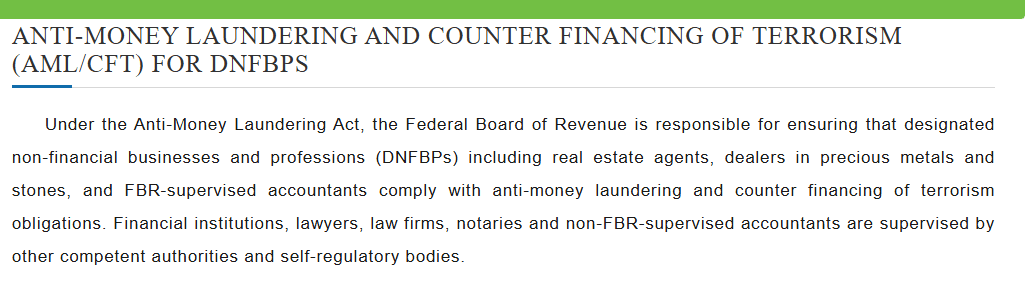
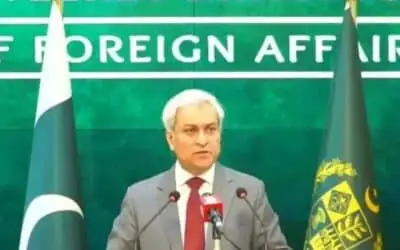
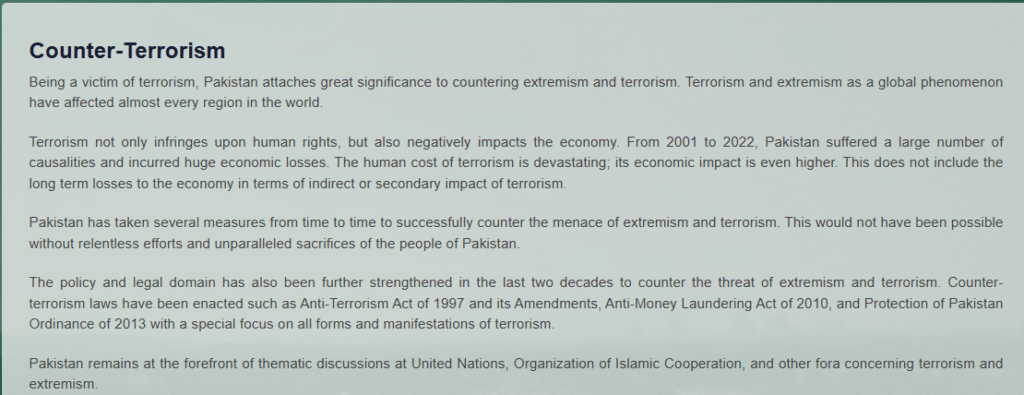
However, implementation is weak. Corruption, political interference, and limited resources hinder progress. The IMF’s 2025 report on Pakistan praises data collection but urges more action on monthly reporting starting July 2025. International pressure from FATF and UNODC pushes for better prosecutions. In May 2025, leaders from FATF, Interpol, and UNODC called for critical measures against illicit profits from drugs and fraud. Challenges include porous borders and informal economies. Pakistan’s Ministry of Foreign Affairs emphasizes counter-terrorism, but experts say more training and technology are needed. Balancing these efforts with economic growth is tough, yet essential for stability.
Conclusion
The dangerous nexus of money laundering and terror financing in Pakistan poses severe risks to security and development. As discussed, billions are laundered annually, supporting terrorist activities through hawala, digital tools, and trade schemes. Despite exiting the FATF grey list and enacting laws, ongoing challenges like weak enforcement and state-linked risks persist, as noted in the 2025 FATF report. This connection not only funds violence but also drains the economy, affecting ordinary citizens.
To break this nexus, Pakistan must enhance investigations, boost convictions, and adopt advanced tech for monitoring. International cooperation with bodies like FATF and UNODC is vital. Strong political will, anti-corruption drives, and public awareness can help. If addressed, Pakistan can build a safer financial system and regain global trust. The stakes are high—failure means continued instability, while success promises prosperity for all. Governments, businesses, and citizens must unite to end this threat once and for all.
You May Like To Read: The Symbiosis of Crime, and Terror