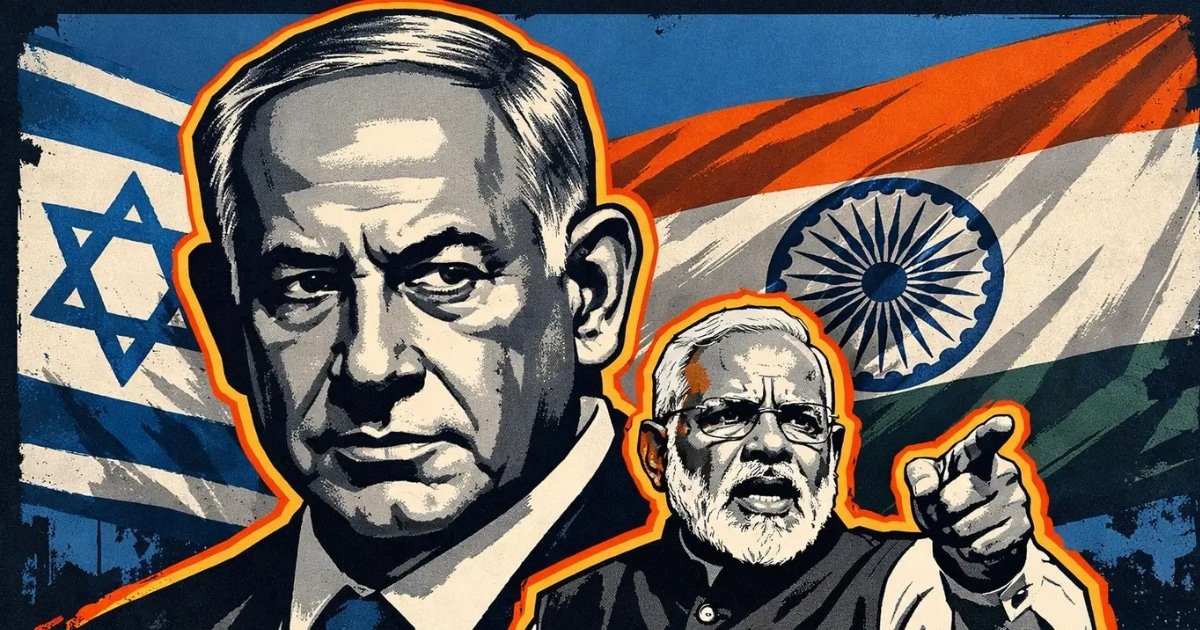


The red-carpet reception for Indian Prime Minister Narendra Modi in Tel Aviv this week was more than a diplomatic formality; it was a loud proclamation of a shifting global order. As Modi and Benjamin Netanyahu—two leaders currently navigating intense international scrutiny—embraced, they signaled the birth of a strategic architecture that threatens to permanently alter the security calculus of South Asia and the Middle East.
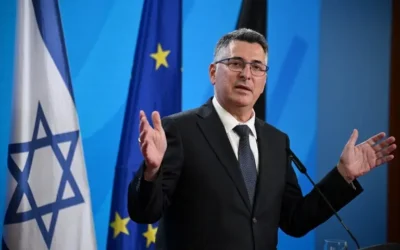
At the heart of this shift lies Netanyahu’s “Hexagon of Alliances,” a framework that positions India as the eastern anchor of a bloc designed to counter what Tel Aviv terms “radical axes.” For Pakistan, this alignment represents a “pincer movement” of diplomacy and defense technology that demands an urgent recalibration of its “America First” and “Middle East-centric” foreign policies.
#WATCH | Jerusalem, Israel: Prime Minister Narendra Modi and Israeli Prime Minister Benjamin Netanyahu visit Yad Vashem – The World Holocaust Remembrance Centre in Jerusalem.
PM Modi paid tribute to Holocaust victims here.
(Source: ANI/DD News) pic.twitter.com/bsXkvQ3IRc
— ANI (@ANI) February 26, 2026
The Hexagon Doctrine: Targeting the ‘Radical Sunni Axis’
Netanyahu’s “Hexagon”—comprising Israel, India, Greece, Cyprus, and select Arab and African states—is explicitly designed to counter two fronts: the “Radical Shia Axis” (Iran and its proxies) and an “Emerging Radical Sunni Axis.”
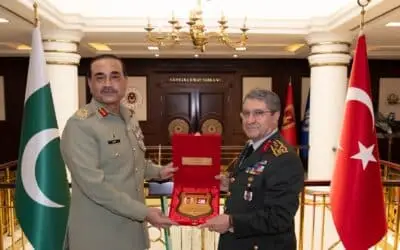
Analysts suggest this “Sunni Axis” refers to a burgeoning security bloc led by Turkey, Saudi Arabia, and Pakistan. In September 2025, Islamabad and Riyadh formalized a Strategic Mutual Defence Agreement, a move that Turkey is reportedly keen to join. To Israel, this trilateral cooperation among the Muslim world’s most potent military powers represents a strategic threat.
“Pakistan is undeniably in the crosshairs of this ‘radical’ label,” says Umer Karim of the King Faisal Center. “Israel views the security synergy between Islamabad, Ankara, and Riyadh as a barrier to its regional dominance, and it is using India to balance that scale.”
The May 2025 Precedent: A Tech-Driven Conflict
The urgency of Pakistan’s concern is rooted in the “Four-Day Aerial War” of May 2025. During that conflict, India deployed Israeli-origin drone platforms and loitering munitions with devastating effect.
Key Defense Developments in the 2026 Visit
-
Iron Beam Integration: India is reportedly seeking the Iron Beam, Israel’s 100kW-class high-energy laser weapon (inducted Dec 2025). This would provide India with a near-zero-cost-per-shot defense against Pakistan’s drone and missile salvos.
-
Classified Hardware Framework: A new agreement is expected to lift restrictions on “previously restricted” Israeli military tech, potentially including AI-driven offensive cyber-capabilities and quantum-encrypted communications.
-
Two-Way Arms Flow: The relationship has evolved; Indian firms supplied critical explosives to Israel during the 2024 Gaza campaign, creating a “mutually dependent” military-industrial complex.
PM Modi defended Israel’s genocide in Gaza, saying India stands by the country “with full conviction” — despite the killing of more than 72,000 Palestinians https://t.co/PDsJSr3qMf pic.twitter.com/SuVSmU8YrD
— Al Jazeera English (@AJEnglish) February 25, 2026
The Intelligence Nexus: RAW and Mossad
The historical cooperation between RAW and Mossad, which dates back to the 1960s, is entering a “high-definition” phase. Former Ambassador Masood Khalid warns that the institutionalization of intel-sharing on counter-terrorism and “Islamic radicalism” allows India to frame its bilateral issues with Pakistan within the global “War on Terror” narrative favored by Israel. This “poisoning of the well” makes it increasingly difficult for Islamabad to maintain a neutral standing in Western capitals.
Nexus and Coopeartion between Indian and Israeli Secret Agencies, R&AW and Mossad
The Gulf Balancing Act: A Diplomatic Tightrope
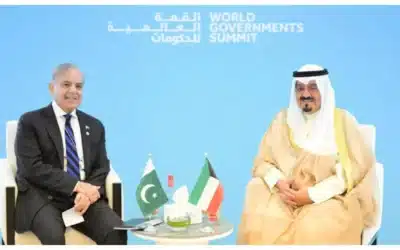
The most precarious arena for Pakistan is the Gulf. While Pakistan has the Saudi Defense Agreement, its other “brotherly” partner, the UAE, signed a strategic pact with India in January 2026.
This creates a fragmented landscape:
-
Economic Dependency: Pakistan remains reliant on UAE and Saudi “safe deposits” (like the $2bn UAE rollover currently under technical review with the IMF).
-
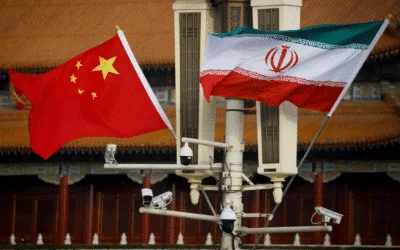
Geoeconomic Strategy: To counter the India-Israel-UAE axis, analysts argue Pakistan must pivot toward Central Asia, Russia, and Iran.
-
The Iran Factor: With the US and Israel pressing for “regime change” in Tehran, Pakistan has positioned itself as a diplomatic bridge, fearing that a total collapse of Iran would leave its western border permanently unstable.
Pakistan’s “Firewall” and Strategic Leverage
Despite the formidable nature of the India-Israel partnership, Islamabad is not without defenses. Former Ambassador Masood Khan notes that Pakistan has built a “strategic firewall”:
-
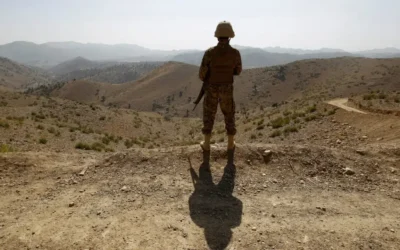
Kinetic Pushback: The ability of the Pakistan Air Force to blunt Indian aggression in May 2025 remains a primary deterrent.
-
US Re-engagement: Over the last year, Pakistan has successfully “thawed” its relationship with Washington, ensuring it is not completely isolated.
-
Nuclear Deterrence: As the only nuclear-armed Muslim state, Pakistan remains the ultimate “unsolvable variable” in Israel’s regional planning.
You May Like To Read: Pakistan Grapples with Surge in Militant Attacks, Rising Suicide Bombings
Conclusion: The Road Ahead
The Modi-Netanyahu summit confirms that the era of “balanced” South Asian diplomacy is over. India has chosen its side in the Middle Eastern schism, and in doing so, has linked Pakistan’s security directly to the fate of the “Sunni Axis.” For Islamabad, the challenge of 2026 will be to ensure that its geoeconomic goals—trade with Central Asia and Russia—are not sacrificed at the altar of this new, high-tech “Hexagon.”
Check out our latest video: