


High-stakes indirect negotiations aimed at finalizing a Gaza ceasefire and prisoner exchange reached a pivotal phase today as U.S. special envoy Steve Witkoff and U.S. President Donald Trump’s son-in-law, Jared Kushner, joined the ongoing talks in Egypt.
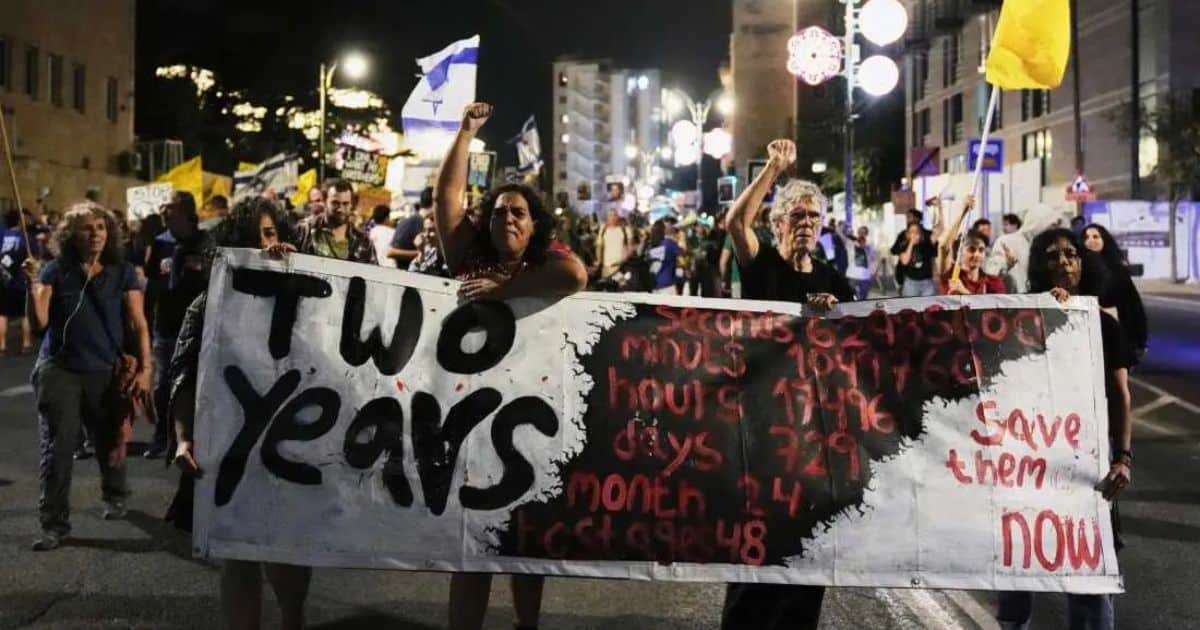
The U.S. delegation’s arrival, confirmed by Egypt’s Foreign Minister Badr Abdelatty, comes on the two-year anniversary of Israel’s renewed conflict with Gaza, as key mediators—including the Prime Minister of Qatar—work to overcome significant gaps between the Israeli and Hamas positions.
‼️INFOGRAPHIC – Hamas presents ceasefire demands in Cairo: Full Israeli withdrawal, unrestricted aid, fair prisoner swap, reconstruction, and safe return of Gazans displaced amid genocide.
Follow: https://t.co/B3zXG74hnU pic.twitter.com/AeJBelApnC
— Press TV 🔻 (@PressTV) October 7, 2025
Hamas Sets Out Conditions for Agreement
Despite President Trump’s expressed optimism about the possibility of peace, the negotiations face immediate obstacles following a public statement from senior Hamas official Fawzi Barhoum. While affirming the group is working to reach a deal based on the Trump plan, Barhoum outlined stringent, non-negotiable conditions:
- Permanent Ceasefire: A comprehensive and lasting cessation of hostilities.
- Full Withdrawal: A complete and unconditional withdrawal of Israeli forces from the entire Gaza Strip.
- Reconstruction: The immediate start of comprehensive reconstruction under the supervision of a Palestinian “national technocratic body.”
These demands for a full withdrawal directly conflict with Israel’s stated objective of maintaining security control and eliminating Hamas’s military capabilities, which the group vows to maintain through armed resistance.
You May Like To Read: Pakistan’s BRICS Opportunity: Diplomacy, Trade, and Realignment
Mediators Press for Immediate Ceasefire
The complexity of the negotiations was highlighted by key mediator Qatar, whose foreign ministry spokesman Majed al-Ansari questioned Israel’s continued military operations.
“Regarding the ceasefire, this question should be directed first to the Israeli occupation government,” al-Ansari stated, questioning why Israel had not already ceased operations in line with President Trump’s public directive to “immediately stop the bombing of Gaza.”
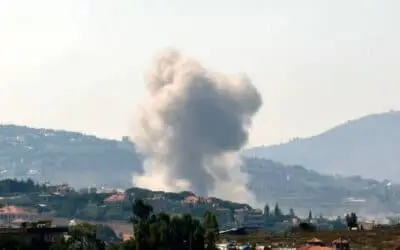
Meanwhile, violence continues in the enclave, with residents in Khan Younis and Gaza City reporting new attacks by Israeli tanks, planes, and boats in the early hours of Tuesday.
The U.S. delegation, led by Witkoff, is tasked with helping to narrow these gaps. President Trump, speaking from the Oval Office, expressed confidence, noting he sees a “possibility that we could have peace in the Middle East” extending beyond the immediate crisis in Gaza.
The talks continue with international backing for the overall principles of the US-led plan, but the crucial details—especially concerning the permanent end to fighting and the future status of Israeli forces in Gaza—signal a difficult and potentially lengthy diplomatic process ahead.
You May Like To Read: Future of OPEC: Can Oil Cartels Survive in a Renewable Energy Era?