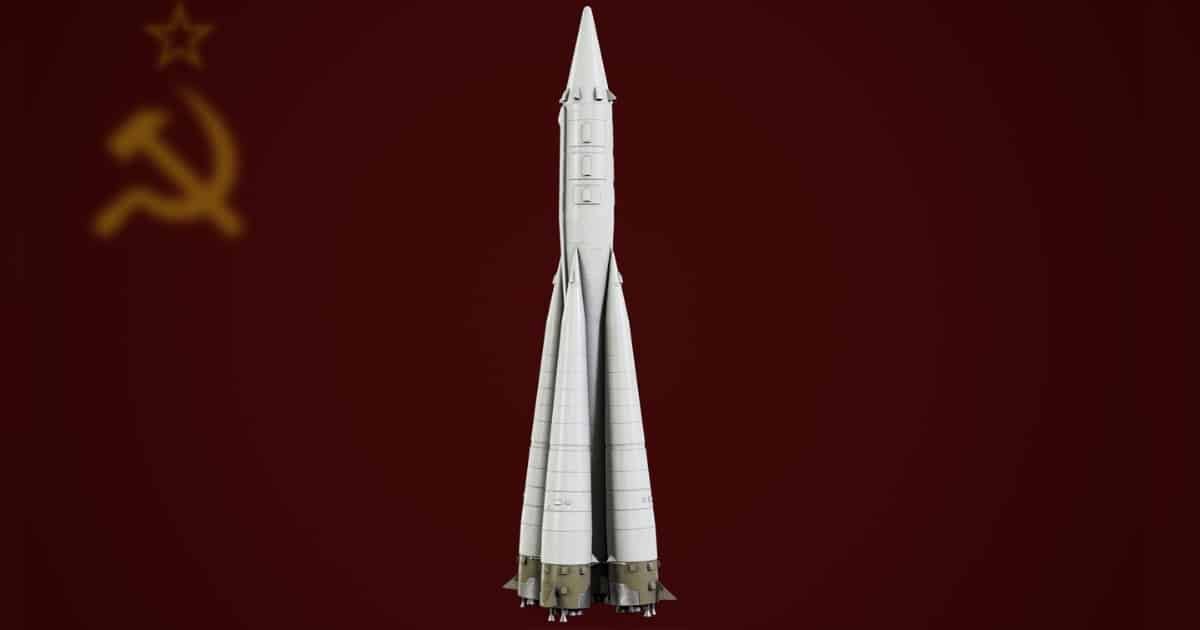





The nuclear weapons invented and used by the United States after World War II granted it an atomic monopoly, which provided it with a strong influence in global politics. But the Soviet Union soon got started on its own nuclear program and would not be left behind. In the late forties and in the early fifties, the two superpowers started to test atomic and then hydrogen bombs, which made the rivalry even more hazardous. This competition of long-distance missile strength led the Soviet Union to make its breakthrough in 1957 with the invention of the first Intercontinental Ballistic Missile (ICBM) in the world.
You May Like To Read: Pakistan and Iran Reaffirm Commitment to Eradicate Terrorism, Secure Common Borders
The Test of August, 1957
On August, 1957, the Soviet Union successfully launched the R-7 Semyorka, becoming the first ever Intercontinental Ballistic Missile (ICBM). These became history as it was the first time that the missile could travel thousands of kilometers and launch a nuclear warhead on the other continent.
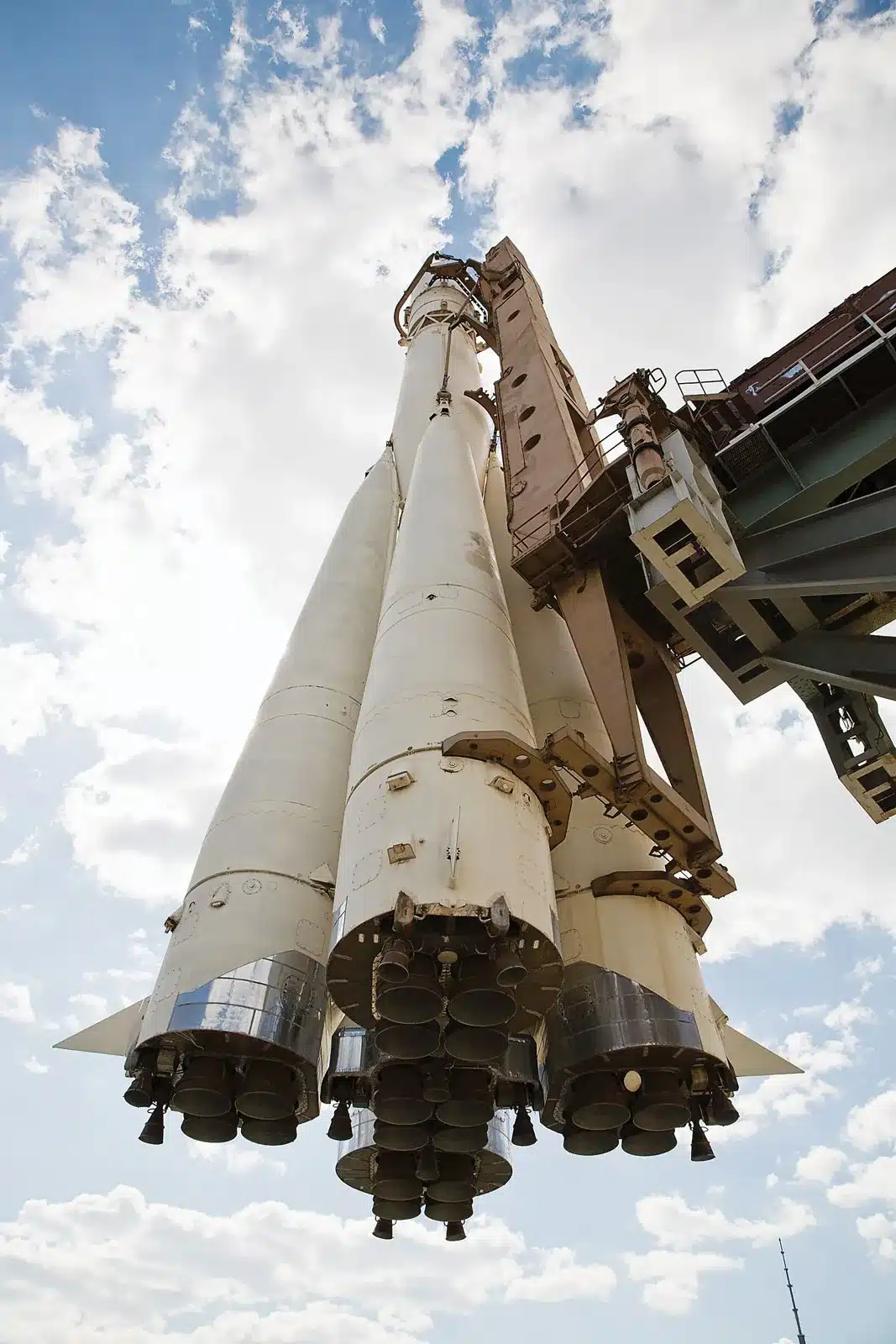
The R-7 was a giant rocket, massively big compared to missiles that had been tested before. In the course of the test, it was launched at a launch site in Kazakhstan and covered its target at least 6,000 kilometers away. Although at the time the model was not quite ready to be used in normal battles by the military day-to-day, the test was successful in that it demonstrated that the Soviet Union had managed to do what the world had never seen- the capability of attacking anywhere, even across oceans.
Short-Term Responses, and the Worldwide Effect
The announcement of the test of the ICBM of the Soviet Union was a world stunner, and the United States resisted it more than anything. Until then, many in America thought that they were much ahead in missile technology. The launching of the R-7 was a success, and this put the belief into shape and instilled fear and urgency. People, politicians, and military leaders in the U.S. were afraid that now Soviet Union could bomb American cities directly. Newspapers characterized it as a significant change of power, and the term the missile gap became commonplace when it came to the fear that the U.S. was losing the fight. The test turned out to be a tremendous success in science and politics for the Soviet Union. It raised their confidence and provided them with increased leverage in international affairs.
The Connection with the Space Race, and Sputnik
The victory of the R-7 missile was not only relevant for military value but also for space exploration. That rocket that delivered nuclear warheads could also be used to put objects in space. Within a few weeks of the ICBM test, the Soviet Union launched Sputnik 1 using the R-7, the first artificial satellite to be launched, back in October 4, 1957.
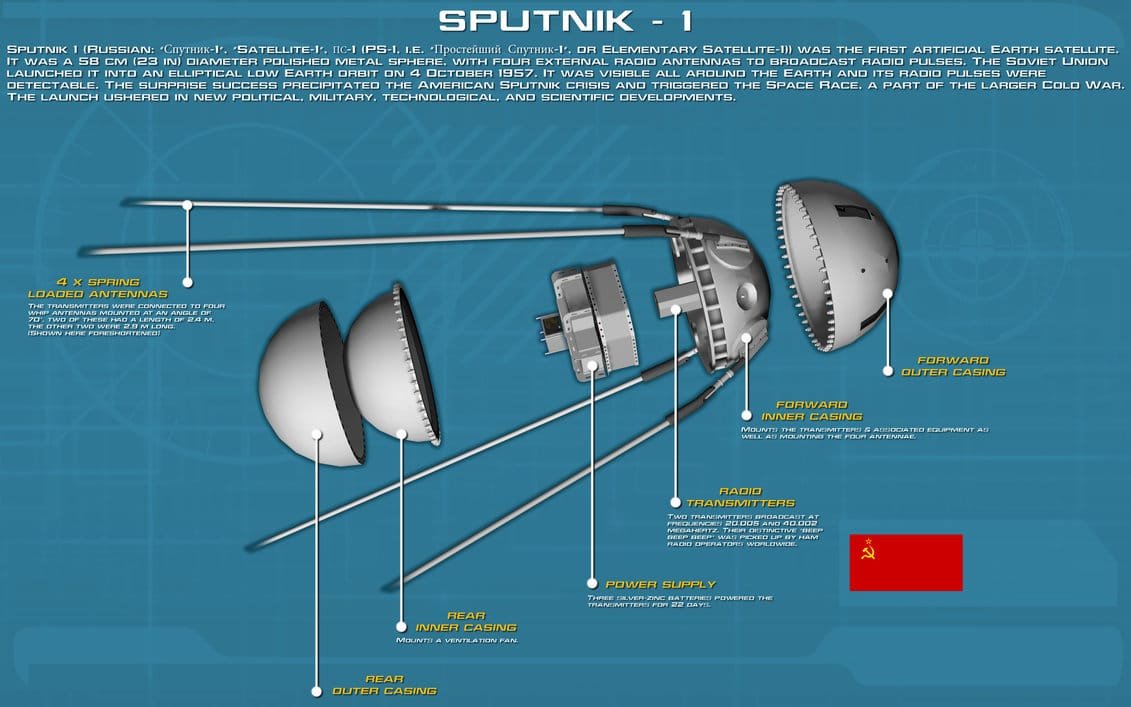
This was beyond the world, and it took the United States by surprise. It demonstrated the fact that not only could the Soviets reach America with missiles, they could also send technology into space. This initiated the rivalry between the U.S. and the USSR known as the World Space Race, in which both powers raced to accomplish significant feats, such as placing men in outer space, landing men on the Moon.
Strategic, and Military Effects
Until 1957, the primary mechanism to deliver nuclear weapons was by long-range bomber. However, with ICBMs, it would take a few minutes before a missile could get to its target, and there would not have been enough time to counter such an attack. Over the years that followed, both countries invested heavily in developing bigger, faster, and more precise missiles, propelling the arms race into even more dangerous levels.
This raised great concern in the United States. An immediate reaction that followed this was a hard build-up in the funding of American missile programs, including Atlas and Titan rockets. In another approach to face the possibility of a soviet attack, military planners also started developing a network of missile silos and a warning system.
The ICBM represented to the Soviet Union that it could stand on par with superpowers. It enhanced its militarism and became more confident in international politics. This new diversion of power also contributed to the thinking of Mutually Assured Destruction (MAD), that as long as each side had a sufficient number of nuclear weapons to deter the other, neither side would be able to risk attacking.
Long-Term Legacy
The test of the ICBM of the Soviets in 1957 left a great imprint on the chronicle of the world. It demonstrated that with a difference in technology, the balance of power can change overnight, and that the Cold War was no longer a mere force of armies and tanks; it was rockets and nuclear weapons that had the potential to reach the other side of the world known as missile gap. Over the decades that have since passed, ICBMs have become permanent features of military strategy. Both the USA and the Soviet Union constructed thousands of these missiles, which were kept on constant alert. This resulted in the potentially disastrous arms race of the 1960s and 1970s, but it also helped drive both parties to sign arms control agreements later, e.g., SALT, START, and the INF Treaty, to reduce the risk of nuclear war.
The test not only propagates scientific advancements, but it also does so in the face of military power. The same technology used to launch the R-7 missile brought in the door exploration of space exploration. Out of this discovery came the creation of the space race, which led to the launching of Sputnik, manned spaceflights, and finally the Moon landing. Nowadays, the 1957 Soviet test of an ICBM is recalled as a turning point. It was not only a military accomplishment that it altered world politics, initiated the era of space exploration, and whose legacy continues to have an impact in the sphere of international security and technological achievements in the contemporary world.
You May Like To Read: Pakistan Air Force Launches Major Flood Relief Operation in Gilgit-Baltistan