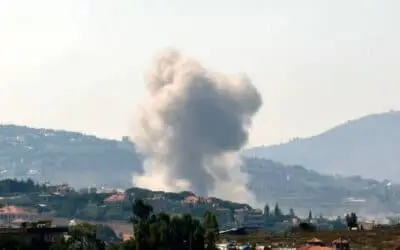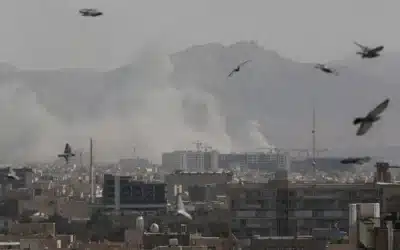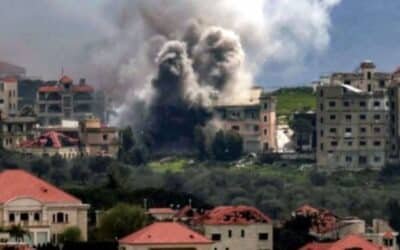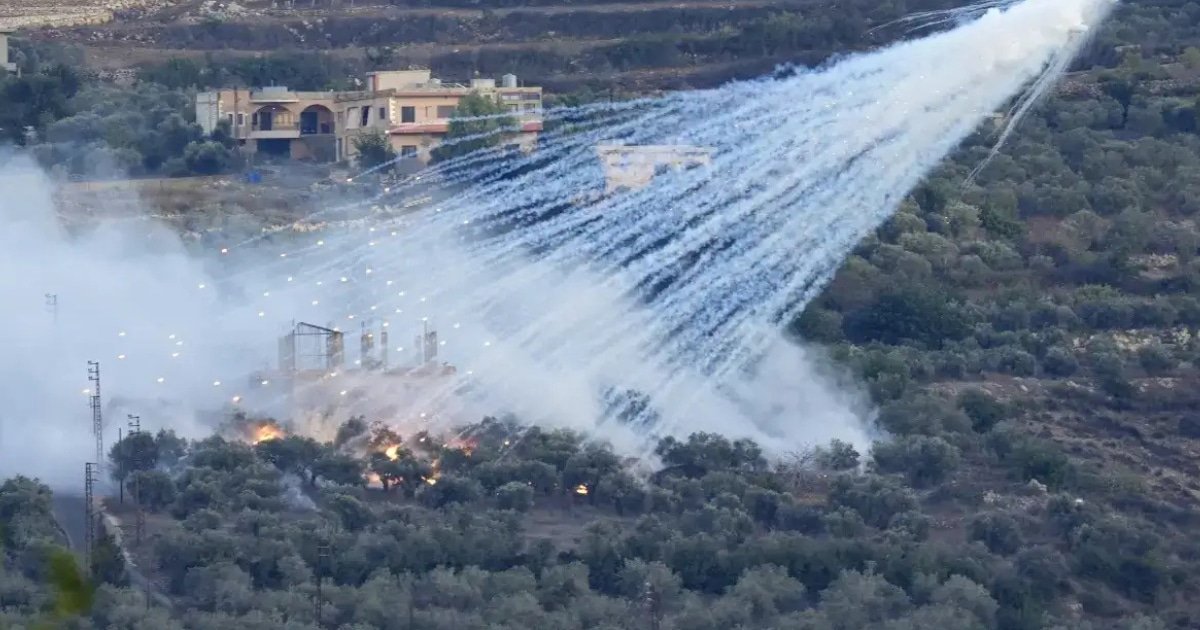



Human Rights Watch (HRW) has formally accused the Israeli military of violating international law by deploying artillery-fired white phosphorus munitions over residential neighborhoods in southern Lebanon. The report, released on Monday, details an incident on March 3, 2026, in the town of Yohmor, where incendiary rounds were allegedly used in close proximity to civilian homes and infrastructure.
Human Rights Watch (HRW) has found evidence Israel used white phosphorus in residential areas of southern Lebanon earlier this month, in violation of international humanitarian law https://t.co/JRddH2Do1t pic.twitter.com/dlF7DBemRS
— Al Jazeera English (@AJEnglish) March 9, 2026
The Yohmor Incident: Verified Evidence
The New York-based rights group stated it has “verified and geolocated” seven distinct images showing the airburst deployment of the controversial chemical over the town.
-
Civilian Impact: The munitions reportedly ignited fires in at least two homes and one vehicle. Civil defense workers were documented responding to the blazes in high-density residential zones.
-
The Weapon’s Nature: While white phosphorus is legally used for smokescreens and illumination, HRW emphasizes that its use as an incendiary weapon in civilian areas can cause “horrific burns, respiratory damage, organ failure, and death.”
-
Official Statement: “Israel should immediately halt this practice,” said Ramzi Kaiss, Lebanon researcher at HRW. He called on weapons-supplying nations to suspend military assistance involving phosphorus munitions.
Human Rights Watch says Israel’s use of white phosphorus in densely populated areas violates its obligation under international law to take all feasible precautions to avoid harm to civilians.
🔴 Read more: https://t.co/g2MxdVyh68 pic.twitter.com/IvodCaRhY0
— Al Jazeera English (@AJEnglish) October 13, 2023
Escalating Conflict and Displacement
The use of incendiary munitions comes as the regional war enters a new, more lethal phase following the collapse of the 2024 ceasefire.
-
Ground Incursion: Israeli ground troops have entered border areas south of the Litani River, roughly 30 kilometers from the border, following retaliatory attacks by Hezbollah.
-
The Human Toll: Lebanese authorities report that at least 394 people have been killed in the latest wave of strikes. The offensive has triggered a massive humanitarian crisis, with over 500,000 people now registered as internally displaced.
-
Environmental Warfare Allegations: Last month, the Lebanese government also accused Israel of spraying the herbicide glyphosate along the shared border, a move President Joseph Aoun described as a “crime against the environment.”
You May Like To Read: Who are the Kurds? Identity, Ideology, and Stakes: Possible Kurdish Offensive Against Iran, and U.S. Support
Continued Bombardment
On Sunday, Lebanon’s state-run National News Agency reported fresh “artillery and phosphorus shelling” targeting the frontier towns of Khiam and Tal Nahas. Despite repeated calls from the Israeli military for civilians south of the Litani to evacuate, aid groups warn that the speed and ferocity of the current campaign have left many trapped in the crossfire.
The international community, including the United Nations, has intensified calls for an immediate cessation of hostilities, as the use of prohibited or controversial weaponry threatens to expand the scope of war crimes investigations in the region.
Check out our latest video: