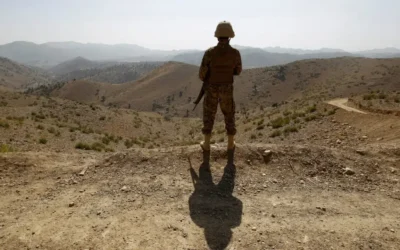
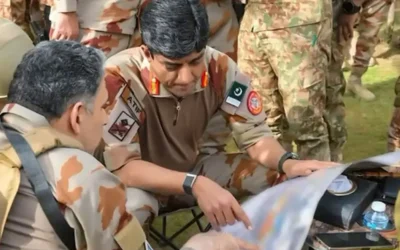
In 2024, the increase in terrorist attacks in Pakistan compared to 2023 was very significant and alarming to the extent of 70 percent, indicating a significant decline in the internal security of Pakistan. In 2023, approximately 300 attacks occurred in Pakistan, but in 2024, the country experienced 521 attacks, which led to the death of 852 people, and more than 1,200 others were injured. These attacks varied in nature, with improvised explosive devices (IEDs), suicide bombings, and targeted killings of security agents and civilians.

Source: Voice of America
The main outlawed militants that were most active during this wave of violence are the Fitna-al-Khawarij (FAK), the Fitna-al-Hindustan (FAH), and Islamic State Khorasan (IS-K), all of which launched coordinated attacks in various parts. These organizations took advantage of the porous borders, the poor local administration, and socio-economic discontents to propagate their campaigns, particularly in the tribal and Baloch regions.
Khyber Pakhtunkhwa: A Warzone Revived
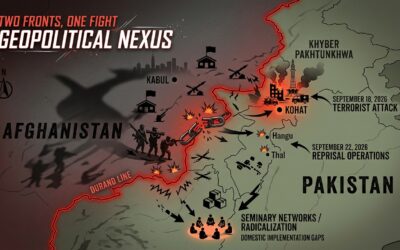
In 2024, Khyber Pakhtunkhwa (KP) was one of the regions that witnessed the most terrorist violence; most of the attacks took place in settled districts, most notably Peshawar and Dera Ismail Khan, as well as merged tribal areas, including North Waziristan and Khyber. KP was responsible for almost 60 percent of the total terror incidents that were reported in the country. The main targets were the security forces, police officers, and government officials, although civilians were also targeted with lethal attacks in the form of roadside bombs, shooting, and grenade attacks.
The Fitna-al-Khawarij (FAK) was very influential in the increased violence in KP. In 2024, FAK militants reorganized and stepped up their activities in KP following the Afghan Taliban takeover in 2021. The group took advantage of the rugged terrain and close location to the Afghanistan border to make cross-border attacks and ambushes. Several police stations, military convoys, and even schools were attacked throughout the year, and this situation caused fear and displacement among the local populations. The new surge of militancy has cast doubt on the reversal of the gains that were attained in the earlier military campaigns, such as Zarb-e-Azb and Radd-ul-Fasaad.
Balochistan: Separatist and Sectarian Violence on the Rise
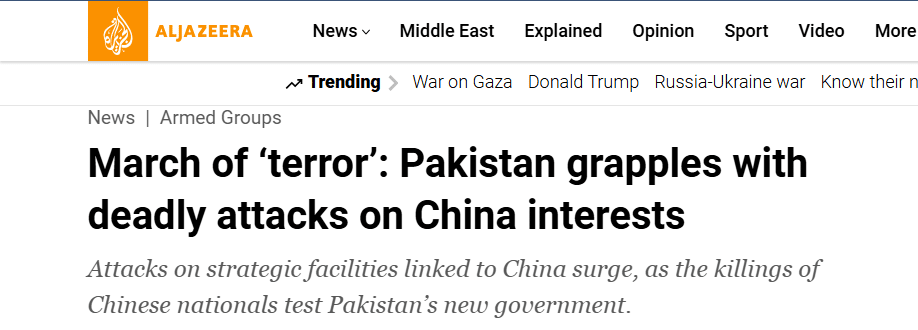
In 2024, Balochistan continued to be the second most affected area by the terrorist violence after Khyber Pakhtunkhwa, as terrorist violence against civilians and state institutions increased dramatically. There were regular attacks on security convoys, explosions on roads, and sabotage of infrastructure projects, especially those associated with the China-Pakistan Economic Corridor (CPEC) in the province. Security analysts have said that Balochistan has contributed more than 25 percent of the total terror incidents in the country in the year.
Baloch separatist organizations like the Fitna-al-Hindustan (FAH) also committed much of the violence by continuing their quest to be independent by attacking development projects and Chinese workers in the area. Besides separatist violence, attacks on sectarian grounds also increased, and organizations such as IS-Khorasan started attacking religious minorities, mainly the Shia Hazara population in Quetta.
The attacks have aggravated the feeling of fear and insecurity among the locals, destabilized education and trade, as well as alienated the Baloch people further from the central government. The fact that some of these groups are alleged to receive external support, as well as the increasing foreign interest in the same, has complicated the situation and made it more difficult to control.
Effect on the Life of Civilians and National Security
The wave of terrorist attacks in 2024 was disastrous to the lives of the civilians in the urban and rural parts of Pakistan. The families of Khyber Pakhtunkhwa and Balochistan lived in fear all the time, and most of the communities were subjected to successive curfews, school closures, and loss of livelihoods in the wake of frequent violence. There were attacks on markets, buses, schools, and religious sites, killing hundreds of civilians or injuring them. The psychological impact was huge, particularly to children and internally displaced families, many of whom had to change residence several more times because of deteriorating security.
The rising trend in terrorism was a major threat to the internal stability and national security structure of Pakistan, as seen nationally. Security forces are overextended on various fronts, combating urban terror, border intrusions, and asymmetric threats by various groups. Further, the economic cost was also high, with foreign investment particularly associated with CPEC and infrastructure construction being stalled or delayed at large by the increasing insecurity. The failure of the government to provide peace in these regions on an equal basis also caused a lack of trust between the local people and the state, which further undermined the chances of long-term peace.
Source: Al Jazeera
Way Forward
The dramatic increase in terrorist attacks in Pakistan in 2024, especially in Khyber Pakhtunkhwa and Balochistan, is a stern reminder that a holistic and integrated national counterterrorism policy is important. Although security forces have been trying their best by carrying out operations and surveillance, the continued militancy shows that there are more serious problems like poor border control, poor governance in the periphery regions, and no socio-economic development. Pakistan has to implement a comprehensive strategy that will integrate robust military efforts with political involvement, better coordination of intelligence, and judicial reforms to bring terrorists to justice promptly.
The rehabilitation of the affected communities, rebuilding of trust among the masses, building of education facilities, infrastructure, and jobs in the warring areas is equally important. On the regional level, positive communication with neighboring Afghanistan and international cooperation is essential to the interruption of cross-border support for militants. Unless Pakistan initiates active reforms and inclusive policies, the country will be lured into a long chain of violence at the expense of its internal stability and its regional stature.