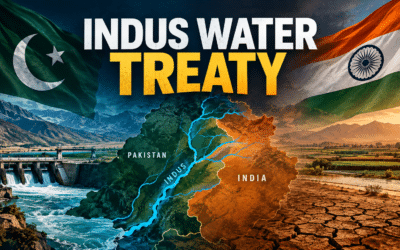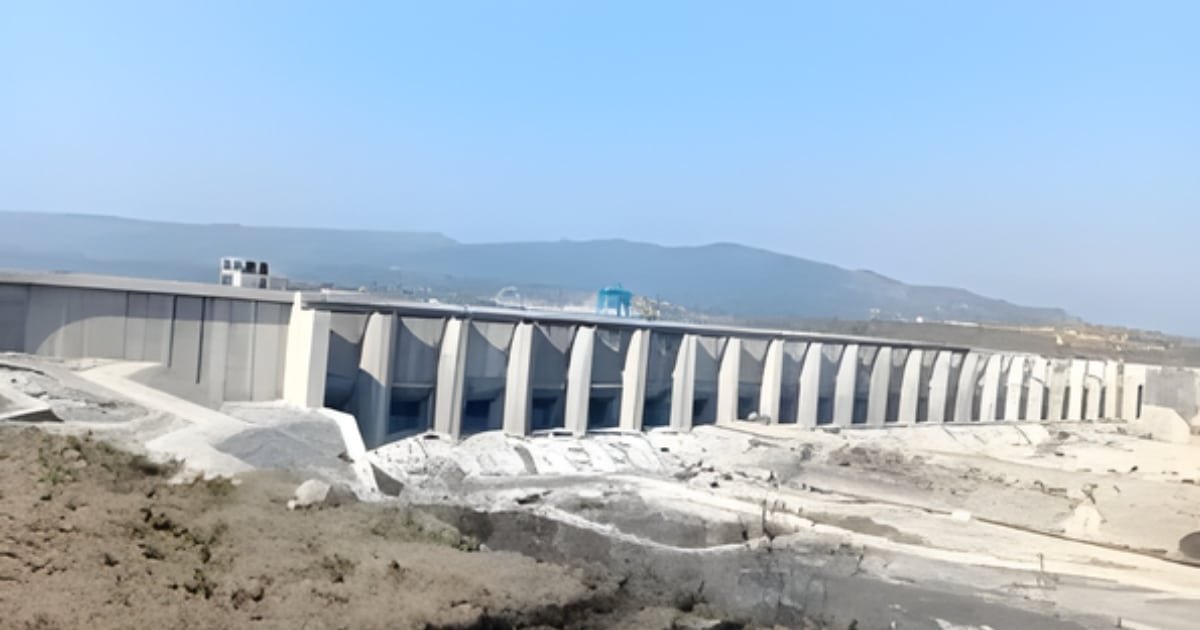





India has sharply reduced water flows into Pakistan by stopping or restricting discharge in key western rivers, including the Jhelum, Neelum, and Chenab, triggering serious concerns over water security and treaty compliance, according to official sources.
Inflows in the Jhelum and Neelum rivers have reportedly dropped to around 3,000 cusecs, down from more than 5,000 cusecs recorded just days earlier, while the Chenab has seen an even steeper decline. Sources said the Chenab, which was receiving nearly 10,000 cusecs four days ago, is now flowing at roughly half that level, with water discharge from Head Marala falling to zero.
#WATCH: “We have witnessed this abrupt variation in the flow of the River Chenab, particularly from Dec. 7 onwards.”
Pakistan’s foreign office accuses India of manipulating water releases during a critical farming period and seeks clarification under the Indus Waters Treaty.… pic.twitter.com/kMVqht096r
— Arab News Pakistan (@arabnewspk) December 18, 2025
Water experts warn that the reduced flows will severely impact irrigation systems, particularly canals fed by the Qadirabad and Khanki barrages, which may now run dry. Specialists have described the move as a serious violation of the Indus Waters Treaty, calling on the Indus Waters Commission to urgently seek international arbitration.
They cautioned that prolonged restrictions could have devastating consequences for Pakistan’s agriculture, potentially rendering millions of acres of fertile land in Punjab unproductive, threatening food security, livelihoods, and economic stability if the situation continues unchecked.
You May Like To Read: US Envoy to Convene High-Level Meetings in Miami with Qatari, Egyptian, and Turkish Officials on Gaza
Analysts warn that the unfolding situation could significantly strain bilateral relations and deepen existing tensions between the two neighbours. They stress that water management in shared river systems requires cooperation, transparency, and adherence to agreed mechanisms to prevent escalation.
Prolonged uncertainty over river flows could disrupt planting cycles, reduce crop yields, and intensify pressure on rural communities already facing economic hardship. Legal and diplomatic channels, experts say, remain critical to resolving the dispute and safeguarding regional stability. Without timely dialogue and confidence-building measures, the dispute risks evolving beyond a technical disagreement into a broader political and humanitarian challenge.
Check out our latest video: