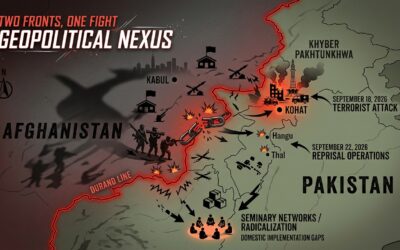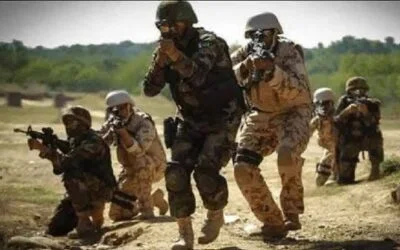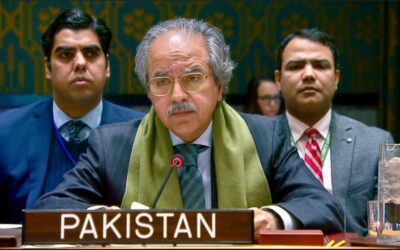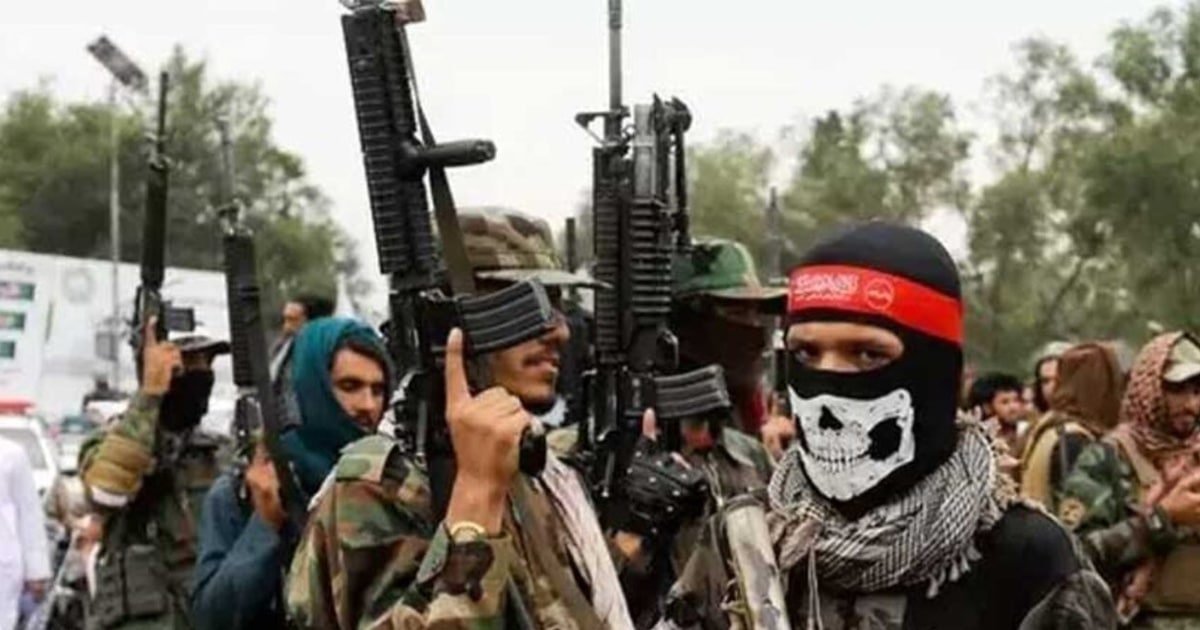





The Fitna-al-Khawarij (FAK) and its affiliated factions have undergone a dangerous transformation in their operational strategy that threatens to plunge Pakistan into deeper sectarian conflict. What began as an insurgency primarily targeting state security forces and government institutions has evolved into a broader campaign of violence against religious minorities and institutions.
This strategic shift represents more than just a tactical adjustment it reflects a fundamental ideological hardening that seeks to exploit Pakistan’s fragile religious harmony for militant gains.
Recent attacks on mosques, madrassas, and religious processions demonstrate this alarming trend, marking a deliberate expansion of the FAK targeting philosophy. Such attacks no longer simply aim to weaken state security apparatuses but seek to tear at the very fabric of Pakistani society by inflaming sectarian tensions.
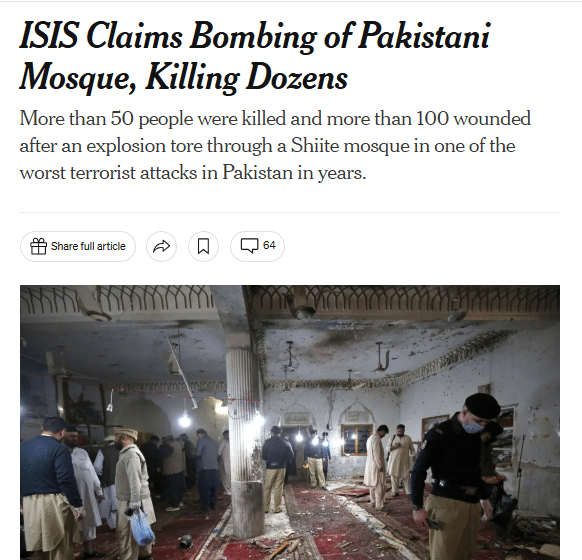
Source: New York Times
This evolution mirrors patterns seen in other conflict zones where militant groups have successfully used sectarian violence as a force multiplier, and it poses unique challenges for Pakistan’s counterterrorism strategy.
The Ideological Foundations of Sectarian Violence
To understand this shift, we must examine the ideological currents shaping the FAK’s evolution. The group’s original narrative framed its struggle as a defensive jihad against a Pakistani state perceived as an apostate for its alliance with Western powers. However, over the past decade, this narrative has absorbed increasingly sectarian dimensions through several key influences.
First, the group has drawn ideological inspiration from hardline sectarian organizations like Lashkar-e-Jhangvi that have long targeted Pakistan’s Shia community. The merging of operational capabilities and ideological frameworks between these groups has created a more virulently sectarian FAK.
Second, the rise of ISIS and its particularly brutal sectarian doctrine has influenced certain FAK factions, especially those operating near the Afghan border. Third, internal dynamics within the militant landscape have pushed the FAK toward more extreme positions as it competes for recruits and relevance.
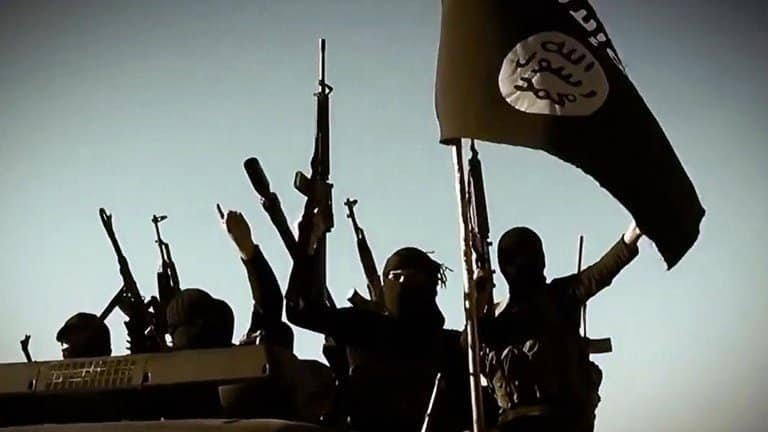
This ideological shift is evident in the group’s propaganda materials, which increasingly frame Shias, Sufis, and even non-Deobandi Sunnis as legitimate targets. The language used mirrors that of global jihadist groups while adapting to local sectarian contexts. Crucially, this isn’t merely rhetorical, it has manifested in concrete changes in targeting patterns and attack methodologies.
The Strategic Calculus behind Sectarian Targeting
The FAK’s turn toward sectarian violence reflects cold strategic calculation rather than mere ideological fervor. Attacks on religious institutions serve multiple tactical and strategic purposes that advance the group’s objectives.
You May Like To Read: Abandoned U.S. Military Hardware in Afghanistan Is Fueling Militant Surge
First, they allow the FAK to expand its operational reach beyond hardened government targets. Religious sites are typically softer targets with large gatherings, making them vulnerable to devastating attacks that guarantee high casualty counts and media attention. The psychological impact of such attacks far exceeds their tactical military value.
Second, sectarian violence serves as a force multiplier by provoking retaliatory attacks and counter-mobilization. History shows that attacks on one religious community often trigger spirals of violence that benefit militant groups by creating security vacuums and undermining state authority. The FAK appears to be deliberately engineering such scenarios.
Third, these attacks help the FAK forge alliances with other sectarian groups and tap into existing networks of sectarian militants. This expands their recruitment pool and operational capabilities while allowing them to present themselves as defenders of Sunni orthodoxy.
Perhaps most insidiously, this strategy exploits the Pakistani state’s historical difficulty in effectively protecting religious minorities. Each successful attack reinforces narratives of state failure and emboldens extremists on all sides of sectarian divides.
The Broader Security Implications
The consequences of this strategic shift extend far beyond individual attacks. At the societal level, it threatens to reverse hard-won gains in reducing sectarian violence that peaked in the early 2000s. The normalization of religiously-motivated attacks could reignite cycles of violence that took decades to contain.
For Pakistan’s security apparatus, it presents new challenges in threat assessment and protection. While military and government installations can be hardened, protecting thousands of religious sites across the country is logistically impossible. This forces difficult choices about resource allocation and protection priorities.
The regional implications are equally concerning. Afghanistan’s Taliban government has shown little willingness to crack down on FAK sanctuaries, and the group’s sectarian turn could further destabilize an already volatile region. There are worrying parallels to how sectarian violence fueled the rise of ISIS in Iraq and Syria.
Perhaps most dangerously, this shift could fundamentally alter the nature of violent extremism in Pakistan by making sectarian identity a primary fault line in the conflict. Whereas previous militant violence was framed in political terms (resistance to the state) thus making the conflict even more intractable.
You May Like To Read: Pakistan’s Efforts to Disarm and Control Illicit Firepower
Toward a Comprehensive Response
Addressing this evolving threat requires moving beyond conventional counterterrorism approaches. While continued military pressure remains essential, it must be complemented by strategies that address the ideological and societal dimensions of the problem.
First, Pakistan needs a more robust framework for protecting vulnerable religious communities and sites. This goes beyond temporary security deployments to include community-based early warning systems and rapid response mechanisms. The state must demonstrate both the capability and will to protect all citizens equally.
Second, counter-extremism efforts must specifically target sectarian narratives. This requires working with religious scholars from all schools of thought to develop alternative narratives that emphasize Islamic teachings on inter-sect harmony. The voices of moderate clerics need amplification through strategic communications campaigns.
You May Like To Read: Pakistan and Tajikistan Joint Counter-Terrorism Exercise
Third, Pakistan must address the regional dimensions of the threat through more assertive diplomacy with Afghanistan and coordinated border management. The Taliban government’s continued tolerance of FAK activities cannot go unchallenged.
Ultimately, defeating the FAK’s sectarian strategy requires preventing it from succeeding in its goal of dividing Pakistani society along religious lines. This demands a whole-of-society response that strengthens inter-communal bonds while relentlessly targeting militant networks.