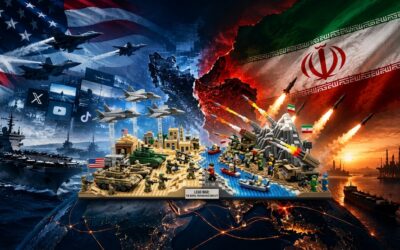



In a major economic and geopolitical development following overnight military exchanges in the Middle East, the Islamic Republic of Iran has announced its intention to reopen the strategically vital Strait of Hormuz. However, the reopening is subject to a controversial new regulatory framework that includes the imposition of maritime transit fees on international shipping vessels.
The Strait of Hormuz will be open but under new conditions to be set by Iran and Oman, including a transit fee, Iran’s ambassador to Moscow was quoted as saying https://t.co/kDVX1MhEFI
— Reuters (@Reuters) June 8, 2026
The proposed plan was unveiled by Iran’s Ambassador to Moscow, Kazem Jalali, during a comprehensive interview with the Russian newspaper Izvestia published on Monday.
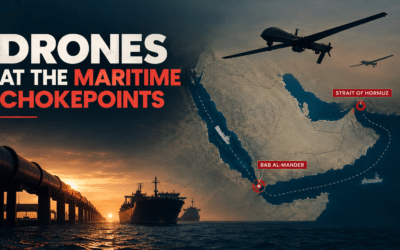
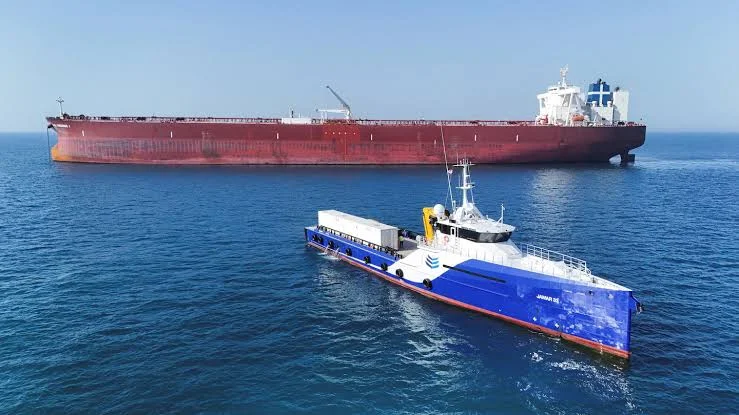
According to Ambassador Jalali, the strategic waterway—which is responsible for the transit of approximately one-fifth of the world’s global oil consumption—will be opened under joint maritime conditions currently being finalized by Iranian and Omani authorities. The framework introduces a direct fee structure for security and navigational services provided along the shipping corridor, a move that introduces an entirely new variable into ongoing global energy negotiations.
Economics of the Blockade and the Transnational Maritime Toll Dispute
The introduction of a toll system in the world’s most critical energy chokepoint has created an immediate diplomatic standoff between Tehran and the Western alliance. The specific parameters of the proposed maritime policy, alongside the direct international resistance it has generated, highlight a deepening deadlock:
-
Variable Fee Criteria: Iranian officials clarified that the proposed toll system will not utilize a flat rate. Instead, pricing tiers will be dynamically determined based on the specific type of ship, the nature of its cargo (with crude oil and liquefied natural gas carriers expected to face the highest brackets), and prevailing geopolitical conditions.
-
The Permanent Peace Clause: Tehran is demanding that the transit fee framework be officially written into any permanent multilateral peace treaty, formalizing its regulatory control over the waterway.
-
The Washington Rejection: The Trump administration has moved quickly to oppose the proposal. U.S. President Donald Trump rejected the concept on Monday, stating firmly that the Strait of Hormuz is an international waterway and that the United States will not accept the imposition of commercial tolls.
-
The Diplomatic Ultimatum: Supporting the President’s position, U.S. Secretary of State Marco Rubio declared the move completely unacceptable. Rubio warned that if Tehran continues to pursue shipping tariffs, it will make a broader diplomatic or sanctions-relief deal entirely unfeasible.
Critical Analysis: Strategic Chokepoints, Revenue Sovereignty, and the Oman Diplomatic Pressure Campaign
The timing of Ambassador Jalali’s announcement, occurring alongside direct military strikes between Israel and Iran, reveals a sophisticated effort by Tehran to convert its geographic positioning into permanent economic leverage:
Monetizing Geographic Control to Counter Sanctions
By introducing a transit fee for the Strait of Hormuz, Iran is attempting to create a permanent, highly lucrative revenue stream that is completely insulated from Western sanctions. For decades, the international community has treated the strait as a high-seas corridor under the United Nations Convention on the Law of the Sea (UNCLOS), allowing global shipping to pass through under the principle of “transit passage.”
By shifting the narrative to claim that Iran and Oman are providing active, compensable maritime safety and monitoring services, Tehran is trying to redefine the legal status of the strait. If successful, this policy would turn a global maritime transit zone into a regulated national asset, forcing the international economies that rely on Persian Gulf oil to directly fund the Iranian treasury.
Testing the Limits of U.S. Influence Over Oman
The active involvement of Muscat in these regulatory negotiations represents a significant diplomatic challenge to Washington’s regional strategy. In late May, the Trump administration issued explicit warnings to Oman, urging the Sultanate to break off talks with Iran regarding shipping tolls.
The fact that Oman has ignored these warnings and continued to build a joint maritime framework with Iran shows a major shift in Gulf diplomacy. Oman has long maintained a neutral, mediatory role in the region; by partnering with Iran on this initiative, Muscat is signaling that it views long-term stability and resource management in the strait as a regional bilateral issue that should be managed locally, rather than an international corridor policed by Western navies.
The Reopening Offer as a Cushion Against Military Escalation
The decision to announce the conditional reopening of the strait on the exact day that Israel launched major retaliatory airstrikes across western and central Iran is a calculated move in coercive signaling. By offering an economic off-ramp to global markets at the moment of peak military tension, Iran is trying to lower the international community’s appetite for further conflict.
The strategy effectively tells major oil-consuming nations that while Iran is prepared to engage in a direct military conflict with Israel, it is willing to ease the global energy supply crunch—provided the world accepts its new economic terms. This puts pressure on Washington to restrain Israel, as a continuation of the war would jeopardize the reopening of a waterway vital to global economic stability.
Creating a Geopolitical Weapon via Tiered Pricing
The revelation that transit fees will fluctuate based on “geopolitical conditions” gives Iran a powerful tool for selective economic warfare. Under this framework, ships flying the flags of nations friendly to Tehran (such as Russia or China) could be granted lower rates or complete exemptions, while vessels linked to Western-aligned states would face severe economic penalties.
This tiered system would allow Iran to punish hostile economies without needing to deploy physical naval blockades or risk direct military clashes with Western fleets, converting a standard maritime trade route into an active tool for geopolitical alignment.