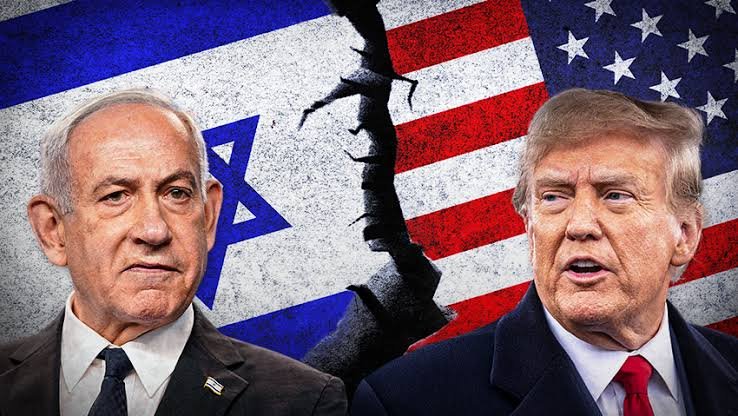




In an extraordinary breach of standard diplomatic and intelligence protocol between close allies, the Pentagon’s Defense Intelligence Agency (DIA) has officially elevated its internal counterintelligence threat assessment for Israel to its highest tier: “critical level.” The designation follows deep, systemic panic within the American intelligence apparatus that Israeli operatives are aggressively expanding human and technical espionage campaigns targeting the United States government.
Pentagon raised threat of Israeli spying on US to highest level, US media reports
📌 Assessment reportedly cites concerns Israel is intensifying efforts to surveil senior US officials
📌 Report says Israel’s human espionage and technical intelligence-gathering capabilities… pic.twitter.com/j77ufDn6ov
— Anadolu English (@anadoluagency) June 6, 2026
According to senior defense officials familiar with the matter, the DIA recently circulated a classified seven-page internal assessment detailing a significant escalation in targeted operations. The report indicates that Israeli intelligence networks have actively prioritized high-ranking U.S. officials to intercept the Trump administration’s internal deliberations, policy directions, and red lines regarding the ongoing Middle East conflict and potential diplomatic off-ramps with Iran.
The Israeli Embassy in Washington swiftly and completely rejected the Pentagon’s findings, issuing a sharp pushback through its official spokesperson:
“Israel does not gather intelligence on American entities, let alone U.S. government officials. Israel’s intelligence collection efforts are aimed at its enemies, not its allies. Any claims to the contrary are either misinformed or politically motivated.”
— Israeli Embassy Spokesperson, Washington, D.C.
Technical Tradecraft and Defensive Countermeasures
The internal DIA document reveals that Israel’s capabilities for both human intelligence (HUMINT) and advanced technical surveillance are currently operating at a maximum threshold. The aggressive nature of these operations has forced a fundamental shift in how American officials protect executive secrets, even when traveling to friendly states.
-
Burner Protocols: U.S. officials assigned to Middle Eastern portfolios are increasingly instructed to use single-use burner phones and encrypted laptop configurations to prevent digital penetration.
-
Proactive Eavesdropping Defensive Actions: Internal briefings indicate that American personnel are maintaining extreme operational discipline during official visits, treating standard hotel accommodations and bilateral meeting venues as hot zones for sophisticated, close-quarter acoustic and technical eavesdropping.
While the White House has publicly sought to downplay the crisis—with an administration official dismissing the leak as “false and sourced to someone who doesn’t have any knowledge”—the Pentagon’s formal elevation of the threat index exposes an acute undercurrent of mistrust between Washington and Jerusalem.
Critical Analysis: Strategic Divergence, Coercive Diplomacy, and the Ghost of Jonathan Pollard
The elevation of Israel to a “critical level” counterintelligence threat marks a defining moment in contemporary U.S.-Israel relations, reflecting a deeper shift in geopolitical priorities:
Divergent Strategic Objectives on the Iran War
The driving factor behind this sudden spike in espionage is a fundamental disagreement over the end state of the war with Iran. President Donald Trump has consistently pushed for a fast-tracked, high-leverage diplomatic settlement to end the hostilities and permanently reopen the blockaded Strait of Hormuz. Conversely, Israeli Prime Minister Benjamin Netanyahu remains deeply skeptical of any truce, aggressively advocating for the continuous kinetic dismantling of Iran’s remaining military assets.
Because Israel’s long-term defense planning depends entirely on whether Washington chooses to resume major combat operations or sign a regional truce, Jerusalem has a massive incentive to intercept America’s private negotiating positions. For Israel, this espionage is not seen as an act of hostility against an ally, but as an essential survival mechanism to avoid being blindsided by unilateral American diplomacy.
A “Hyper-Aggressive” Intelligence Doctrine
The DIA’s assessment aligns with long-standing, historic realities within the global intelligence community. As noted by leading regional security analysts, Israel commands a “hyper-aggressive” intelligence framework that operates on a distinct philosophy: no nation, friendly or otherwise, can be fully trusted when it comes to vital national security interests.
While the historic 1985 Jonathan Pollard espionage crisis led to a formal, bilateral understanding that Israel would cease operations on American soil, U.S. counterintelligence has long tracked low-signature violations. The current escalation proves that when the stakes are high enough, Israel is fully prepared to break established diplomatic norms to secure decision advantage over its primary benefactor.
Limits of Intelligence Compartmentalization
This counterintelligence crisis poses a severe threat to the highly coordinated, multi-decade intelligence-sharing architecture that underpins the U.S.-Israel alliance. The two nations routinely share deep tactical data regarding regional proxy groups, satellite tracking, and cyberwarfare.
By labeling Israel a “critical” threat, the Pentagon is signaling that it can no longer guarantee the integrity of its own internal communication loops. This will likely trigger immediate changes to internal access protocols, restricting Israeli access to highly classified U.S. databases and forcing American agencies to wall off sensitive diplomatic tracks.
Coercive Diplomacy and Institutional Leak Warfare
The timing of this intelligence leak—following an intense, expletive-laden phone call where Trump reportedly called Netanyahu “crazy” over unauthorized actions in Lebanon—suggests that factions within the U.S. national security apparatus are weaponizing classified data to alter behavior.
By exposing Israel’s aggressive spying methods to the American public via major media outlets, institutional elements within the Pentagon are effectively pushing back against Tel Aviv. This exposure weakens Israel’s political leverage on Capitol Hill, serving as a blunt warning from the defense establishment that unconditional U.S. diplomatic cover has definitive structural limits.