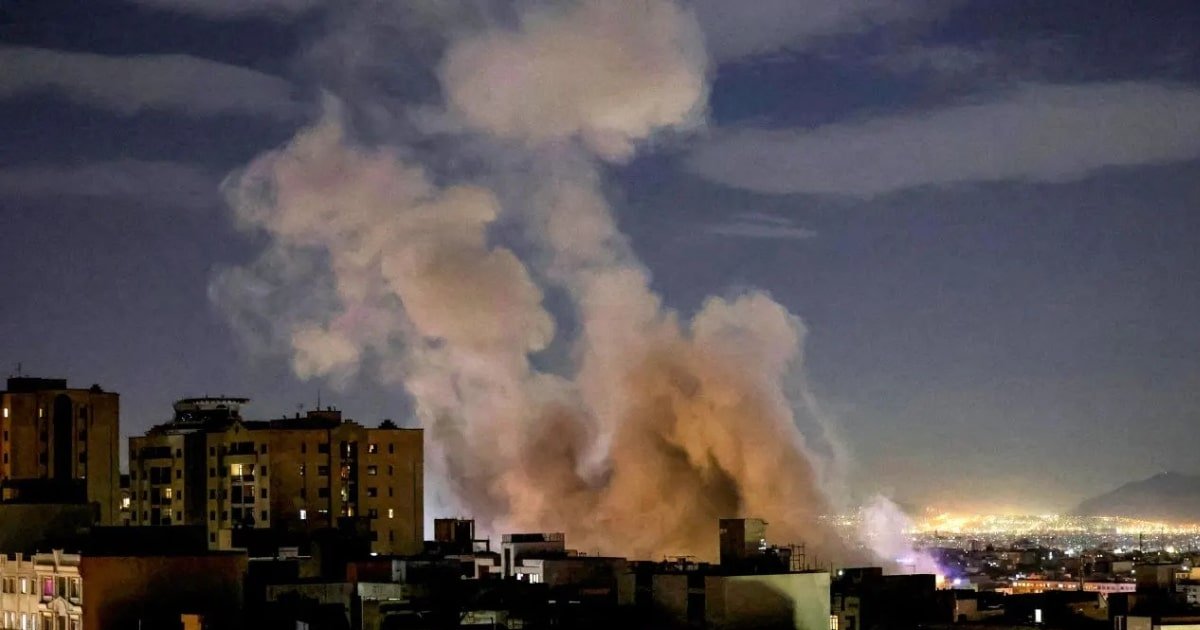





The Middle East has spiraled into a high-intensity regional conflict following the martyrdom of Supreme Leader Ayatollah Ali Khamenei. As of Monday, March 2, 2026, Iran has launched its 10th wave of ballistic missiles and drones, transitioning to an “asymmetrical” strategy designed to dilute U.S. and Israeli defense systems by striking a vast array of American strategic assets across the Gulf.
IRAN CLAIMS MAJOR DAMAGE IN STRIKE WAVE
— US BASE IN KUWAIT ‘COMPLETELY DECOMMISSIONED’
— US BASE IN BAHRAIN HIT BY DRONES, SEVERE DAMAGE
— US CARRIER ABRAHAM LINCOLN ATTACKED WITH 4 MISSILES
— 560 US TROOPS KILLED AND WOUNDED SO FAR pic.twitter.com/kyvOZdeTu9
— RT (@RT_com) March 1, 2026
U.S. Military Losses and Airspace Chaos
In a morning of rapid kinetic developments, the Kuwaiti Ministry of Defense confirmed that multiple U.S. aircraft, including F-15E Strike Eagles, crashed over Kuwaiti territory. Verified footage showed at least one aircraft spiraling in flames before the pilots successfully ejected. Simultaneously, smoke was reported rising from the vicinity of the U.S. Embassy in Kuwait, where emergency crews are currently on-site.
Video shows the moment a military jet crashed in Kuwait, as the crew ejected from the flaming plane. Residents who rushed to the scene of the crash said the aircraft and crew were American, the country’s defence ministry confirmed they were US fighter jets. pic.twitter.com/GdHSZabvcx
— Al Jazeera English (@AJEnglish) March 2, 2026
In Qatar, the capital of Doha was rocked by loud thuds as Patriot missile systems intercepted incoming projectiles. The UAE also reported debris falling on a warehouse in Abu Dhabi’s industrial zone (ICAD) and a commercial facility in Mussafah after air defenses neutralized hostile drones.
Targeting Energy Infrastructure: Saudi Oil Refineries Hit
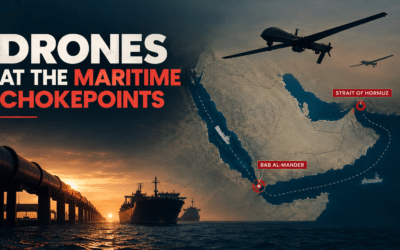
The conflict has directly impacted global energy markets as Saudi Arabia was forced to temporarily shut down the Ras Tanura refinery near Dammam. The Saudi Defense Ministry confirmed a fire broke out at the facility due to debris from intercepted Iranian drones. Analysts suggest Iran is treating the U.S. military presence in neighboring countries as an “integrated offensive platform,” targeting bases and interests rather than the host nations themselves.
Saudi Aramco has halted operations at its Ras Tanura refinery in Saudi Arabia after a drone strike in the area https://t.co/zvalC5YJ6e
— Bloomberg (@business) March 2, 2026
France Pledges Military Support; Israel Under Heavy Bombardment
International involvement has deepened with France declaring its readiness to militarily defend Gulf allies and Jordan against Iranian “aggression.” French Foreign Minister Jean-Noel Barrot expressed full solidarity with Saudi Arabia, the UAE, Qatar, Bahrain, Kuwait, Oman, and Jordan, signaling a potential multi-national intervention.
FRANCE is ready to ‘defend’ Gulf countries
‘The Iranian regime must end its attacks’ — FM Barrot pic.twitter.com/vAYc97DqBJ
— RT (@RT_com) March 2, 2026
Inside Israel and the occupied West Bank, the 10th missile wave has triggered prolonged air raid sirens. In Beit Shemesh, authorities reported nine fatalities after rocket debris struck a fortified shelter. Unlike the 12-day war in June, the current intensity has forced civilians to remain in bunkers for up to three hours at a time, highlighting the increased effectiveness of Iran’s current missile salvos.
You May Like To Read: Supreme Leader Ayatollah Ali Khamenei Martyred in Joint U.S.-Israeli Aerial Aggression
Diplomatic Stasis
Ali Larijani, Secretary of Iran’s National Security Council, has firmly refuted claims of any fresh push for nuclear talks with Washington, stating that Iran’s current “operational scheme” is focused entirely on retaliation. As the death toll from the initial U.S.-Israeli strikes surpasses 550, Tehran has warned that the scope of the war will continue to grow as long as American assets remain stationed in the region.
Check out our latest video: