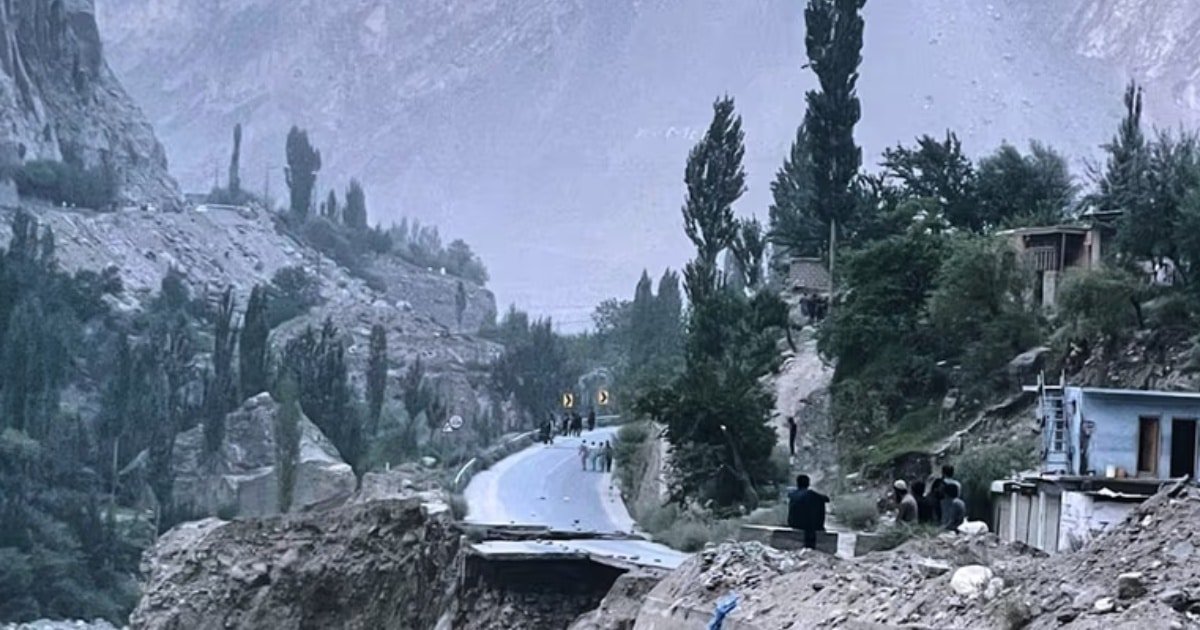




The serene landscape of Danyore, a town nestled in the heart of Gilgit-Baltistan, was recently marred by a profound tragedy that has sent shockwaves through the region. In a desperate attempt to restore a vital water channel destroyed by recent flooding, seven brave villagers lost their lives in a sudden landslide.
The incident, which has left the community in mourning, has also ignited a firestorm of anger and protest, with locals squarely blaming the government for what they see as a preventable disaster. This tragedy is not just a story of a natural calamity; it is a critical examination of institutional failure, the limits of human resilience, and the devastating consequences of delayed government action in the face of an ongoing climate crisis.
You May Like To Read: Pakistan Security Forces Down Indian Surveillance Drone in Lahore
The Catastrophe: A Battle against Nature
The events that led to the Danyore disaster unfolded over several weeks. Heavy monsoon rains and a glacial lake outburst flood (GLOF) in late July had ravaged Gilgit-Baltistan, damaging critical infrastructure, including the primary water channel that supplies water to Danyore town. For ten days, thousands of residents were deprived of water for both drinking and irrigation, a life-sustaining resource in the mountainous terrain.
The community, facing an increasingly dire situation and with no immediate government relief in sight, decided to take matters into their own hands. A group of volunteers, predominantly young men, began the perilous work of rebuilding the channel in the dead of night to avoid the scorching sun and the risk of further landslides during the day.
A tragic landslide in Danyor Nullah, Gilgit, buried eight local volunteers under debris while they were repairing a flood-damaged water channel#Gilgit #Landslide #PakistanFloods #DisasterRelief #RescueOperation #GilgitBaltistan #Monsoon2025 #ClimateCrisis #Volunteers pic.twitter.com/KjpzBEMvIf
— Capital TV (@CapitalTVLive) August 11, 2025
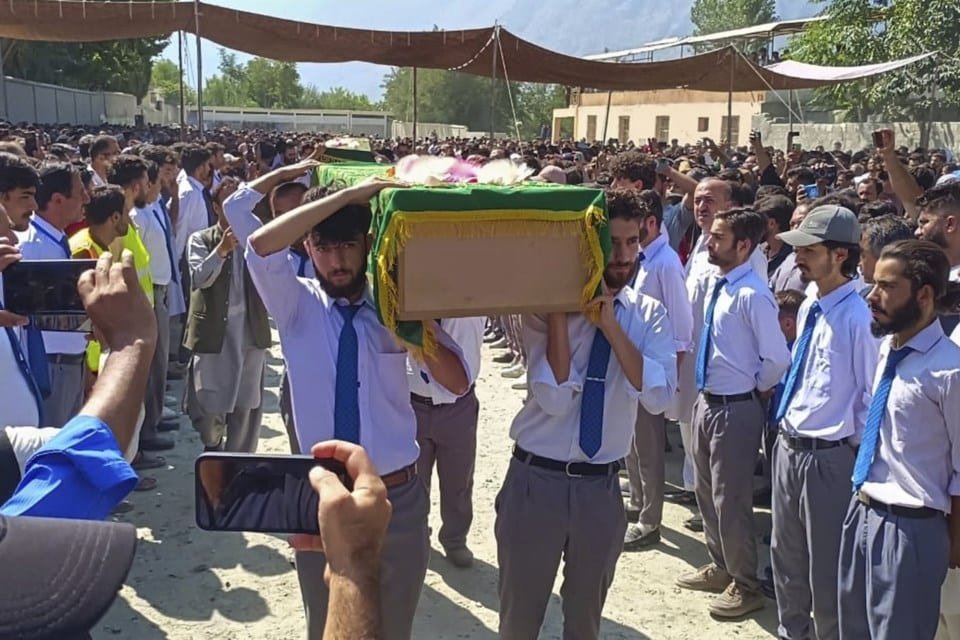
It was during these efforts that the unthinkable happened. A massive landslide struck the workers, burying them under a deluge of mud and debris. The selfless act of community service turned into a tragic sacrifice, as seven individuals were killed and several others injured. The incident underscores the immense dangers that local populations face when forced to undertake reconstruction efforts without proper support or safety protocols.
It highlights a heartbreaking paradox: the very people who were trying to save their community from a water crisis were themselves lost to the dangers created by the same environmental forces.
The Public’s Outcry: A Call for Accountability
In the wake of the tragedy, the grief-stricken residents of Danyore have channeled their sorrow into a potent protest. Holding the government directly responsible for the deaths, they have taken to the streets to demand accountability. Local leaders and former minister Muhammad Iqbal have voiced the community’s frustration, stating that repeated assurances from the government to restore the water supply were never fulfilled.
They argue that if the government had acted promptly, the villagers would not have been in a position where they had to risk their lives to secure a basic necessity. The protests at Danyore Chowk are a clear manifestation of a community that feels abandoned by its leadership.
The anger is directed at the current Chief Minister and his administration, with locals asserting that their repeated pleas for help were ignored. The government’s delayed response, which led to a protracted water shortage, is seen as the primary cause of the incident. While the Chief Minister has expressed sorrow over the loss of life and announced compensation for the victims’ families, these gestures have done little to quell the public’s outrage.
For the people of Danyore, compensation cannot replace the lives lost, nor can it erase the memory of a government that was perceived to be absent during a time of great need. The incident has thus become a symbol of a deeper-seated issue: the growing chasm of trust between the state and its most vulnerable citizens in the face of climate-induced disasters.
The Broader Context: Climate Change and Systemic Failures
The Danyore incident is a stark reminder of the devastating impact of climate change on vulnerable regions like Gilgit-Baltistan. Experts point to rising global temperatures, which are accelerating glacier melt and increasing the frequency and intensity of GLOFs and flash floods. These natural phenomena, once considered rare, are now a recurring threat, overwhelming the region’s fragile infrastructure.
The tragedy in Danyore is not an isolated event but rather a symptom of a larger, systemic problem where the government’s capacity to respond to such disasters is outmatched by the scale and speed of environmental change.
You May Like To Read: ATC Lahore Announces Verdicts in 09th May Case
The tragedy also exposes a critical flaw in disaster management and preparedness. While the government spokesperson, Faizullah Faraq, acknowledged the challenges of climate change and the scale of the damage, the central question remains: why was a coordinated, timely response not initiated? The lack of heavy machinery and official personnel on the ground for ten days forced locals into a dangerous situation.
This incident calls for a critical analysis of the government’s entire disaster management framework, including early warning systems, resource allocation, and a proactive strategy for infrastructure resilience. The people of Danyore did not just lose their loved ones to a landslide; they lost them to a confluence of environmental forces and what they perceive as governmental inaction.
This incident must serve as a wake-up call, urging a fundamental shift from a reactive, post-disaster response to a proactive, preventive approach that prioritizes the safety and well-being of the people who are on the front lines of the climate crisis.