




US Exit Is Not the End
The United States is set to officially end its membership in the World Health Organization in the coming days. However, this move is not permanent. US officials and experts say the country still has strong reasons to stay connected to global health efforts. These include protecting Americans from outbreaks that start overseas and shaping global health rules. The US also seeks to limit the influence of rivals such as China and Russia within international health systems.
The #US exits the #WHO on Thursday, leaving about $278 million in unpaid dues and hundreds of millions more in undelivered pledges, according to a report by NPR. pic.twitter.com/v7tQYOnsmy
— China Xinhua News (@XHNews) January 22, 2026
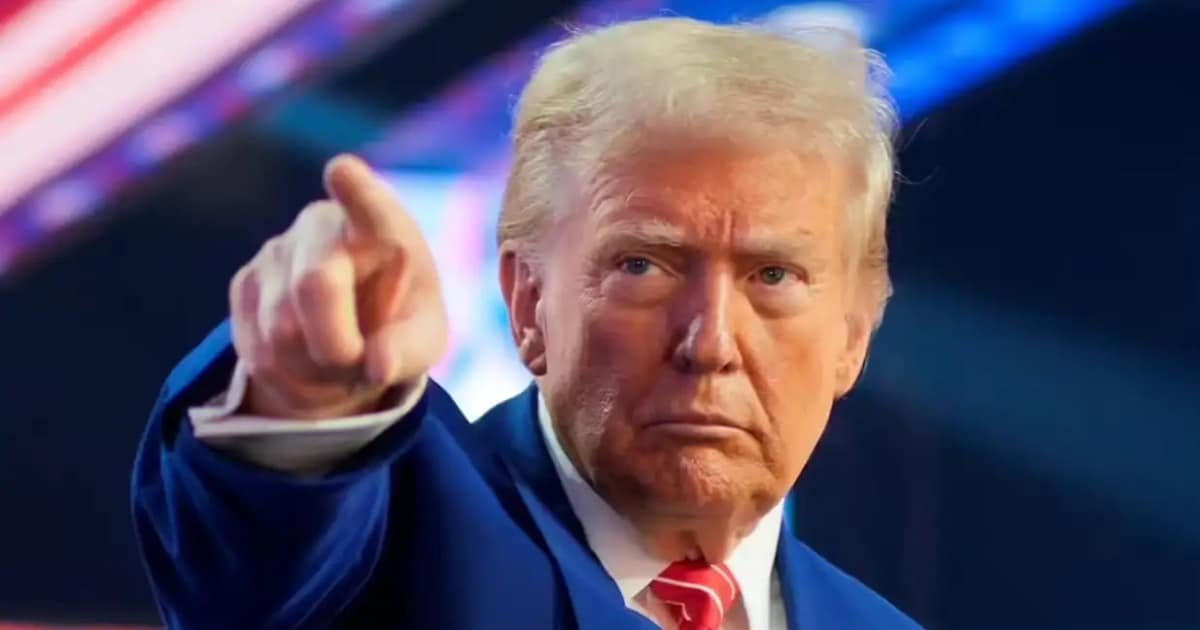
President Donald Trump ordered the withdrawal on his first day in office last year. Under US law, leaving the WHO requires a one-year notice period. The administration is now expected to announce a clean break, while also working with allies to explore a new international health system.
Why the US Pulled Out
The decision is driven by deep frustration with the WHO. US leaders accuse the agency of being too close to China, especially during the COVID-19 pandemic. There is also strong opposition to the United Nations and multilateral institutions within the administration. Personal opposition to WHO Director-General Tedros Adhanom Ghebreyesus has also played a role. Experts believe the US will not rejoin the WHO before its term ends in mid-2027.
At the same time, the US has pushed the WHO to reform. In response to funding cuts, the WHO reduced its budget, leadership, and staff. Its work is now more focused on disease surveillance and global health standards.
You May Like To Read: Fragile Ceasefires Threatened as Israeli Strikes Kill 13 in Gaza. and Lebanon
What Comes Next
Experts say the US should now plan for a return to the WHO in 2027. A key step will be influencing the selection of the next WHO leader later this year. The US should also clearly define what reforms it wants, especially faster approval of medicines and medical products.
Even after leaving, the US should continue technical cooperation with the WHO on dangerous diseases like polio and flu. Lawmakers are also urged to signal future funding support if reforms continue. Many experts warn that leaving the WHO entirely could weaken US health security rather than strengthen it.
Check out our latest video: