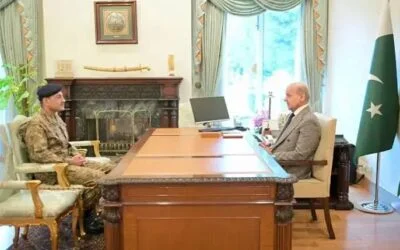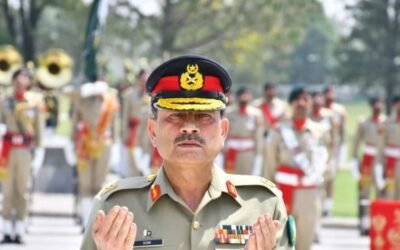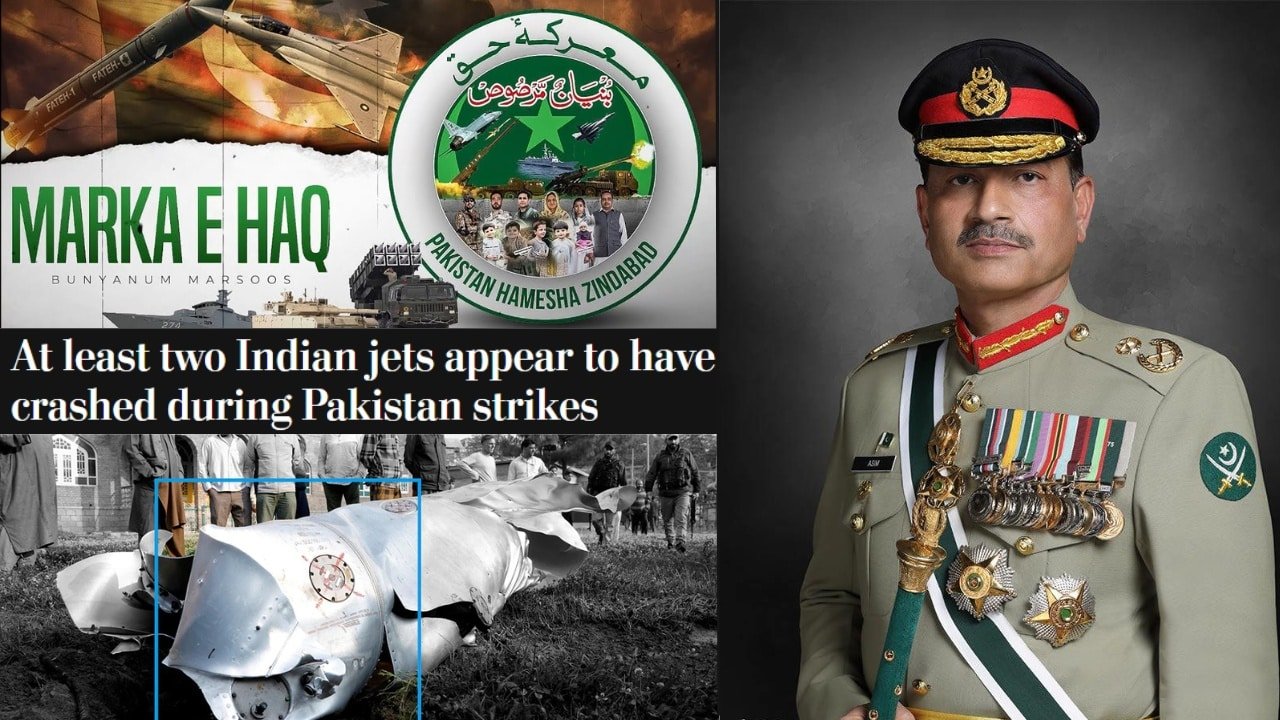



When General Syed Asim Munir assumed the office of Chief of Army Staff (COAS) on November 29, 2022, Pakistan was facing a volatile mix of security threats, economic turmoil, and diplomatic estrangement. Exactly 1,000 days later, on August 25, 2025, Munir—now elevated to Field Marshal—has become the central figure in Pakistan’s political, military, and economic direction. His rare promotion in May 2025, following a dangerous flare-up with India, has placed him among the most consequential military leaders in the country’s modern history.
This report assesses the first 1,000 days of COAS FM Asim Munir’s leadership, tracing the arc from crisis management and security operations to economic stabilization and renewed foreign relations.
You May Like To Read: Pakistan Army Intensifies Nationwide Flood Relief Operations: Thousands Rescued, Key Infrastructure Restored
Security and Defense: From Crisis to Consolidation
India-Pakistan Crisis 2025: Deterrence Restored
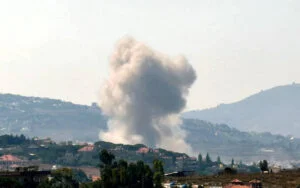
The April–May 2025 confrontation with India was arguably the defining moment of Munir’s tenure. Triggered by a terrorist attack in Pulwama that India blamed on Pakistan-based militants, the crisis spiraled into a four-day exchange of missile and drone strikes, with Pakistan naming its calibrated response Operation Bunyan-un-Marsoos.
Analysts argue that the operation demonstrated a blend of restraint and resolve, avoiding full-scale war but reaffirming Pakistan’s deterrence posture. The eventual U.S.-brokered ceasefire on May 10 was followed by COAS FM Asim Munir’s historic White House lunch with Donald Trump, a symbolic endorsement of Pakistan’s crisis management role.
The crisis not only elevated COAS Asim Munir to Field Marshal but also reinforced the military’s narrative of being Pakistan’s ultimate guarantor of national survival.
Counter-Terrorism at Home
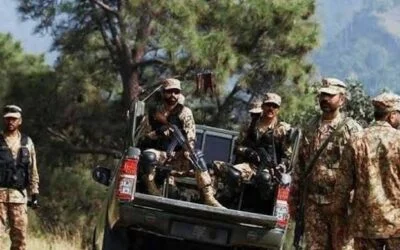
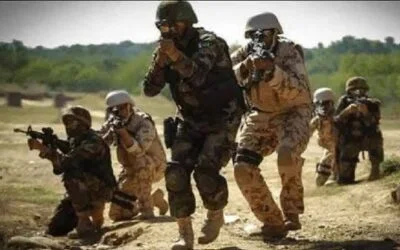
On the domestic front, Pakistan under Munir has fought persistent insurgency from the Fitna-al-Khawarij (FAK), and its splinter groups, and separatist networks such as the Fitna-al-Hindustan (FAH). Operations have been intensive—such as the April 2025 North Waziristan clashes, which left 71 militants dead—but they also came at a high human and financial cost.
COAS FM Asim Munir has framed these efforts as part of a “zero tolerance” doctrine against militancy. Security analysts suggest the army’s aggressive push has reduced urban terror incidents, though border zones remain volatile.
Afghan Border Tensions: A Hardening Stance
Relations with the Taliban government in Kabul have soured as Pakistan accuses Afghanistan of providing safe havens to militants. Under COAS FM Asim Munir’s command, cross-border strikes have become more frequent, and Islamabad has intensified deportations of undocumented Afghans—a move criticized by rights groups but defended as a security necessity.
Military Modernization, and Strategic Signaling
In parallel with crisis management, Munir has presided over a visible military modernization drive. Reports of interest in China’s J-35 stealth fighter, progress on MIRV-capable missiles, and new naval inductions illustrate an effort to signal technological parity with regional adversaries. This modernization dovetails with Pakistan’s evolving doctrine: credible minimum deterrence reinforced by technological agility.
Economy, and Statecraft: Military Muscle in Civilian Arenas
Currency Stabilization, and Market Confidence
One of the most striking achievements has been the stabilization of Pakistan’s volatile economy. In late 2023, a military-led crackdown on dollar smuggling and black-market FX operations helped close the gap between official and open market exchange rates. Business leaders credited the campaign with restoring investor confidence, as the KSE-100 index reached record highs in 2024–25 and inflation began easing.
IMF on Track: Larger Program in 2025
Pakistan’s engagement with the International Monetary Fund (IMF) had faltered before COAS FM Asim Munir’s tenure. By mid-2025, however, Islamabad had secured successive arrangements, culminating in a larger program that signaled Pakistan’s return to fiscal credibility.
SIFC, and Gulf Capital
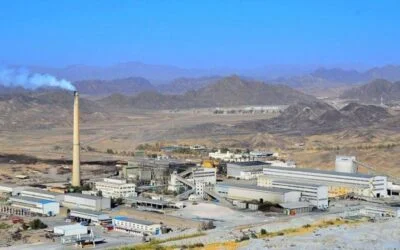
Perhaps the most structural reform has been the rise of the Special Investment Facilitation Council (SIFC)—a civil-military body that streamlined approvals for foreign investors. The UAE pledged $10 billion in projects, Saudi Aramco expanded its retail footprint, and the long-delayed Reko Diq copper-gold mine finally locked multilateral financing.
Foreign Policy and Global Image
Washington Reset
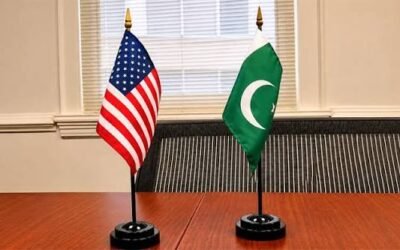
COAS FM Asim Munir’s two visits to the United States within two months—including his White House lunch with Trump—signal a sharp turn from the estrangement of previous years. Washington praised him as a “phenomenal partner in counter-terrorism” and discussed access to Balochistan’s critical minerals as part of diversifying supply chains away from China.
Beijing, Riyadh, Abu Dhabi: A Strategic Triangle
Despite the Washington reset, Pakistan has not abandoned Beijing. China remains the largest arms supplier and CPEC partner, while Gulf capitals provide vital capital inflows. Under COAS FM Asim Munir, Pakistan has carefully cultivated this triangular balance—leveraging ties with all three without succumbing to exclusivity.
🇨🇳 China FM Wang Yi to Field Marshal Asim Munir:
“Pakistan is our diplomatic priority – an ironclad friend & all-weather partner.” pic.twitter.com/vJ66zhgiEu
— Mansoor Ahmed Qureshi (@MansurQr) July 25, 2025
Afghan Deportations
On Afghanistan, Islamabad has doubled down on mass deportations of Afghans, citing security and economic strain. Humanitarian groups decry the policy, but polls suggest majority domestic support, with Munir cast as the enforcer of sovereignty.
Public Narrative, and Symbolism
Youm-e-Tashakur
Following the May 2025 de-escalation with India, Pakistan introduced Youm-e-Tashakur on May 16, now a national observance honoring the armed forces. COAS FM Asim Munir positioned the day as both a reminder of resilience and a marker of deterrence restored.
Bottom Line: Achievements of the First 1,000 Days
- Managed the India crisis without sliding into total war, reinforcing deterrence and elevating Pakistan diplomatically.
- Counter-terrorism push reduced urban attacks, though border insurgencies persist.
- Economic stabilization through crackdown on black markets, IMF re-engagement, and record stock market gains.
- Foreign investment revival via the SIFC, Reko Diq, and Gulf capital commitments.
- Foreign policy rebalancing: thaw with Washington, continued reliance on Beijing, and deeper Gulf ties.
- Public perception: Munir enjoys record-high approval, framed as the leader who restored dignity and stability after years of drift.
Conclusion: Field Marshal Munir’s Emerging Legacy
As of August 2025, Field Marshal Asim Munir’s first 1,000 days have redefined Pakistan’s trajectory. His leadership has been crisis-tested, economically assertive, and diplomatically flexible. By blending military modernization, aggressive counter-terrorism, economic enforcement, and narrative control, Munir has reshaped Pakistan’s statecraft.
The future will test whether these gains endure or prove cyclical. But for now, Munir stands as the most powerful and consequential leader of Pakistan, a soldier-statesman whose legacy is being forged in real time.
You May Like To Read: AGP Audit Report Uncovers Rs4,800 Billion Irregularities in Power Sector