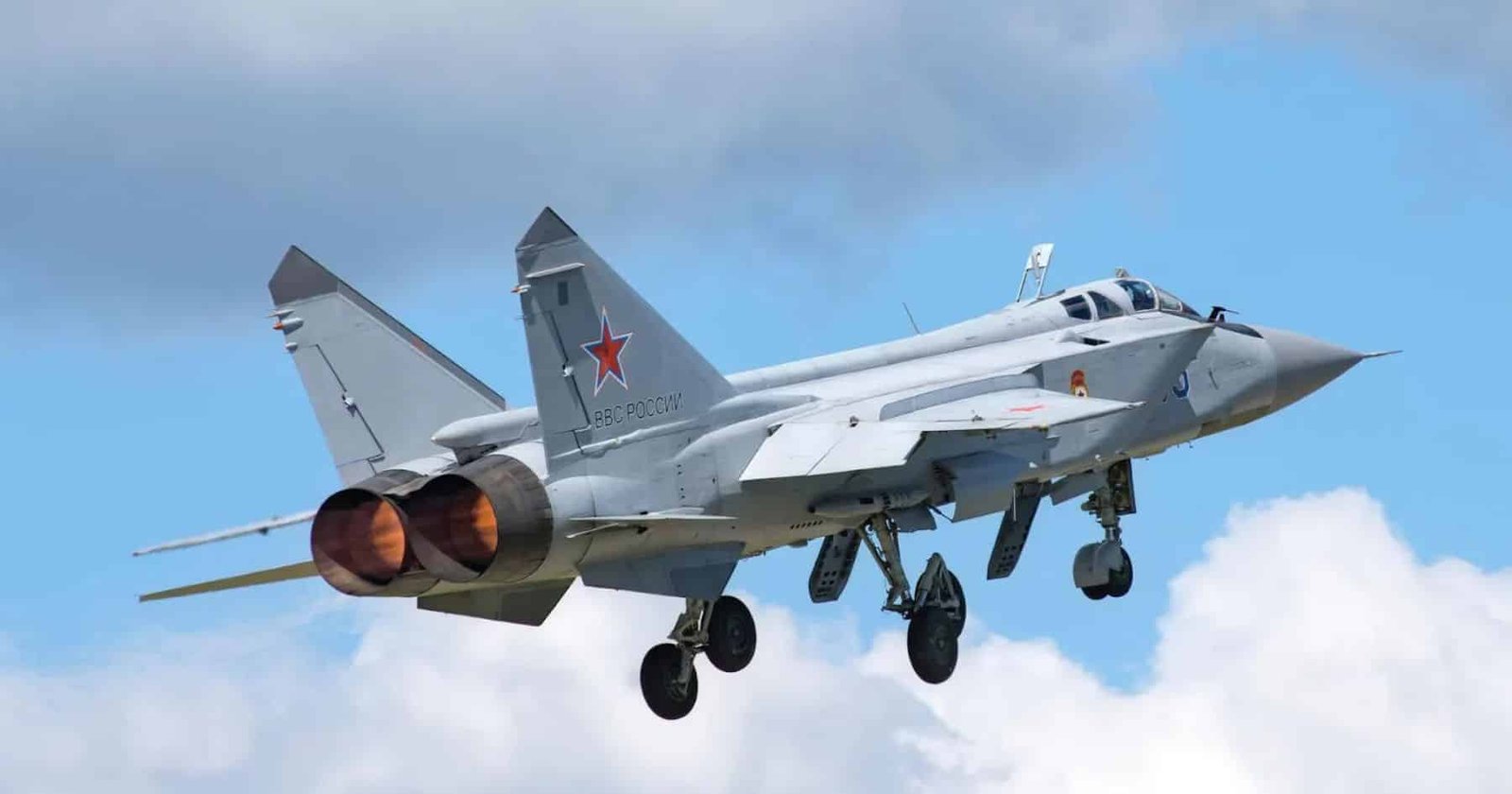




Brussels – NATO has confirmed that on Friday, three Russian MiG-31 fighter jets entered Estonian airspace over the Gulf of Finland, a blatant and “unprecedentedly brazen” violation of a NATO member’s sovereignty. The incursion, which lasted for 12 minutes, has prompted an official request for Article 4 consultations from Estonia, highlighting the escalating tensions on the alliance’s eastern flank.
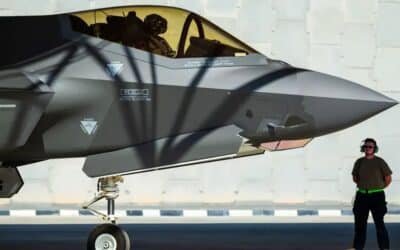
NATO spokesperson Allison Hart stated that the alliance “responded immediately and intercepted the Russian aircraft.” She called the incident “yet another example of reckless Russian behaviour and NATO’s ability to respond.” The Russian jets, which had their transponders turned off and lacked both a flight plan and two-way radio communication, were first intercepted by Finnish jets and then escorted out of Estonian airspace by Italian F-35s deployed under the Baltic Air Policing mission.
Estonian Foreign Minister Margus Tsahkna condemned the act, stating, “Russia’s increasingly extensive testing of boundaries and growing aggressiveness must be met with a swift increase in political and economic pressure.” Estonian Prime Minister Kristen Michal announced that his government had formally decided to request Article 4 consultations within the 32-member alliance, a move that formally initiates urgent discussions on security threats. The Estonian Foreign Ministry has also summoned the Russian chargé d’affaires to lodge an official protest.
This incursion follows recent similar incidents in which Russian drones breached the airspace of Poland and Romania, both NATO member states. EU and NATO leaders have been swift to condemn the actions. European Union diplomat Kaja Kallas described the incident as an “extremely dangerous provocation,” adding that Russian President Vladimir Putin was “testing the West’s resolve.” European Commission President Ursula von der Leyen echoed this sentiment, stating, “We will respond to every provocation with determination while investing in a stronger Eastern flank.”
The incident underscores the urgent need for heightened vigilance and increased defensive measures along NATO’s eastern border, as member states from the UK, France, Germany, and Denmark have already been moved eastward to bolster air defence missions over the region. The alliance remains resolute in its commitment to the collective defense of all its members against any threats to their security and sovereignty.
You May Like To Read:
- DG ISPR Accuses India of Terrorism | Reiterates Importance of Pakistan-US-China Relations
- Pakistan–Saudi Arabia Mutual Defense Agreement: Can It Redefine Muslim World Security Architecture?
- Pakistan and China Reaffirm ‘Iron-Clad Brotherhood’ on PLA’s 98th Anniversary
- France Begins Airdrops of Humanitarian Aid into Gaza Amid Famine Concerns
- A New Chapter in Pak-US Strategic Trade
- Digital Smuggling Rings: Cryptocurrencies, and Dark Web Markets Facilitating Cross‑Border Illicit Trade