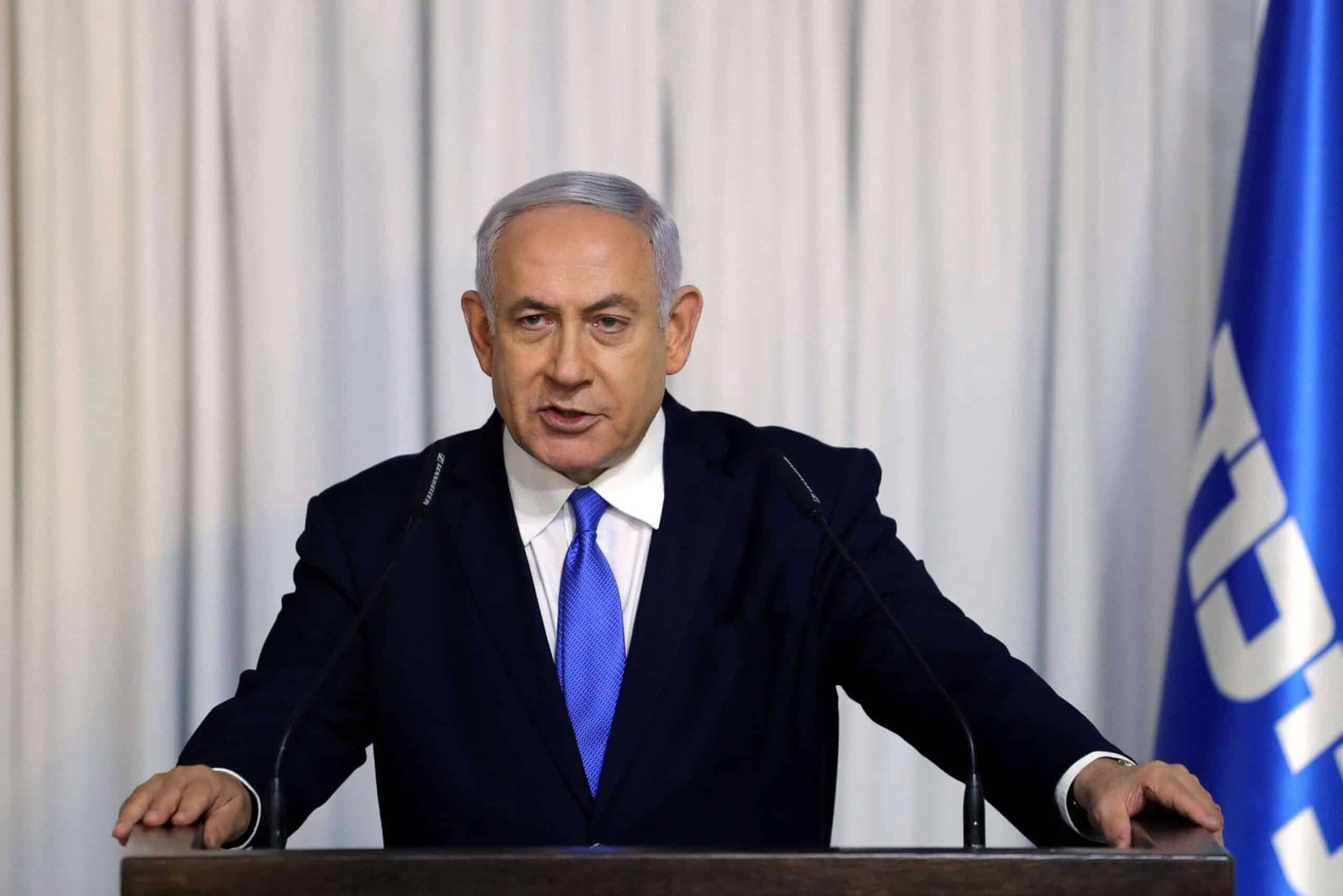





Israeli Prime Minister Benjamin Netanyahu is mounting an aggressive campaign to create a strong front with Washington, stressing his tight working relationship with the United States and his personal connection to the popular American president, who is now more popular in Israel than he himself.
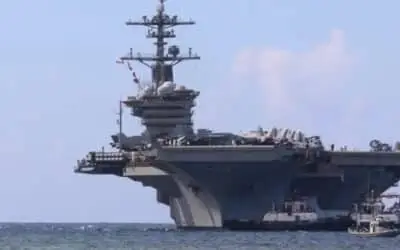
This message is delivered at a crucial time, with regional tensions with Iran simmering and with a rising amount of scrutiny within Israel over the validity of the recent military policies. The United States statement about the possible military blockade of the Strait of Hormuz was initially received by Netanyahu as a demonstration of power and deterrence.
Israel’s main opposition leader Lapid slams PM Netanyahu for backing the US–Iran ceasefire, calling it a “political and strategic failure,” saying damage caused by his “arrogance, negligence and lack of strategic planning” could take years to repairhttps://t.co/YxvLkrO6kg
— TRT World (@trtworld) April 8, 2026
Its effect is raising eyebrows among the security establishment and former officials in Israel. Critics claim that this move can only have a limited strategic effect, especially since weeks of previous conflict have not borne decisive results. Danny Citrinowicz, a former senior Israeli military intelligence official who specialized in Iran, has been on record challenging the reasonableness of the blockade by arguing that actions that could not be effective in an active war cannot work through the use of maritime restrictions.
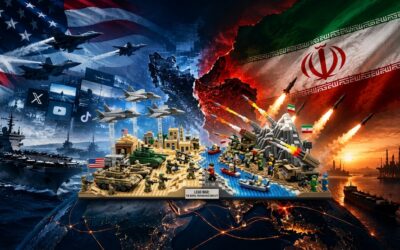
What began as a closely coordinated US-Israeli campaign against Iran is evolving into a more complex conflict shaped by differing strategic priorities.
Former Israeli diplomat Alon Pinkas discusses the growing divide. #Heat #Trump #Iran #ceasefire #Israel pic.twitter.com/JGVOwXoj1D
— CGTN America (@cgtnamerica) April 9, 2026
His statements represent more numerous issues that the existing policy might not be effective in deterring the ambitions of Iran in the region or in its nuclear path. To further lend reliance to this argument, former Israeli defense minister Moshe Yaalon has harshly criticized the way the government had dealt with the conflict, and even after over 40 days of intense combat, he says that the main military goals were still not achieved.
He cautioned that failure, as perceived, may embolden Iran, and this may strengthen their sentiment that they need to obtain nuclear arms as a form of protection against any future threats. With the pressure mounting, however, Netanyahu is under pressure back at home to explain his strategic choices as well as his dependence on US support in the ever-more-volatile geopolitical environment.