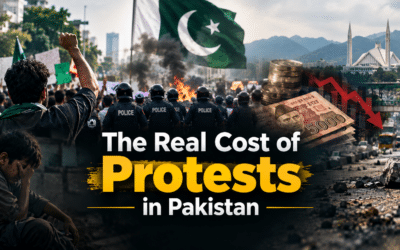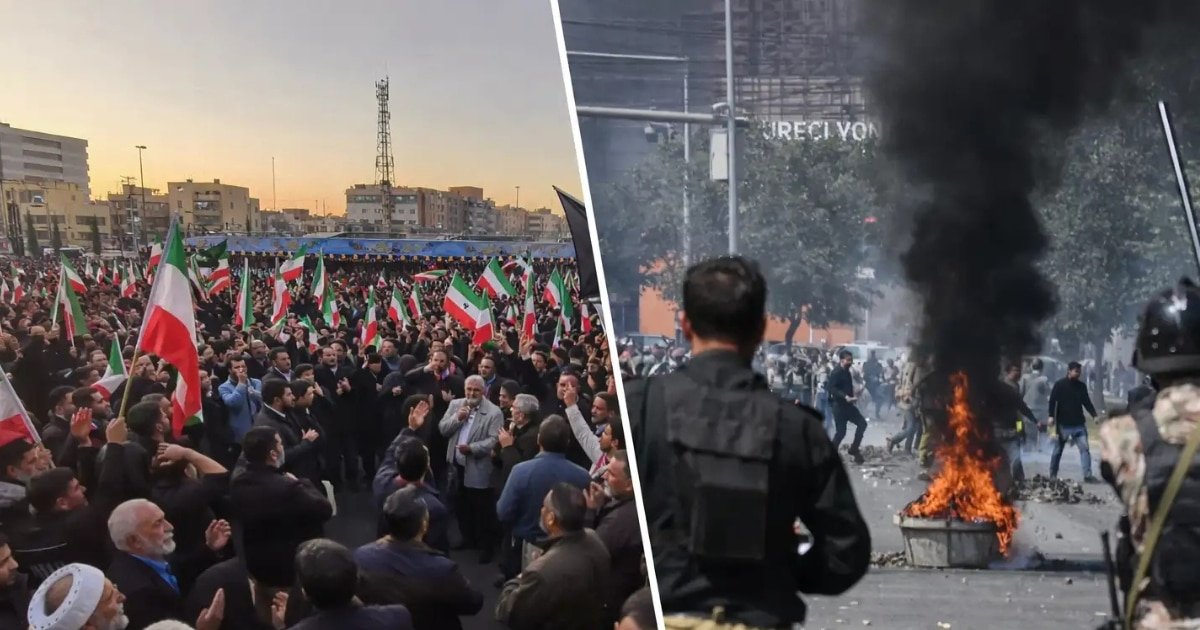





In the wake of the tragic assassination of Ayatollah Ali Khamenei on February 28, 2026, Pakistan stands at a precarious threshold. While the grief felt by millions is a testament to the late leader’s influence, the transformation of that mourning into violent street agitation has already resulted in the loss of over 20 lives across Karachi, Islamabad, and Skardu.
Clashes erupted at anti‑US protests in Pakistan’s Karachi following the killing of Iran’s Supreme Leader Ayatollah Ali Khamenei.
🔴 LIVE updates: https://t.co/x4QOqJKArI pic.twitter.com/VomwMEEi7V
— Al Jazeera English (@AJEnglish) March 1, 2026
As citizens, we must ask: Who truly pays the price when our streets burn? To protect the sovereignty of Pakistan and the safety of our children, we must look beyond the haze of anger and recognize the grave risks this instability invites.
A Security Minefield: The Threat of Infiltration
Pakistan is currently navigating one of its most complex security eras. With intense pressure on our western borders and militant groups like the TTP constantly scouting for vulnerabilities, large-scale, emotionally charged gatherings are high-risk “soft targets.”
-
Terrorist Exploitation: For hostile foreign intelligence agencies, a chaotic protest is a goldmine. It is a perfect cover to trigger a blast or target law enforcement, knowing the blame can be easily shifted to ignite a sectarian wildfire.
-
The Fifth Column: In the heat of a mob, the line between a genuine mourner and a professional agitator vanishes. Infiltrators often steer crowds toward diplomatic missions or sensitive government buildings to force a state crackdown, resulting in the loss of innocent civilian lives and a complete breakdown of law and order.
The Trap of Sectarian Crises
The most dangerous weapon in our enemy’s arsenal is social disintegration. Ayatollah Khamenei was a leader with a massive following, but turning his mourning into a “Sunni vs. Shia” conflict is exactly what Pakistan’s adversaries desire.
-
Divide and Rule: Hostile elements aim to shatter our religious harmony. If we allow these protests to take a sectarian turn, we are handing a victory to those who want to see a fragmented, weak Pakistan.
-
A Call for Solidarity: For those who do not share the same ideological bond, this is a moment to show restraint and respect the sentiments of their fellow citizens. For the mourners, true reverence lies in dignity, not in creating a crisis that harms your own neighbors and country.
Lessons from History: The Price of Rage
We must reflect on our history to understand that whenever we have taken to the streets in a violent rage, the only loser has been Pakistan itself. The numbers tell a story of self-destruction that no narrative can justify:
-
The 2007 Assassination of Benazir Bhutto: Following this tragedy, the country endured three days of unbridled rioting. The national exchequer suffered a staggering loss of approximately $2 billion (Rs. 120 billion at the time). More than 6,000 vehicles were torched, and dozens of innocent lives were lost. The leader did not return, but the infrastructure that served the poor was reduced to ashes.
-
The Faizabad and TLP Protests (2017/2021): These sit-ins paralyzed major cities and transport hubs. The 2017 event alone caused over Rs. 231 million in direct losses to the exchequer, while the combined human toll across these years reached over 20 deaths and 500 injuries, including many law enforcement officers.
-
The May 9 Riots (2023): In a single wave of unrest targeting state and military property, the country suffered Rs. 2.5 billion in tangible property damage. Furthermore, the resulting internet blackouts to contain the chaos cost the digital economy an estimated $36 million, hindering the livelihood of thousands of freelancers and businesses.
-
The 2014 Azadi March and Sit-ins: A 126-day blockade of the capital city resulted in an estimated economic hit of Rs. 547 billion. Beyond the numbers, it led to a massive flight of foreign investors who viewed Pakistan as a land of perpetual instability.
The question remains: Did these fires bring back our leaders or solve our problems? No. They only destroyed the ambulances that carry our sick, the schools that teach our children, and the economy that sustains our poor.
Learning from the Source: The Dignified Grief of Iran
While some in Pakistan resort to violence, the people of Iran—who suffered this loss most directly—have set a profound example of unity and discipline.
-
Peaceful Vigilance: Millions of Iranians have taken to the streets to mourn, yet their grief has not translated into the destruction of their own infrastructure. They are mourning as a nation, not as a mob.
People gather to mourn the death of Iran’s supreme leader Ayatollah Ali Khamenei, who was killed in joint US and Israeli strikes, at a square in Tehran on March 1, 2026.
Ayatollah Ali Khamenei, Iran’s supreme leader since 1989 and sworn enemy of the West, was killed in the… pic.twitter.com/bp9AEybaCD
— Philstar.com (@PhilstarNews) March 1, 2026
-
Resilience over Chaos: The Iranian public understands that in times of external threat, internal division is suicide. They have chosen to remain united, ensuring that their state remains strong while they process their collective trauma. If the primary mourners can remain peaceful, why should we in Pakistan allow our country to be destabilized?
A massive crowd of Iranians fills the streets of Abadan city to mourn the martyrdom of Ayatollah Seyyed Ali Khamenei and show unwavering support for their country against the US-Israeli war on Iran.
Follow: https://t.co/GKZwI4ehqL pic.twitter.com/DMZEUeyPi4
— Press TV 🔻 (@PressTV) March 3, 2026
A Final Appeal to the Ummah
The Muslim Ummah is already under siege from external pressures. Taking the law into your own hands or destroying the property of your own Muslim brother does not honor the memory of Ayatollah Khamenei; it only proves our enemies right.
You May Like To Read: Operation Ghazab-lil-Haq Update: 205 Corps Brigade HQ in Kandahar Obliterated
It is time to replace the stone with a prayer. Let us not let our emotions be weaponized to destroy the very soil we stand on. Our strength lies in unity, not fragmentation.
Check out our latest video: