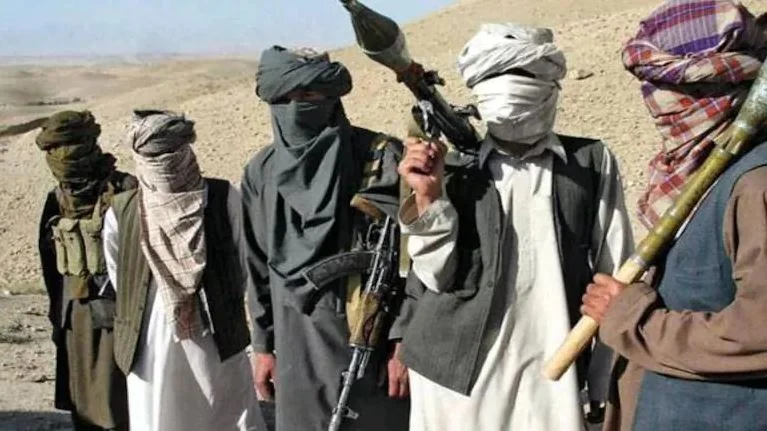


In a major development within the regional militant landscape, Jamaat-ul-Ahrar (JuA)—historically one of the most lethal and influential factions operating under the Tehrik-e-Taliban Pakistan (TTP) umbrella—has reportedly initiated its third formal separation from the mother organization.
The group retains a powerful operational footprint across northwestern Pakistan, particularly throughout the Malakand Division, Mohmand, Bajaur, Peshawar, and adjacent border districts, while simultaneously establishing underground sleeper networks in major urban capitals like Karachi and Lahore.
Security observers and counter-terrorism analysts are closely scrutinizing this latest rupture to determine whether the separation points to a routine internal reorganization or signals profound strategic, operational, and ideological divisions within the TTP’s Central Shura Council.
Jamaat-ul-Ahrar, widely regarded as one of the most influential and lethal factions within the Tehrik-e-Taliban Pakistan — second only to the Hafiz Gul Bahadur group — has reportedly announced its third split from the organisation.
For more: https://t.co/RB1YPzG5HN#etribune… pic.twitter.com/lWcygtmbuj
— The Express Tribune (@etribune) July 4, 2026
A Turbulent History of Rifts and Reconciliations
The relationship between JuA and the central TTP command has been marred by recurring factionalism and leadership disputes since the splinter group’s inception:
-
The 2014 Genesis: Jamaat-ul-Ahrar first broke away from the core TTP architecture under the command of Omar Khalid Khorasani, with Ehsanullah Ehsan operating as its high-profile public spokesman. The initial split was catalyzed by fierce opposition to the appointment of Mullah Fazlullah—a non-tribal commander originating from Swat—as the supreme TTP chief. JuA leaders argued that the selection lacked broad consultative consensus and marginalized established tribal commanders.
-
The Haqqani Mediation: Following roughly a year of bitter independence, localized Taliban networks and senior Afghan Taliban figures brokered a reconciliation. Independent intelligence sources confirm that Sirajuddin Haqqani, currently serving as Afghanistan’s Interior Minister, played a central role in mediating the talks, leading to JuA formally rejoining the TTP fold in 2015.
-
The Silent Operational Divide: Despite the structural merger, deep policy rifts persisted. JuA frequently operated as an autonomous entity alongside the Hafiz Gul Bahadur group, claiming high-casualty civilian attacks that the central TTP leadership refused to publicly acknowledge due to strategic image-rehabilitation efforts. By 2017 and 2018, both factions were functioning separately in all but name.
-
The Mehsud Consolidation: Following the death of Fazlullah, the current TTP Emir, Mufti Noor Wali Mehsud, successfully executed a sweeping centralization strategy, bringing JuA back into the unified umbrella network during a broad militant amalgamation in August 2020.
Policy Clashes and Strategic Marginalization
Security researchers suggest that the current baseline for the third split stems from a combination of ideological alienation and institutional sidelining. TTP’s central command has increasingly attempted to project a more standardized insurgent image, targeting state security apparatuses while avoiding mass-casualty urban actions. JuA leadership, traditionally adhering to an uncompromising, hardline global jihadist doctrine, has resisted these constraints.
Furthermore, internal friction mounted significantly when the TTP central command announced sweeping organizational and leadership appointments. JuA found itself entirely excluded from major high-tier command positions, accelerating the group’s slide back into total operational autonomy.
Expanding the Combat Theater and Cross-Border Aftermath
If fully sustained, the formal separation carries severe implications for Pakistan’s internal security matrix. Security analysts warn that an independent JuA is structurally motivated to expand its theater of operations far beyond the traditional tribal belts of Khyber Pakhtunkhwa. By utilizing a decentralized, pan-Pakistan approach, the faction seeks to execute high-profile strikes in major urban hubs to demonstrate localized relevance, project tactical capability, and aggressively outbid the TTP for fresh recruits and funding streams.
The real-world manifestation of this hyper-aggressive strategy was underscored by a complex urban assault targeting the Pakistan Rangers headquarters in Karachi, an operation that JuA rapidly claimed responsibility for. Security databases also indicate that JuA has actively forged transactional logistics pipelines with Baloch separatist organizations, raising the probability of coordinated or claimed insurgent actions inside Balochistan province.
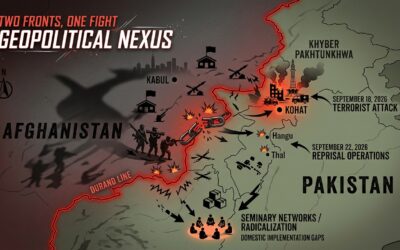
This fluid militant landscape has already triggered severe regional geopolitical fallout. In response to heightened cross-border security threats linked to both TTP elements and independent JuA cells, the Pakistan military recently executed targeted, intelligence-based ground operations and calibrated airstrikes against safe havens inside the border regions of eastern Afghanistan. The continuous operational mutation of factions like JuA ensures that the security dynamics along the Durand Line remain highly volatile.