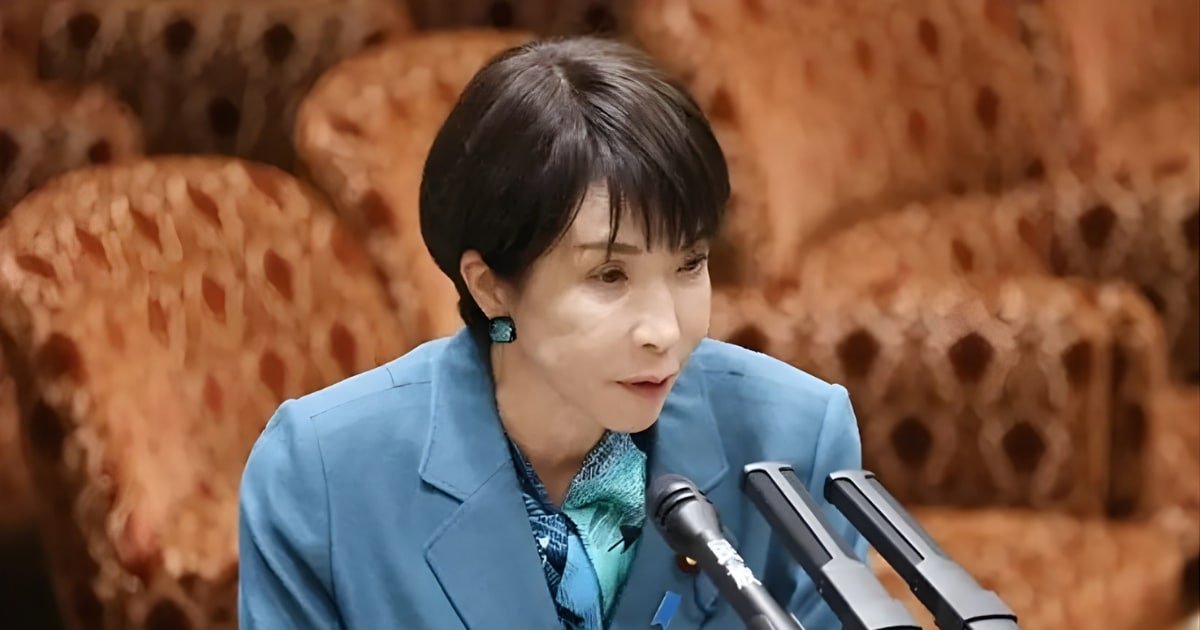





On December 16, 2025, Japan’s Upper House officially passed a ¥18.3 trillion ($118.2 billion) supplementary budget for fiscal 2025, the first major fiscal move under Prime Minister Sanae Takaichi. Driven by her “responsible and active” fiscal doctrine, the package is primarily designed to mitigate the impact of rising living costs on Japanese households. The centerpiece of the plan is a ¥8.9 trillion allocation for price relief, which includes the reintroduction of subsidies for electricity and gas bills through March 2026 and a one-time cash handout of ¥20,000 per child to support families. Additionally, the government has moved to abolish the provisional gasoline tax surcharge to lower fuel prices, a key demand from opposition parties that helped the minority government secure the budget’s passage.
JAPAN GREENLIGHTS $118B DEBT-FUELED STIMULUS, BIGGEST POST-COVID SPENDING SPLURGE
The 18.3T yen ($118B) supplementary budget passed the upper house after clearing the lower house last week, exceeding last year’s 13.9T yen package.
Most of the funding will come from new debt… pic.twitter.com/B8dPD8nUWD
— Bitcoin News (@BitcoinNewsCom) December 16, 2025
While the stimulus aims to boost GDP by an estimated 1.4%, it has sparked significant concern regarding Japan’s fiscal health. To fund the massive expenditure, the government will issue ¥11.6 trillion in new government bonds, covering more than 60% of the total cost. This heavy reliance on debt has already rattled financial markets, pushing long-term interest rates upward as investors weigh the risks of further currency weakness and a deteriorating debt-to-GDP ratio. Prime Minister Takaichi has defended the spending as necessary to “widen the pie” of the economy and ensure wage growth finally outpaces inflation. However, with Japan’s total debt already exceeding 250% of its GDP, the administration now faces the daunting task of balancing these aggressive growth investments with the need to maintain market confidence in the yen.
You May Like To Read: Naveed Akram Charged with 15 Counts of Murder, and Terrorism Over Bondi Massacre