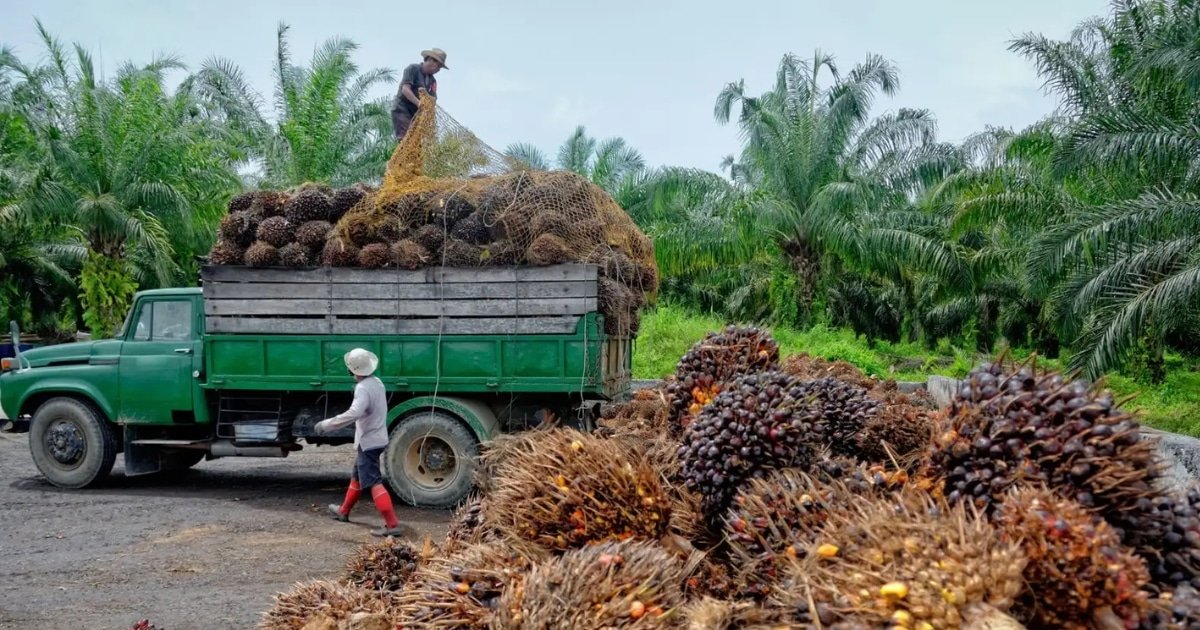




Industry experts reported that the escalating conflict in the Middle East has triggered a sudden surge in demand for palm oil, particularly within the biodiesel sector. As crude oil prices jumped more than 25% on Monday, reaching their highest levels in nearly four years, palm oil has become a much more cost-effective alternative for energy production. Because palm oil is currently trading at a significant discount compared to conventional gasoil, it has become highly attractive to industrial buyers looking to mitigate the impact of skyrocketing fuel costs and disrupted shipping routes in the Gulf.
Middle East conflict could spur palm oil demand from biodiesel sector https://t.co/AtTB1JQ0Nd
— Reuters Asia (@ReutersAsia) March 9, 2026
Indonesia, the world’s leading producer and consumer of palm-based fuel, has responded to the crisis by announcing plans to potentially revive its “B50” biodiesel mandate by mid-year. This policy would require diesel fuel to consist of a 50% palm oil blend, an ambitious increase from the current B40 standard. While the plan was previously shelved due to technical hurdles, the current energy landscape has made it a strategic priority for reducing dependence on expensive imported crude. Although palm oil supplies in Malaysia and Indonesia reached record highs in 2025, the increased demand from both the energy and food sectors has pushed prices to a one-year peak. Analysts note that while Southeast Asia is well-positioned to supply Asian and European markets, the rising cost of palm oil relative to other vegetable oils like soyoil could eventually limit its long-term growth if the price gap narrows.
You May Like To Read: Deepening India–Israel Ties: What It Means for Regional Security And Pakistan
Check out our latest video: