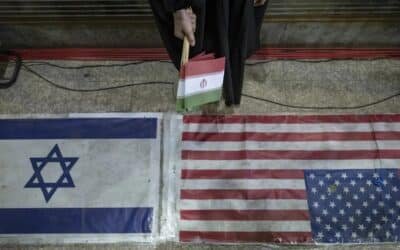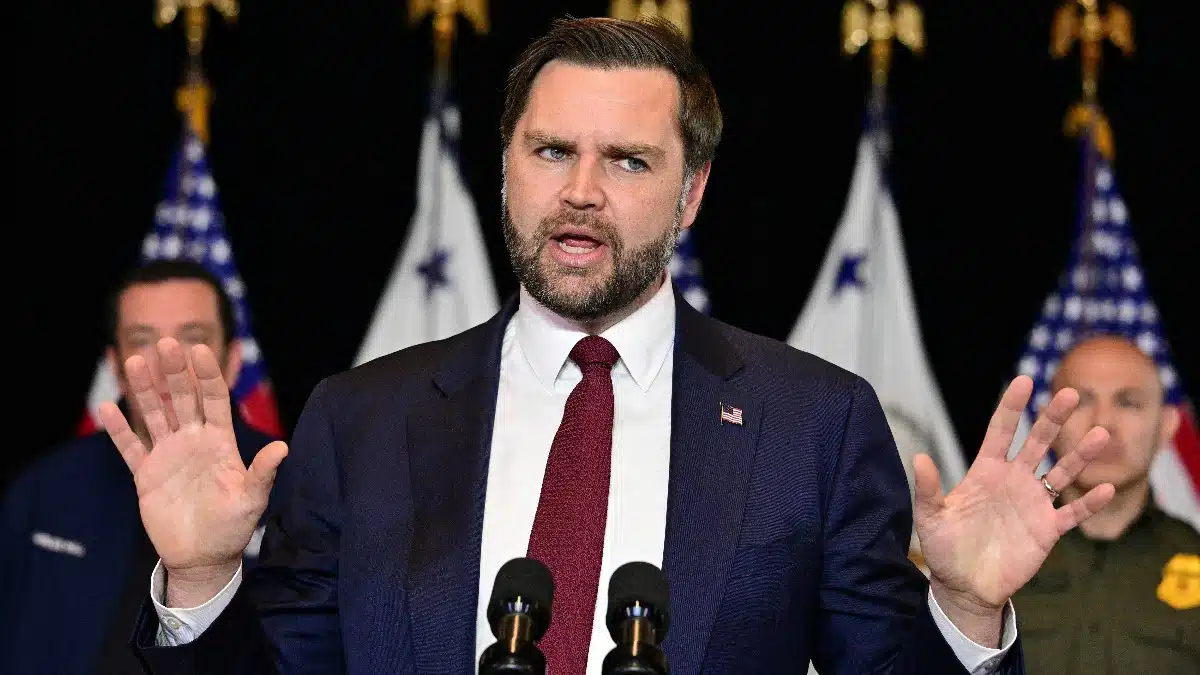





In a White House briefing, US Vice President JD Vance conveyed optimism regarding ongoing talks between the United States and Iran, suggesting both sides are motivated to de-escalate tensions and avoid renewed military conflict. Vance emphasized the progress made in negotiations, stating, “We think that we’ve made a lot of progress. We think the Iranians want to make a deal.”
The core objective of these negotiations, according to Vance, remains preventing Iran from acquiring nuclear weapons. “We want to keep the number of countries that have nuclear weapons small, and that’s why Iran cannot have a nuclear weapon,” he asserted, underscoring the US commitment to nuclear non-proliferation.
Vance also highlighted the US strategy of degrading Iran’s conventional military capabilities, claiming success in this area. This approach appears to be a key element in the US strategy to encourage Iran to negotiate on denuclearization.
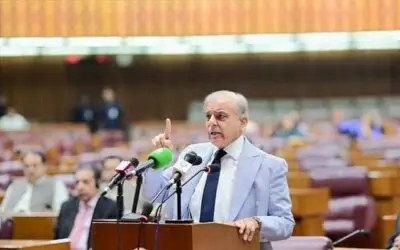
The Vice President’s recent trip to Islamabad, Pakistan, was presented as a gesture of good faith, signaling the US willingness to engage in serious negotiations. “The President has told us to aggressively negotiate with the Iranians,” Vance explained, adding that his visit to Islamabad aimed to demonstrate the US commitment to reaching an agreement, “so long as the Iranians are willing to meet us, again, on that core issue of never having a nuclear weapon.”
US Vice President JD Vance said on Tuesday that the United States and Iran have made a lot of progress in their talks, and neither side wants to see a resumption of the military campaign.
For more: https://t.co/6r3renQ95P#etribune #News #latest pic.twitter.com/yrqcNP4qXl
— The Express Tribune (@etribune) May 19, 2026
Critical Analysis
While Vance’s statements paint a positive picture of the US-Iran talks, several points warrant critical consideration:
- The Definition of “Progress”: The specific nature of the “progress” made remains unclear. Vague pronouncements require further scrutiny to determine if tangible concessions have been made by either side. What specific points of agreement have been reached?
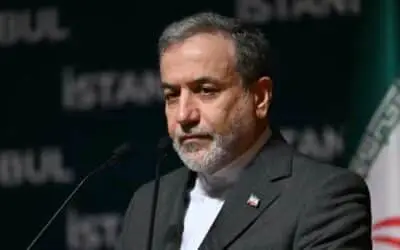
- Iranian Intentions: Vance’s assertion that “the Iranians want to make a deal” should be treated with caution. Iran’s motivations are complex and may be driven by economic pressures, regional security concerns, or a combination of factors. The US must verify actual willingness through concrete actions, not just rhetoric.
- Conventional Military Degradation: Vance’s claim of successfully degrading Iran’s conventional military capabilities requires further evidence. What specific capabilities have been affected, and how has this impacted Iran’s regional influence?
- The Role of Pakistan: While Vance frames his Islamabad visit as a sign of good faith, it also suggests Pakistan may be playing a mediating role. Understanding Pakistan’s position and potential influence is crucial for assessing the negotiation’s trajectory.
Conclusion
Vice President Vance’s remarks suggest a potential window for de-escalation and a negotiated resolution to the US-Iran nuclear standoff. However, a healthy dose of skepticism and rigorous verification are necessary. The success of these talks hinges on both sides demonstrating genuine commitment to finding common ground and addressing the core concerns of nuclear proliferation.