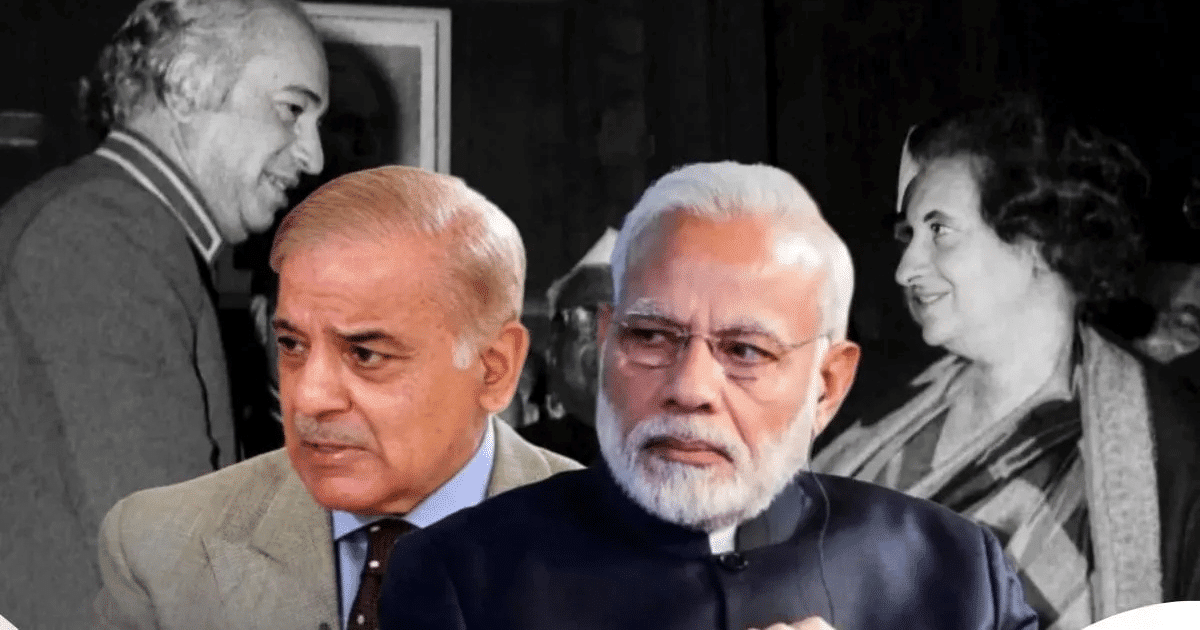



For over seven decades, the Kashmir dispute has been the central, often intractable, point of friction in Pakistan’s foreign policy. Traditionally, Islamabad’s diplomatic strategy has been to internationalize the issue, consistently raising it at forums like the United Nations, and to maintain a moral and legal claim based on the UN resolutions calling for a plebiscite.
However, in an evolving geopolitical landscape characterized by a shift from a unipolar to a multipolar world order, this conventional framework is proving to be less effective. Pakistan is now compelled to redefine its diplomatic approach, moving from a rigid, one-size-fits-all policy to a more nuanced, multifaceted strategy. This new framework for dialogue acknowledges the complexities of a changing world where old alliances are being questioned and new power centers are emerging.
The Erosion of Traditional Diplomacy
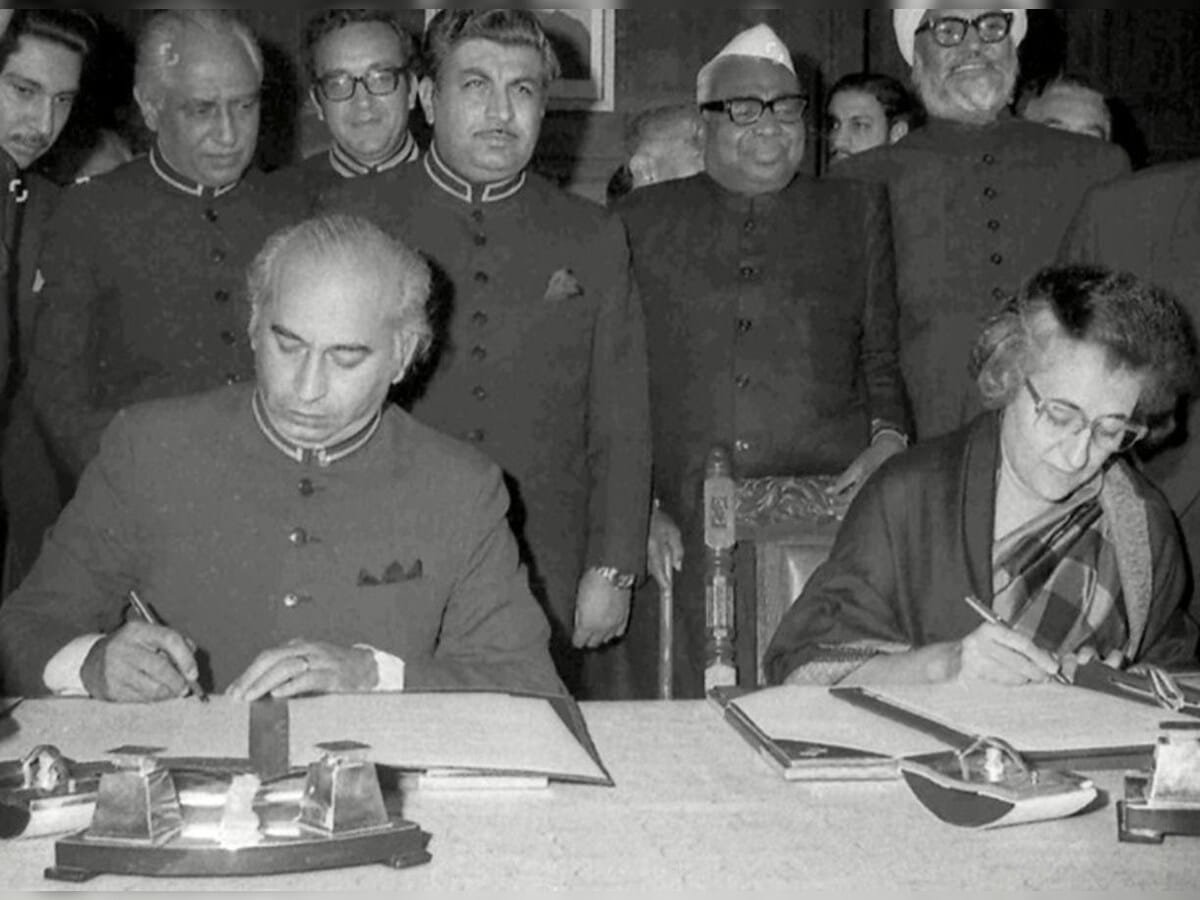
Pakistan’s traditional diplomatic playbook on Kashmir, which relied heavily on securing international intervention, is facing significant challenges. The unipolar moment that followed the end of the Cold War, where the United States dominated global affairs, did not yield the desired results. Washington, while periodically engaging in de-escalation efforts, was increasingly preoccupied with other global priorities, particularly counter-terrorism and the rise of China. Furthermore, India has been highly successful in portraying the Kashmir issue as a bilateral matter to be resolved under the framework of the 1972 Shimla Agreement, thereby discouraging third-party mediation.
The international community’s focus has also shifted. Countries that once might have supported Pakistan’s position on a referendum are now more concerned with economic partnerships and counter-terrorism, and see the Kashmir dispute as a potential flashpoint between two nuclear-armed states that is best left dormant. Therefore, this has left Pakistan with less diplomatic leverage and a growing realization that its reliance on past UN resolutions may no longer be a viable standalone strategy. The international narrative has increasingly moved from self-determination to one of human rights, and while Pakistan leverages this, it has yet to translate into substantive political pressure on India.
Navigating a Multipolar World Order
The emerging multipolar world order, where power is diffused among multiple major players, presents both new challenges and opportunities for Pakistan’s Kashmir diplomacy. The rise of China as a global superpower and a close ally of Pakistan has added a new dimension to the dispute. China has its own claims on Kashmir and a significant strategic interest in the region due to the China-Pakistan Economic Corridor (CPEC), which passes through Gilgit-Baltistan. While Beijing has generally maintained a neutral public stance, its growing influence in the region and its strategic rivalry with India gives Pakistan a powerful, albeit cautious, ally. This new dynamic allows Pakistan to subtly leverage its relationship with China to offset some of India’s growing geopolitical influence.
Similarly, other global powers like Russia, which was a traditional ally of India, are now engaging with both nations in a more balanced manner. Russia’s foreign policy is driven more by pragmatic economic and security interests than by historical alignments. This shift offers Pakistan a potential opening to build stronger diplomatic ties and create a more diversified network of support, reducing its over-reliance on a few key partners. The key for Pakistan’s diplomacy is to recognize that in this multipolar world, the focus is on economic and strategic interests, not ideological or historical loyalties. Therefore, any new framework for dialogue must be framed in a way that appeals to the interests of these new global players.
A New Framework for Dialogue
Given these geopolitical realities, Pakistan’s future diplomatic approach must be adaptive and comprehensive. A new framework for dialogue on Kashmir should be built on three core pillars:
First, there must be a greater emphasis on backchannel diplomacy and private engagement. The failed attempts at public, high-profile negotiations have only served to entrench both sides’ positions. Pakistan and India must explore a more discreet and consistent channel for communication, similar to the backchannel talks that took place during the Musharraf era. This would allow for a more realistic and creative problem-solving process away from the glare of media and domestic political pressures.
Second, Pakistan needs to recalibrate its public diplomacy to be more sophisticated and multi-layered. Instead of just focusing on the UN, it should prioritize targeted, issue-based diplomacy. This involves working with human rights organizations, civil society groups, and international media to highlight the human rights situation in the region, particularly focusing on specific incidents and the lived experiences of the Kashmiri people. By framing the issue as a humanitarian crisis, Pakistan can build a broad coalition of support that transcends political divides and puts pressure on India without resorting to traditional, state-centric diplomacy.
Conclusively, a new framework must also integrate economic and trade incentives. As a long-term strategy, Pakistan can propose a peace and prosperity corridor that not only resolves the territorial dispute but also unlocks the economic potential of the entire region. This would appeal to the economic interests of all stakeholders, including India, and provide a compelling reason for a peaceful resolution. By offering a grand bargain that links a resolution on Kashmir to regional economic integration, Pakistan could potentially bypass the rigid political posturing and find a new path forward. This comprehensive approach, rooted in pragmatism and an understanding of the new geopolitical landscape, is Pakistan’s best hope for moving beyond the stalemate and finding a durable solution to the Kashmir dispute.
You May Like To Read: