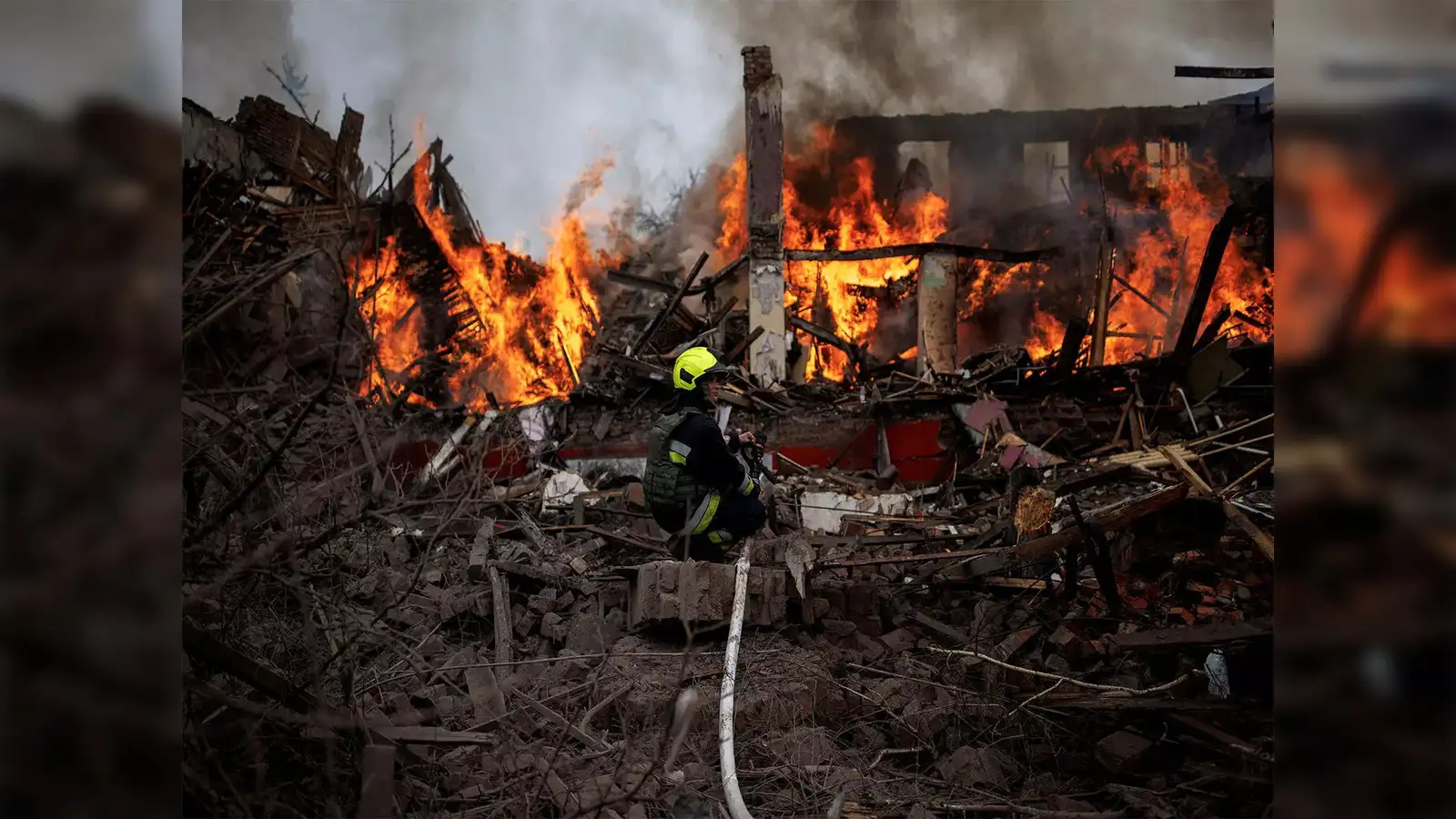





Ukraine faced a massive, sustained air attack lasting over 12 hours in the early hours of Sunday, resulting in the deaths of four civilians—including a 12-year-old girl—and injuries to at least 40 people across the nation. The extensive bombardment targeted civilian infrastructure in the capital and multiple regions, prompting an urgent international call for increased air defense assistance and tougher sanctions on Moscow.
President Volodymyr Zelenskyy condemned the assault as “savage” and “deliberate, targeted terror against ordinary cities.”
Scale and Targets of the Sustained Barrage
The Russian assault utilized a combination of nearly 500 attack drones and more than 40 missiles, including high-velocity ballistic missiles, which struck targets from the capital to the southern and western regions.
Major metropolitan areas and regional centers targeted in the bombardment included:
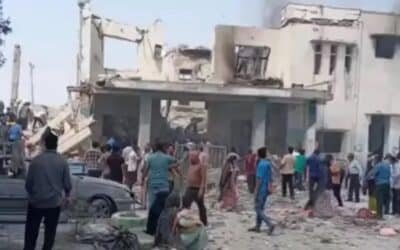
- Kyiv and its outskirts: Residential buildings were hit, with black smoke visible over the capital following the morning’s strikes. A five-storey residential building was specifically noted among the casualties.
- Zaporizhzhia
- Khmelnytskyi
- Sumy
- Mykolayiv
- Chernihiv
- Odesa
The attack required Ukraine’s limited air defense systems to fight continuously to repel the incoming threats, as explosions rattled windows and sirens wailed across the nation before dawn.
Civilian Casualties and Human Impact
The assault focused heavily on civilian areas, confirming President Zelenskyy’s description of it as “targeted terror.” Four lives were tragically lost, including that of a 12-year-old girl killed when a residential building in Kyiv was struck. The overall number of injured civilians is known to be at least 40, including several children.
“This is exactly how Russia declares its true position. Moscow wants to keep fighting and killing, and it deserves the toughest pressure from the world,” President Zelenskyy stated.
International Security Implications and Polish Response
The intensity of the attack had immediate spillover effects on neighboring NATO member states. Poland’s military was forced to take extraordinary security measures, briefly closing a portion of its airspace near the south-eastern cities of Lublin and Rzeszów as its air force scrambled jets in response to the Russian strikes close to its border.
The Polish military issued a statement confirming that the special security operation had concluded after not finding any violation of Polish airspace. They extended thanks to the Dutch air force and the German army, which operates Patriot missile batteries in Poland, for their assistance during the readiness activation.
Call for Halt to Russian Energy Imports and Defense Reinforcement
Amid the ongoing aerial campaign, President Zelenskyy reiterated his demand for international partners to take decisive economic action against Russia, particularly targeting its energy revenues.
“The Kremlin benefits from continuing this war and terror as long as it earns revenue from energy and operates a shadow fleet,” Zelenskyy said, urging nations that want peace to “halt any Russian imports.”
The President also confirmed that air defense remains the most critical military need. While noting that a refurbished Patriot air defense battery from Israel/US is now operational in Ukraine, he stressed that more systems are urgently required to cover the full territory of Ukraine. He confirmed that two more Patriot systems are expected to arrive this autumn.
These developments come against a backdrop of stalled peace negotiations and increasing diplomatic focus on financing Ukraine’s defense, including recent suggestions from German Chancellor Friedrich Merz regarding the use of frozen Russian assets to unlock a potential €140 billion loan for Kyiv.