

Afghanistan: The Red Line on Sovereign Security
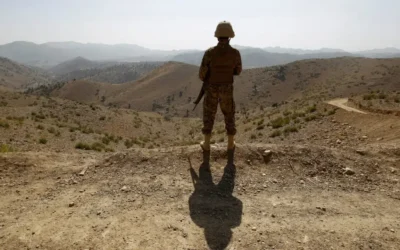
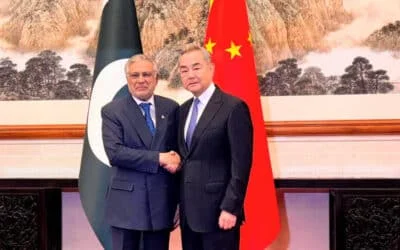
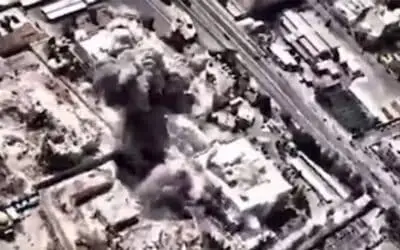
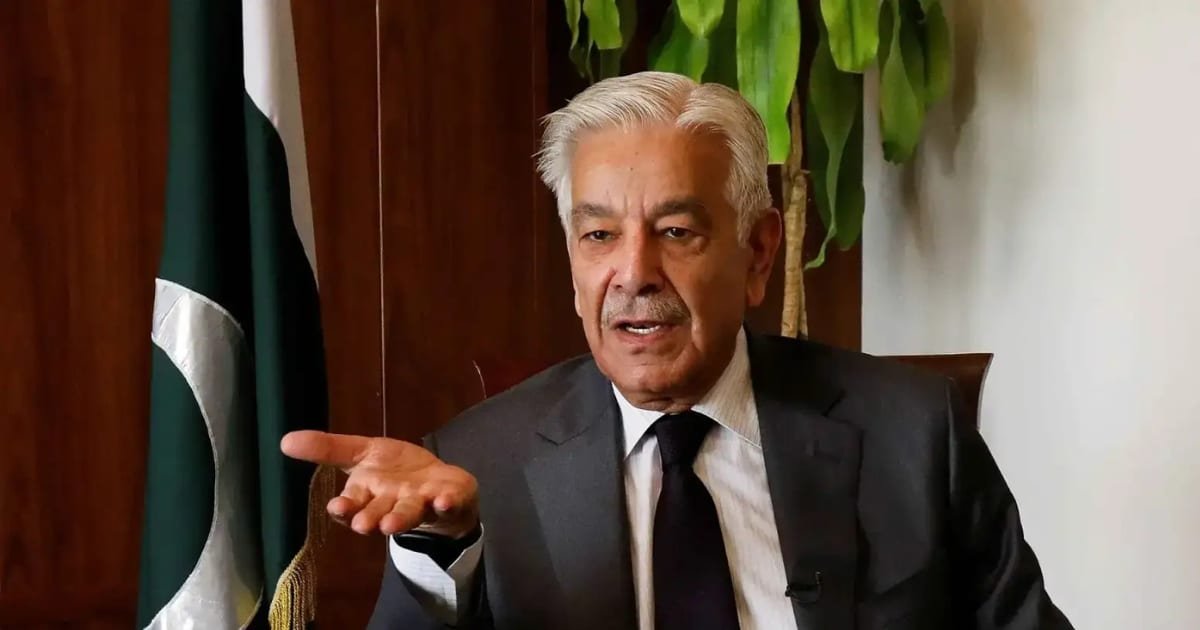
Defence Minister Khawaja Asif has issued a stern warning to the Kabul regime, asserting that Pakistan retains the “sovereign option” to conduct cross-border air strikes if militant sanctuaries are not dismantled.
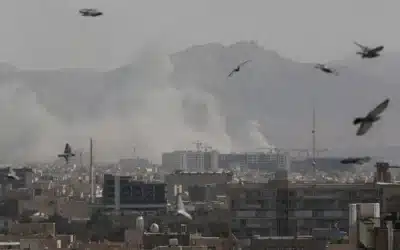
- Accusations of Complicity: The Minister stated that recent attacks—including the devastating Islamabad Imambargah bombing—have the “blessings” of the Afghan government.
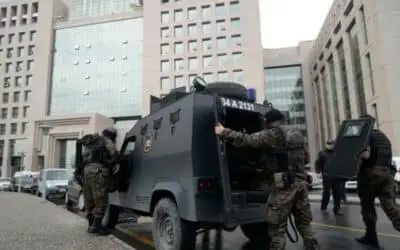
- Intelligence on IS-K and TTP: Authorities have linked the recent Islamabad mastermind to an Afghan national trained across the border.
- Policy of Active Deterrence: Asif dismissed previous denials from Kabul, noting that since the Taliban maintains full control of the country, they bear absolute responsibility for outfits like TTP, ETIM, and Daesh operating from their soil.
“The Afghan Taliban regime has also been informed that Pakistan reserves the right to respond and eliminate any Khwarij along with their affiliates, wherever they are located to ensure safety of its soldiers, civilians and territorial boundaries.”
– Pakistan Foreign Office https://t.co/ESYEJC1Ea1 pic.twitter.com/L0AWQmnudR
— The STRATCOM Bureau (@OSPSF) February 19, 2026
The India-Afghanistan “Proxy Nexus”
Following the kinetic conflict of May 2025, the Defence Minister characterized India’s current strategy as a “proxy war” facilitated by the vacuum in Afghanistan.
- May 2025 Aftermath: Asif claimed India was “badly beaten” in the May conflict and has since pivoted to supporting militants in Balochistan and the tribal belt to compensate for military humiliation.
- Diplomatic Stance: Pakistan currently maintains zero direct or indirect contact with New Delhi. The risk of a full-scale war remains a “possibility” under current conditions.
- Mediation Failures: Despite mediation attempts in Istanbul, Doha, and Kabul, Afghan officials have admitted an inability (or unwillingness) to control TTP elements, leading to Pakistan’s ultimatum: “Allow us to handle them if you can’t.”
Gaza and the “Board of Peace” (BoP)
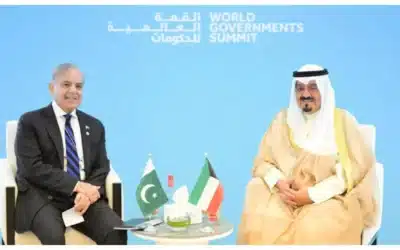
Regarding the Prime Minister’s current visit to Washington, Asif clarified Pakistan’s potential military contribution to the proposed International Stabilisation Force (ISF).
- Peacekeeping Pedigree: Highlighting Pakistan’s history as a top UN contributor, Asif expressed readiness to join the BoP peace force, provided the “Terms of Reference” (ToRs) align with national interests.
- Two-State Prerequisite: The Minister reaffirmed that normalization with Israel is not under consideration. Recognition remains strictly contingent upon a sovereign Palestinian state and the right of self-determination.
You May Like To Read: President Erdoğan and UAE President Al Nahyan Affirm Bilateral Ties in High-Level Coordination Call
Domestic Governance: The “Hybrid Arrangement”
Addressing the political structure in Islamabad, Asif defended the current collaborative model between the civilian government and the military establishment.
- Institutional Synergy: He described the system as a “hybrid arrangement” necessitated by an economy in recovery and the dual-front security threat from the East and West.
- Command Structure: Asif explicitly stated there is “no military rule,” emphasizing that the armed forces act as a support pillar to the elected Prime Minister.
Data Points: UN & Intelligence Corroboration
- UNSC Endorsement: Recent UN Security Council reports (Feb 4, 2026) have validated Pakistan’s claims, noting a significant increase in TTP attacks launched from Afghan territory.
- Equipment Proliferation: The DG ISPR previously warned that $7.2 billion in abandoned U.S. military equipment in Afghanistan is now being utilized by non-state actors against regional stability.
Check out our latest video: