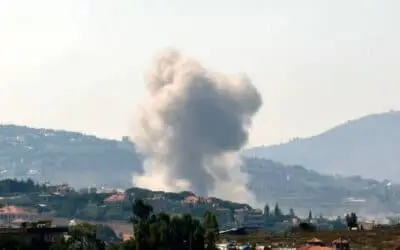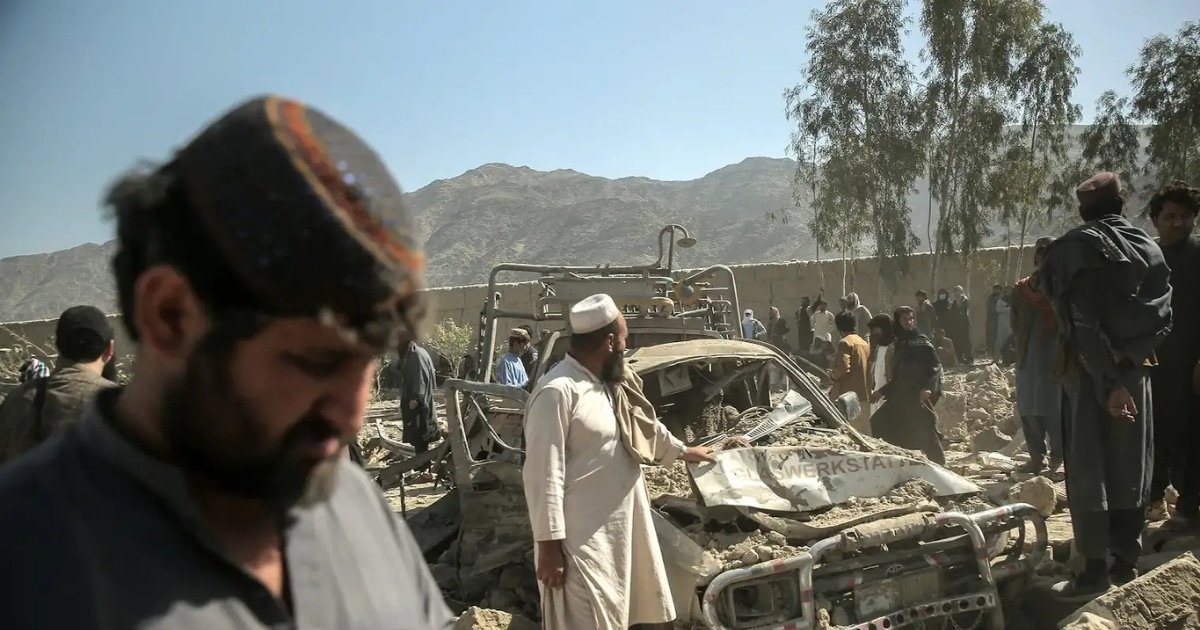
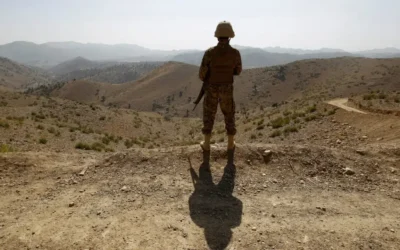




In a robust assertion of national defense, Pakistan carried out a series of high-precision, intelligence-based airstrikes on terrorist hideouts across the border in Afghanistan on Sunday. The operation, which reportedly neutralized over 80 militants, was a direct response to a surge in cross-border suicide bombings that targeted security personnel and civilians in Islamabad, Bajaur, and Bannu last week.
#Pakistani forces killed over 80 Taliban militants in strikes on TTP camps in Afghanistan, says officialhttps://t.co/oh8L1EKPAl pic.twitter.com/KoOtE2J3ke
— Arab News (@arabnews) February 23, 2026
Strategic Retribution: Operation Details
Government and security sources confirmed that the strikes targeted specific hubs utilized by Fitna al-Khawarij (TTP) and its affiliates.
-
Target Locations: The operation focused on seven distinct militant camps, including the New Centre No. 1 and No. 2 in Nangarhar, and the Maulvi Abbas Centre in Khost.
-
The “Khwarij” Network: Authorities emphasized that the targeted groups were directly linked to the handlers of recent suicide attacks, including the tragic VBIED ramming in Bannu that claimed the lives of Lt Col Shahzada Gul Faraz and Sepoy Karamat Shah.
-
Proportionate Response: Parliamentary Secretary for Information and Broadcasting, Barrister Danyal Chaudhry, stated that while Pakistan has always preferred dialogue, the continued use of Afghan soil as a “proxy sanctuary” left the state with no choice but to protect its citizens.
Press Release
21 February, 2026In the aftermath of recent suicide bombing incidents in Pakistan, including Imam Bargah at Islamabad, one each in Bajaur and Bannu followed by another incident today in Bannu during the holy month of Ramzan, Pakistan has conclusive evidence that…
— Ministry of Information & Broadcasting (@MoIB_Official) February 21, 2026
The “21-Group” Warning & Regional Stability
During a statement on Monday, Barrister Danyal Chaudhry highlighted the escalating threat level, citing a United Nations report indicating that militants from 21 different terror outfits are currently operating from Afghan territory.
-
India’s Role: Chaudhry specifically called out India for “actively funding and training” these networks to destabilize Pakistan, asserting that such elements “deserve no concessions.”
-
Dismantling Sanctuaries: The government urged the interim Afghan administration to honor the Doha Agreement and take decisive action to prevent its land from being used for international militancy.
National Unity: “One Nation, One Defense”
Khyber Pakhtunkhwa Governor Faisal Karim Kundi echoed these sentiments, noting that the resilient people of KP stand “shoulder to shoulder” with the armed forces.
-
Unwavering Support: Kundi emphasized that the sacrifices of the martyrs bind the nation together and that the state will “not allow our soil to be destabilized by forces operating from across the border.”
-
Vision Azm-e-Istehkam: The operation remains a core component of the “Azm-e-Istehkam” (Resolve for Stability) campaign, which aims for the complete eradication of terrorism through both kinetic and socio-economic measures.
The citizens of Pakistan, especially the resilient people of Khyber Pakhtunkhwa, stand firmly with our Armed Forces and security institutions in the defense of our homeland. We will not allow our soil to be destabilized by forces operating from across the border in #Afghanistan.… https://t.co/RA6cmDPPvJ
— Faisal Karim Kundi (@fkkundi) February 23, 2026
You May Like To Read: Supreme Court Tariff Ruling Stirs Uncertainty in U.S.-China Trade Relations
Check out our latest video: