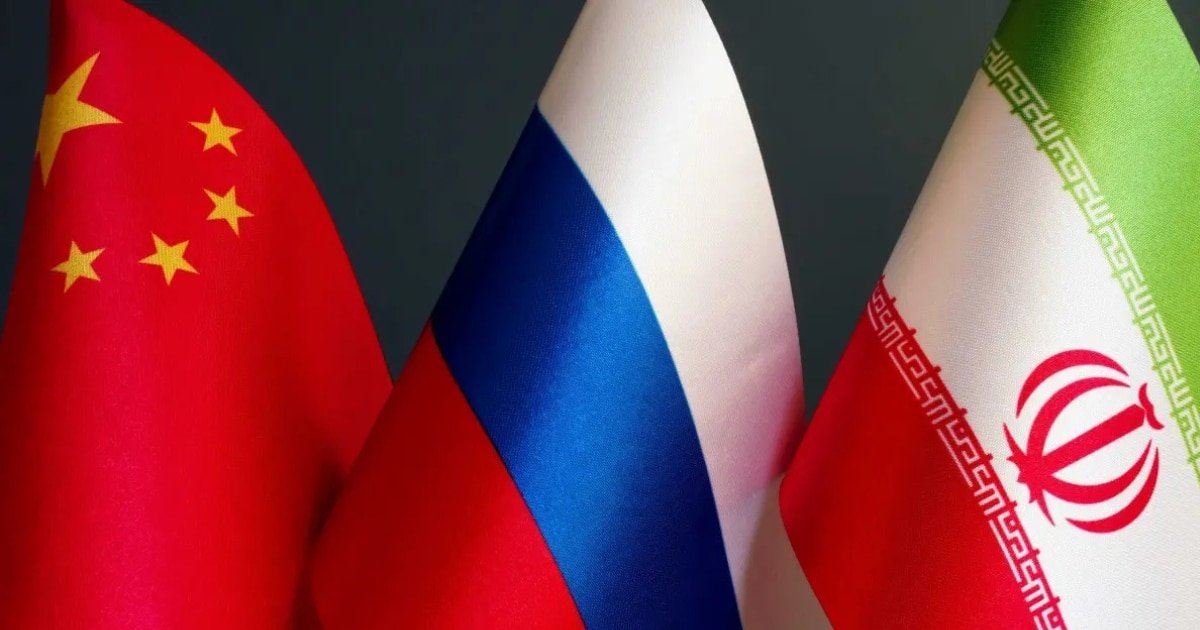





In a landmark shift for 21st-century international relations, the governments of Iran, China, and Russia have formally signed a Comprehensive Trilateral Strategic Pact. The agreement, described by officials as a cornerstone of a “new multipolar order,” marks a significant escalation in the coordination between the three powers across military, economic, and diplomatic spheres.
“In a dramatic geopolitical development this afternoon, Iran, China and Russia formally signed a comprehensive strategic pact, marking one of the most consequential shifts in 21st-century international relations. While the full text of the agreement is being released in stages by… pic.twitter.com/rffFT8WKSB
— Middle East Monitor (@MiddleEastMnt) January 29, 2026
A Unified Front Against Unilateralism
While the three nations have previously operated under bilateral agreements—including the Iran-Russia 20-year treaty of 2025 and the Iran-China 25-year cooperation agreement—today’s signing explicitly integrates the three powers into a single, coordinated framework.
The pact is defined by a joint commitment to “mutual respect, sovereign independence, and a rules-based international system that rejects unilateral coercion,” a direct challenge to the Western-led global architecture.
Strategic Buffers and Security Coordination
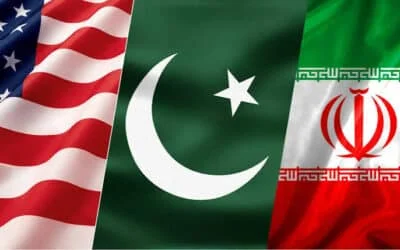
Crucially, the agreement addresses current tensions between the United States and Iran. As the U.S. maintains a major military contingent in the region, this pact serves as a strategic buffer. By presenting a united front, the trio aims to transition the regional dynamic from one of U.S. dominance to one of mutual constraint.
Key Strategic Features include
- Nuclear Sovereignty: A unified rejection of the “snapback” of UN sanctions related to the 2015 JCPOA.
- Defense Synergy: Enhanced intelligence sharing and coordinated defense planning, building upon previous joint naval drills in the Indian Ocean.
- Diplomatic Shield: Utilizing the combined veto power of two permanent UN Security Council members to protect Iranian interests from Western punitive measures.
Economic Integration and De-Dollarization
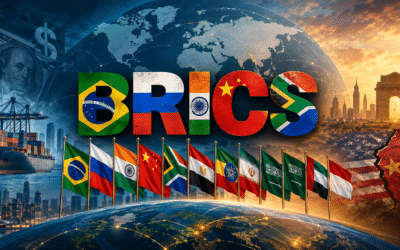
Economically, the pact accelerates the creation of non-Western financial mechanisms. By expanding trade routes and investment protection schemes, the three nations seek to further bypass the SWIFT system and reduce their vulnerability to the U.S. dollar-centric financial model. Iran, as a major energy producer, gains guaranteed access to the massive markets of China and Russia, effectively blunting the long-term impact of Western economic sanctions.
You May Like To Read: Trade Crisis: Pakistan’s Rice Exports Plunge as Trade Deficit Hits $19 Billion
Global Implications
The pact undercuts European diplomatic influence in the Middle East and complicates conventional deterrence strategies for the United States and its Gulf allies. Analysts suggest that any escalation with Iran now risks a broader strategic response involving both Beijing and Moscow, significantly increasing the threshold for regional conflict.
Check out our latest video: