




Pakistan’s maritime geography is a hidden powerhouse for national prosperity, stretching over 1,050 kilometers of coastline and encompassing a vast 290,000 square kilometers of Exclusive Economic Zone (EEZ) and an additional 50,000 square kilometers of continental shelf. This expanse, larger than several Pakistani provinces combined, is often called the “fifth province” of Pakistan due to its immense economic and strategic value. The nation’s maritime sovereignty, enshrined in the Pakistan Maritime Zones Act, grants it exclusive rights over marine resources, energy, and trade routes, positioning Pakistan as a crucial player in the Indian Ocean region.
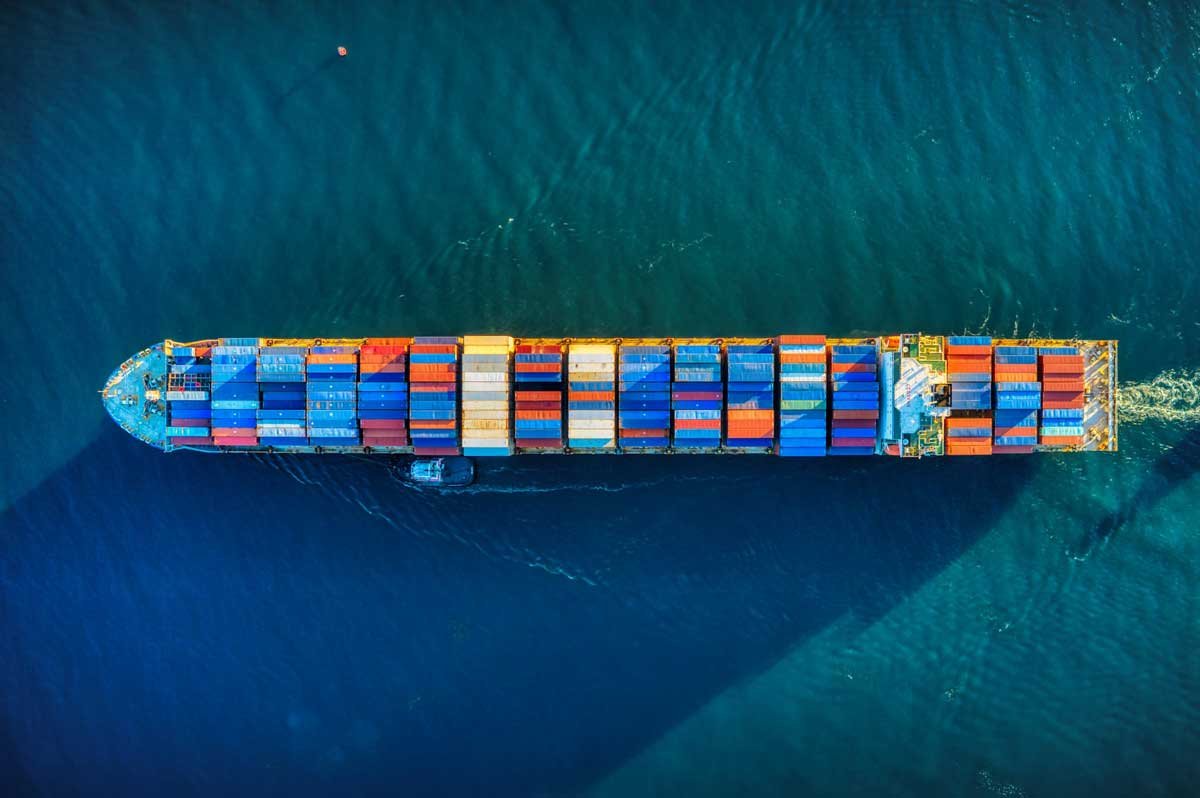
Additionally, this maritime space serves as a gateway for over 90% of the country’s trade, linking it to the global economy through critical sea lines of communication (SLOCs). Its proximity to the Strait of Hormuz, the Gulf of Oman, and emerging trade corridors under the China–Pakistan Economic Corridor (CPEC) further enhances Pakistan’s strategic maritime posture in the increasingly vital Indian Ocean region.
Despite this wealth, the maritime sector remains overshadowed by land-centric policies and public discourse, a condition often described as “sea blindness.” However, with growing recognition of the blue economy’s potential and the Pakistan Navy’s evolving role in maritime security and regional stability, a national pivot toward the sea is both timely and imperative.
The Blue Economy: Untapped Wealth
Seafood and Fisheries
Pakistan’s EEZ is rich in marine biodiversity, supporting a seafood industry valued at $2.5 to $3 billion annually. Seafood exports have surged to USD 300 million in early 2023, with increased frozen-fish exports to China valued at USD 63.3 m in 2022.
However, the sector remains underexploited due to outdated fishing practices, lack of modern infrastructure, and insufficient regulatory oversight. Recognizing this, the government has launched a 10-year National Fisheries and Aquaculture Policy (2025–2035) aimed at reviving the sector through technological modernization, sustainable management, and value-added processing. This policy envisions boosting seafood exports, creating jobs, and generating up to $10 billion in economic value, while also ensuring environmental and social safeguards. Energy Resources
Beyond fisheries, Pakistan’s maritime domain holds significant promise in marine renewable energy. The Indus Delta’s 17 major creeks offer tidal energy potential estimated at 900–1,100 MW. Offshore wind and wave energy projects could further diversify the national energy mix, though these opportunities have yet to be fully integrated into the country’s primary energy policy. Additionally, the seabed harbors untapped deposits of oil, gas, and minerals, particularly in the Indus and Makran offshore areas. The Murray Ridge, for instance, is noted for its potential in hard rock metallic minerals.
Blue Biotechnology and Marine Industries
The blue biotechnology sector leverages marine biodiversity to develop pharmaceuticals, dietary supplements, and bio-based products. Globally, this industry is projected to grow from $5.65 billion in 2024 to $10.54 billion by 2032, but Pakistan’s participation remains limited due to a lack of institutional support and innovation roadmaps. With the right ecosystem investment in research, vocational training, and private sector incentives, the blue economy could become a new engine for economic diversification and climate resilience.
International Trade Connectivity
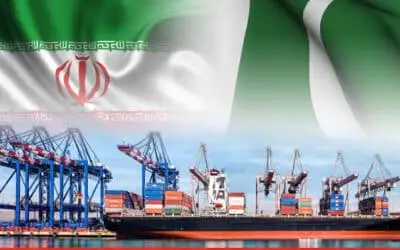
Pakistan’s coastal infrastructure, especially the deep-sea Gwadar Port, positions the country as a gateway for regional and global trade. Gwadar’s proximity to the Strait of Hormuz, through which 40% of the world’s oil passes, makes it a strategic node for energy and cargo transit. As the crown jewel of the China-Pakistan Economic Corridor (CPEC), Gwadar is envisioned to transform into a vibrant trade hub, connecting Pakistan with Central Asia, the Middle East, and beyond. Pakistan’s seaborne trade (over 90% of external trade) routes through Karachi, Port Qasim, and the newly developed Gwadar Port.
The Pakistan Navy: Guardian of Maritime Interests
Source: chinadaily
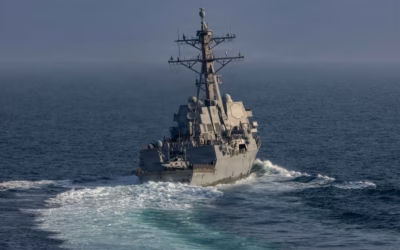
The Pakistan Navy serves as the nation’s foremost line of defense across its vast maritime domain, playing a critical role not only in protecting territorial waters but also in securing the broader economic and strategic interests tied to the sea. As the principal maritime security force, the Navy is entrusted with defending Pakistan’s sovereignty, maintaining the integrity of its Exclusive Economic Zone (EEZ), and ensuring the safe passage of commercial vessels through vital Sea Lanes of Communication (SLOCs). These trade routes are essential for the country’s economic stability, facilitating the movement of goods, energy supplies, and exports that sustain Pakistan’s industrial and consumer sectors.
Beyond traditional naval warfare, the Navy’s mission has evolved to meet contemporary security challenges. It actively counters a wide range of maritime threats, including piracy, maritime terrorism, arms and drug smuggling, and illegal fishing. These non-traditional threats pose significant risks not only to Pakistan but also to the broader Indian Ocean region. In response, the Navy participates in international coalitions such as the Combined Maritime Forces (CMF), reinforcing its commitment to global maritime safety and cooperative security. These efforts contribute to regional stability and demonstrate Pakistan’s role as a responsible stakeholder in maintaining open and secure sea lines.
Moreover, the Navy has invested significantly in enhancing Maritime Domain Awareness (MDA). Through a robust combination of advanced surveillance technologies, maritime patrol aircraft, frigates, corvettes, and submarines, it monitors and controls maritime activity within and beyond Pakistan’s coastal waters. This high-level situational awareness enables rapid threat detection, interdiction of illicit operations, and proactive defense posture across both littoral and deep-sea zones. In securing the maritime domain, the Pakistan Navy not only safeguards national interests but also reinforces strategic deterrence, fosters regional collaboration, and ensures that Pakistan’s maritime frontier remains both secure and economically viable.
Securing CPEC and Gwadar Port
Gwadar Port is not only an economic asset but also a strategic linchpin in Pakistan’s regional ambitions. The Navy plays a pivotal role in protecting this infrastructure, especially as CPEC projects attract international attention and investment. Security challenges; ranging from terrorism to foreign interference, necessitate a robust naval presence and specialized security forces. Pakistan has established a 15,000 member security force dedicated to CPEC, complemented by advanced naval deployments to safeguard maritime approaches and critical installations.
Under CPEC and COPHC’s direction, the port is expanding with nine additional berths, ship dredging from 11.5 m to 14 m, then 20 m, a floating LNG terminal, desalination plant, and expressway, aimed at handling 300–400 million tons annually. CPEC’s maritime pillar aims to boost connectivity, integrating Gwadar with Gwadar–Kashgar pipeline, rail, road, and eventually linking to Central Asia, while generating trade revenues, jobs, and customs duties . In Feb 2025, China pledged to further develop Gwadar and invite investment in offshore oil and gas.
Challenges and the Way Forward
Despite the immense promise of Pakistan’s maritime resources, the development of its blue economy is significantly constrained by a range of structural and operational challenges. One of the most pressing issues is the absence of a coherent national maritime policy framework. Governance of the blue economy remains fragmented across multiple ministries and agencies, leading to overlapping mandates, regulatory bottlenecks, and weak enforcement mechanisms. This lack of institutional cohesion hampers strategic planning, efficient management of marine resources, and long-term investment in the sector.
Another major obstacle is the underdeveloped state of maritime and coastal infrastructure. Pakistan’s ports, although strategically located, lag behind global standards in terms of technology, dredging capacity, cargo handling, and integrated logistics. The value-added maritime industries; such as shipbuilding, seafood processing, marine tourism, and aquaculture have received minimal attention and lack the necessary industrial ecosystems to become globally competitive. Without substantial public and private investment, these segments will remain underutilized.
Environmental vulnerability further exacerbates these challenges. Coastal regions in Sindh and Balochistan are increasingly exposed to climate-induced threats such as rising sea levels, coastal erosion, salinization of agricultural lands, and extreme weather events. These threats not only undermine the livelihoods of coastal communities but also put vital infrastructure and biodiversity at risk. Addressing these issues will require climate-resilient development strategies that integrate environmental safeguards into all maritime planning and construction.
A key constraint also lies in the deficit of human capital within the blue economy. There is a glaring shortage of trained professionals, seafarers, marine scientists, oceanographers, and vocational workers with expertise in ship maintenance, offshore drilling, aquaculture, and port logistics. Bridging this skills gap will require a focused national effort in maritime education, technical training, and research and development. Without nurturing a skilled workforce, Pakistan will be unable to fully harness the socioeconomic benefits of its vast marine domain.
To overcome these challenges and unlock the full potential of the blue economy, Pakistan must adopt a multi-pronged and integrated approach. Foremost, it must develop and implement a unified national maritime policy, supported by institutional reforms that consolidate authority and streamline governance across ministries and agencies.
Investments must be channeled into coastal infrastructure, port modernization, and industrial value chains to enhance economic efficiency and attract international stakeholders. Equally important is the need for sustainable resource management and robust environmental protections. Policies must prioritize ecosystem conservation, responsible fishing practices, and the promotion of renewable marine energy to ensure long-term viability.
The Pakistan Navy and PMSA should be further empowered with modern surveillance tools and strategic assets to secure maritime borders, enforce regulatory compliance, and protect economic interests in the country’s Exclusive Economic Zone (EEZ). Finally, the government must foster dynamic public-private partnerships and engage in regional and international collaborations to access technological expertise, funding, and knowledge exchange. This includes working with development banks, maritime nations, and research institutions to elevate Pakistan’s capacity in marine science, disaster preparedness, and blue innovation. Only through coordinated action, visionary leadership, and cross-sectoral engagement can Pakistan transform its maritime domain into a resilient engine of national prosperity.
Conclusion
Pakistan’s maritime sovereignty is a wellspring of economic opportunity, strategic leverage, and national security. By harnessing the blue economy through sustainable fisheries, energy innovation, marine biotechnology, and enhanced trade connectivity and by empowering the Pakistan Navy to secure these national interests the country can chart a path toward long-term prosperity, regional influence, and environmental resilience. The convergence of economic vision and naval strength is not just a matter of defense, but a cornerstone of Pakistan’s future in the evolving global maritime order.
As climate challenges intensify and global trade increasingly depends on secure sea routes, nations with strong maritime capabilities will shape the contours of economic and geopolitical power. Pakistan, with its vast untapped ocean wealth and strategic coastal location, stands at a critical juncture. Realizing this potential requires bold policy shifts, sustained investment, and the full integration of maritime affairs into national development agendas. The ocean is no longer a peripheral frontier, it is central to Pakistan’s security, economy, and sovereignty in the 21st century.