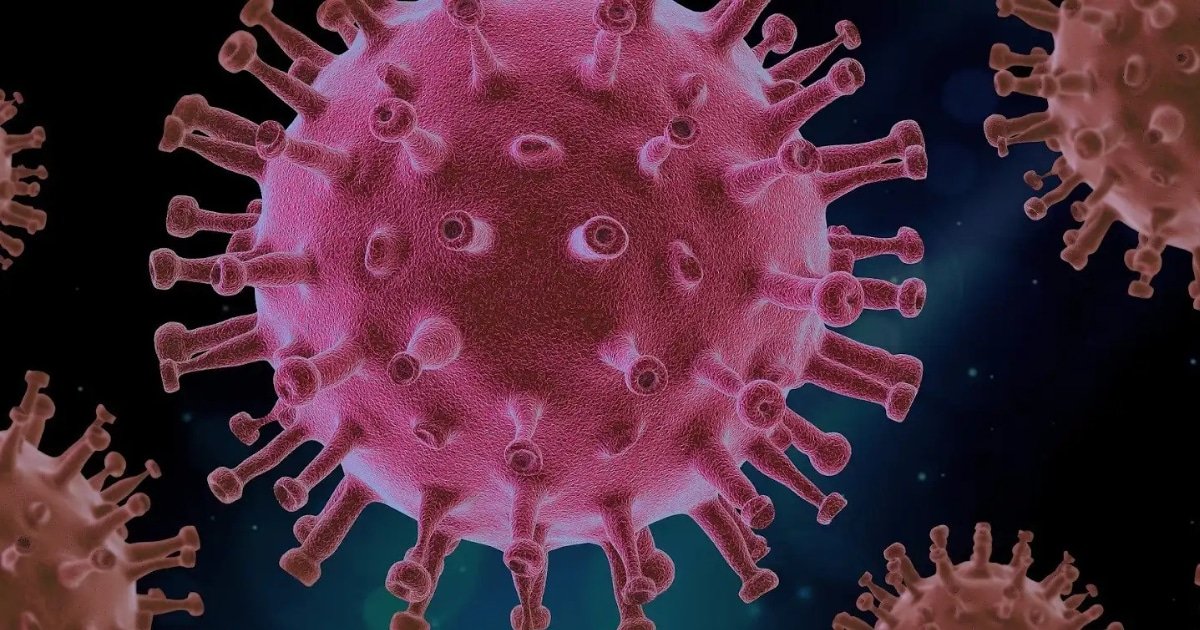





Health authorities across Asia have escalated surveillance and screening protocols following the confirmation of two cases of the deadly Nipah virus (NiV) in India’s West Bengal state.
Current Situation in West Bengal
The Indian Ministry of Health confirmed that two healthcare workers in West Bengal tested positive for the virus in December. In a rapid response, 196 primary contacts were traced and monitored; all have since tested negative and remain asymptomatic. While Indian officials state the situation is under constant monitoring, the high fatality rate of the virus has prompted immediate international precautions.
India’s One Health approach strengthens preparedness against Nipah virus by integrating human, animal and environmental health surveillance.
The strategy focuses on early detection, safe food practices, infection prevention, and timely care to reduce transmission risks.… pic.twitter.com/AMmsTaScNn
— Ministry of Health (@MoHFW_INDIA) January 18, 2026
Regional Containment and Screening Measures
In response to the outbreak, several neighboring countries have implemented strict border and transit controls:
- Thailand: The Department of Disease Control has initiated health screenings for all passengers arriving from West Bengal at three major international airports in Bangkok and Phuket. Travelers are now required to submit health declarations. Additionally, stricter screenings are in place at natural tourist attractions.
- Nepal: Authorities have commenced health screenings at Kathmandu’s international airport and at various land border crossings with India.
- Taiwan: Health officials have proposed classifying the Nipah virus as a “Category 5 disease,” a designation reserved for rare or emerging infections that pose a significant public health risk and require immediate reporting.
About the Nipah Virus
The Nipah virus is a zoonotic pathogen transmitted from animals (primarily fruit bats and pigs) to humans. It can also spread through contaminated food or direct person-to-person contact.
Breaking News: World is on Alert.
Reports are emerging from India of a highly dangerous Virus with a kill rate of 75% which is far deadlier than anything previously seen.
Nipah Virus is spread by fruit bats who can transmit the virus to people via contact with infected bodily… pic.twitter.com/uslARIzmnq
— Jim Ferguson (@JimFergusonUK) September 16, 2023
Key Facts
- High Fatality Rate: Estimated between 40% and 75%.
- Priority Pathogen: Classified by the WHO as a top ten priority disease due to its epidemic potential.
- Symptoms: Initial symptoms include fever, headache, muscle pain, and sore throat, which can progress to dizziness, altered consciousness, pneumonia, and fatal encephalitis (brain inflammation).
- Treatment: Currently, there is no approved vaccine or specific drug treatment for Nipah virus infection. Supportive care remains the primary medical intervention.
Historical Context
This is not the first time the region has faced Nipah. Following its discovery in Malaysia in 1998, West Bengal reported outbreaks in 2001 and 2007. More recently, the Indian state of Kerala has managed outbreaks in 2018 and 2023. Bangladesh has also recorded over 100 deaths since 2001.
You May Like To Read: Scientists Just Revealed that Human Brain Processes Language Like AI Models
Public Health Recommendations
Authorities advise citizens in affected and high-risk areas to avoid contact with sick pigs or bats and to refrain from consuming raw date palm sap or fruits that may have been contaminated by bats. Travelers from West Bengal are urged to self-monitor for symptoms for at least 14 days and report to medical facilities immediately if they feel unwell.
Check out our latest video: