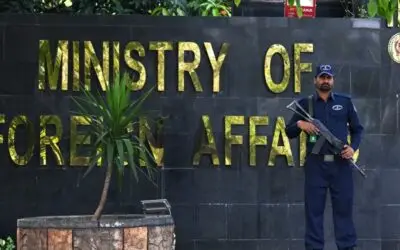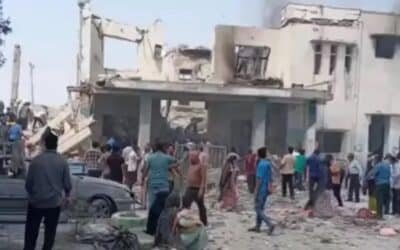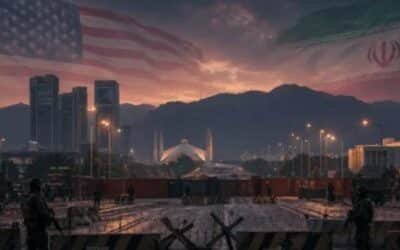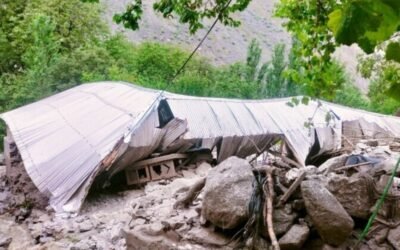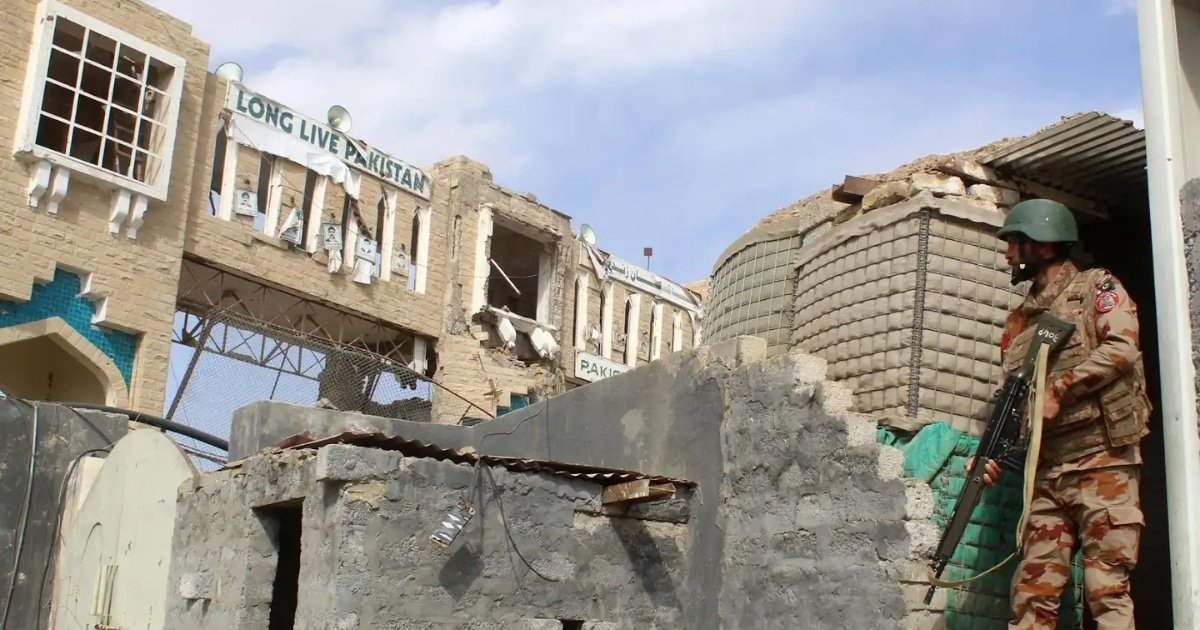





Afghanistan and Pakistan are once again locked in a dangerous cycle of violence, with airstrikes, ground operations, and drone attacks raising fears of a wider conflict. Pakistan says it is targeting militant groups responsible for deadly attacks on its soil,
#Spotlight: Afghanistan and Pakistan tensions deepen as fresh explosions, followed by successive gunfire, were heard in central Kabul. The Afghan government claimed that Afghan forces were shooting at a fresh incursion by Pakistani aircraft. pic.twitter.com/WbbrJM8zkG
— Firstpost (@firstpost) March 3, 2026
while Afghanistan’s Taliban government accuses Islamabad of violating its sovereignty and killing civilians. With both sides trading blame and diplomacy failing to hold, tensions along the border are escalating fast. As military power, politics, and militant groups collide, ordinary people on both sides are paying the price.
A Dispute Over Militants
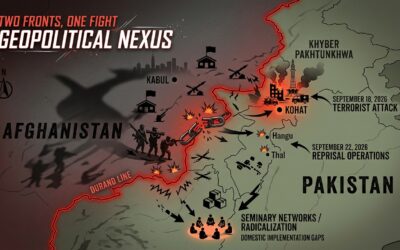
The latest fighting began after Pakistan launched airstrikes in Kabul and other Afghan provinces, including Kandahar. Islamabad says it targeted hideouts of the Tehreek-i-Taliban Pakistan (TTP), also known as the Pakistani Taliban. Pakistan blames the TTP for a series of deadly attacks, including a recent suicide bombing in Islamabad that killed more than 30 people.
Afghanistan’s Taliban government denies supporting the TTP. It says Pakistan’s strikes killed civilians and violated Afghan territory. The Taliban claim their own cross-border attacks were retaliation for earlier Pakistani airstrikes that reportedly killed 13 civilians, according to the United Nations.
Failed Talks and Rising Tensions
Tensions between Afghanistan and Pakistan have been building for months. A serious flare-up in October 2025 led to mediation efforts by Qatar and Turkey, with talks held in Doha and Istanbul. A fragile ceasefire followed, but it did not last. Trade between the two countries has remained closed since then, hurting businesses and limiting access to essential goods, including medicines.
You May Like To Read: Nicki Minaj Loses Second Lawyer in $10M Defamation Case
Military Imbalance and Civilian Impact
Pakistan has a far stronger military, with advanced aircraft and heavy weapons. Afghanistan’s Taliban forces rely more on guerrilla tactics and drones. While they cannot carry out deep airstrikes inside Pakistan, their experience in unconventional warfare makes the conflict unpredictable.
For ordinary Afghans, who have endured decades of war, the renewed violence has shattered a brief period of relative calm. With limited independent reporting from border areas, it remains unclear how far this latest escalation will go.
Check out our latest video: